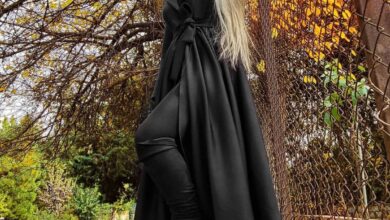
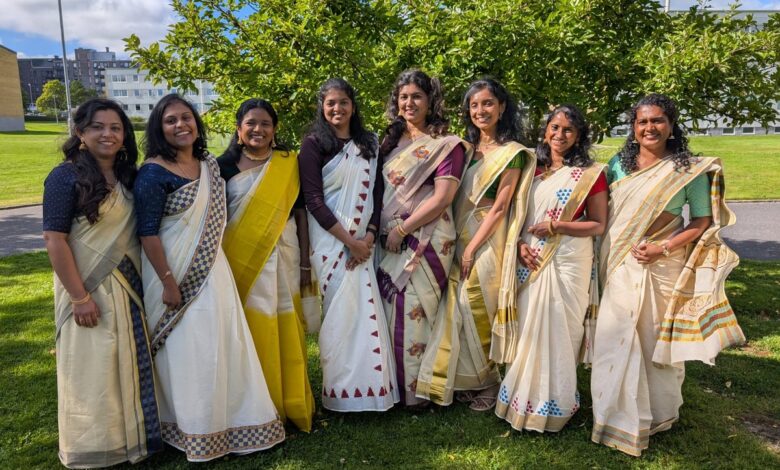
Sharad Purnima falls on Sunday, October 25 this year, bringing the brightest full moon of the autumn and the night Goddess Lakshmi is believed to walk the earth. It is Kojagari Lakshmi Puja in Bengal, Odisha and Assam, Kumar Purnima in Odisha, and Raas Purnima in Braj, and every name belongs to the same mood: white, ivory, silver and moonlight. This is the one festival where the colour rule is written by tradition itself, with many households holding that black is best avoided and white, the symbol of purity, worn instead. Unlike the reds of Dussehra or the jewel tones of Diwali, your palette here is the colour of the moon.
The six looks below follow the night as it actually unfolds, from the evening Lakshmi puja and the kheer set out under the open sky, to the all-night vigil and the family gathering after. There is a white saree with a gold border that never fails, an ivory drape for younger readers, a plain white saree for the devout hours, and western moonlight frames for the dinner that follows. If you are still shaping your festive wardrobe, Navratri outfit ideas for nine nights of dandiya, Dussehra outfit ideas for a victorious festive day and Karva Chauth outfit ideas keep the festive run going later in the month.
1. The White and Gold Kerala-Style Saree for Kojagari Night
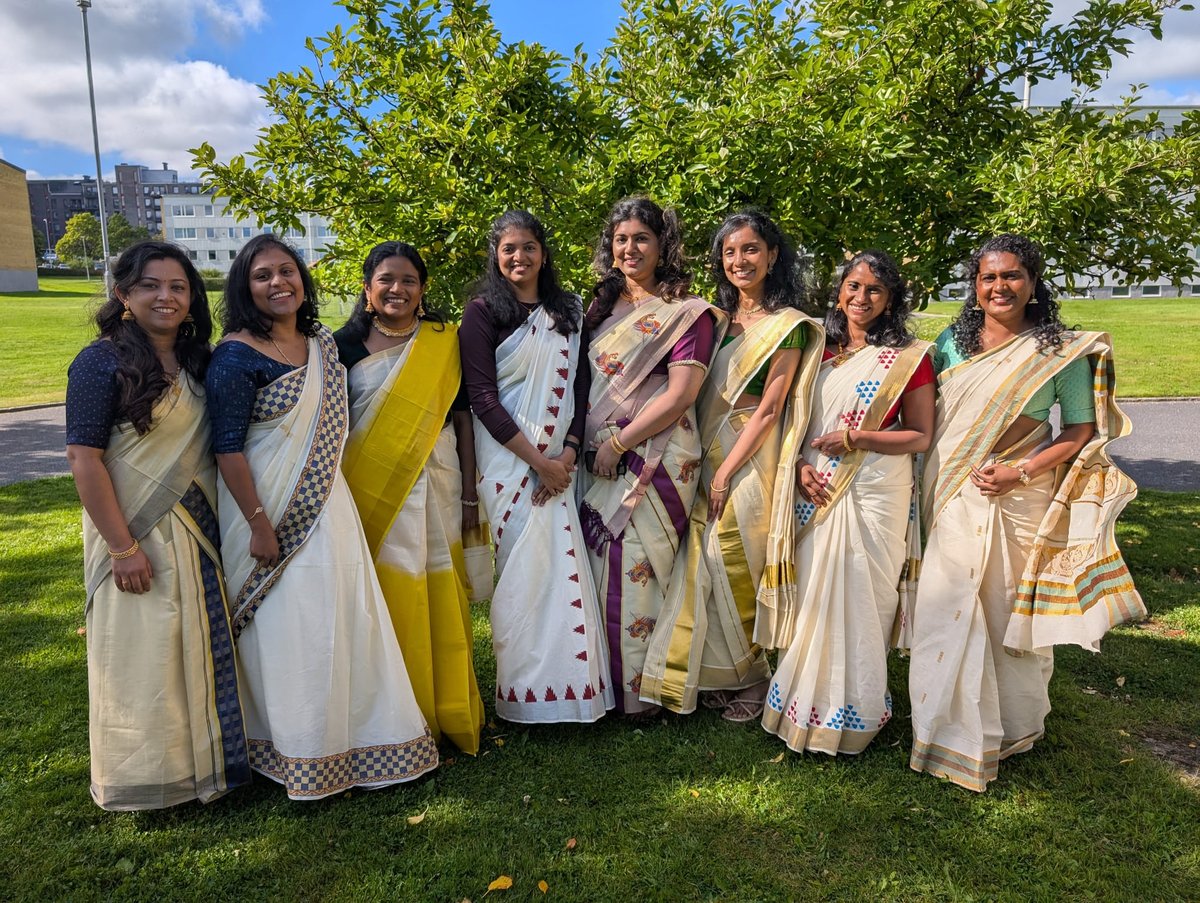
Photo credit: Netha Hussain via Wikimedia Commons (CC0)
The white saree with a gold border is the closest thing Kojagari night has to a uniform, and this group of eight women shows why it never fails. White carries purity and the moon, gold carries Lakshmi’s blessing, and together they photograph with a calm glow that heavier festive colours cannot match under lamplight. Choose a cotton-silk or soft handloom that stays comfortable through the long evening of puja, and let the border do the work: with a gold zari edge this wide, you need only small gold studs and a thin bangle, not a full jewellery set. If your family gathers for the puja, agree on the white-and-gold palette the way these women have, and the group reads as one celebration. The principle: on Kojagari night, let white carry the purity and gold carry the prayer.
2. The Ivory Traditional Drape for the New-Clothes Moment
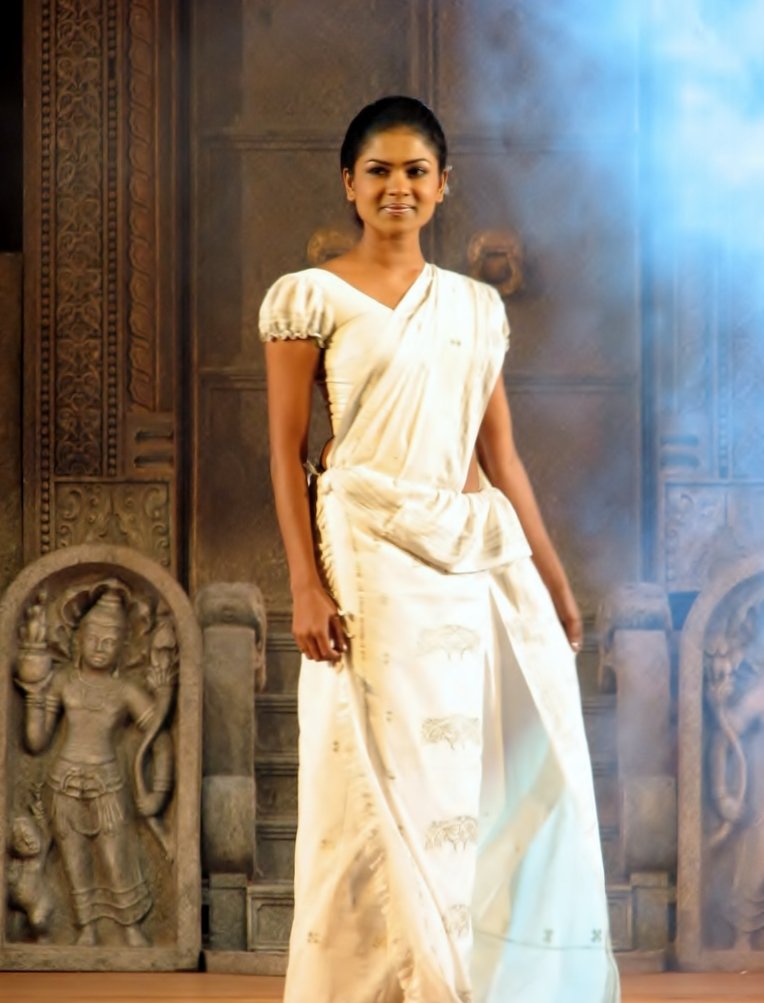
Photo credit: Anuradha Ratnaweera via Wikimedia Commons (CC BY-SA 2.0)
In Odisha, Kumar Purnima is a new-clothes day, and it belongs especially to the young. An ivory traditional drape with subtle woven motifs is the right answer for it: paler than white, softer than gold, and quietly festive without borrowing anyone’s wedding look. The puff-sleeved blouse in this frame keeps the look youthful and modest at once, and it is a silhouette worth copying, because a structured sleeve lifts a simple ivory drape the way embroidery would. Keep jewellery to almost nothing, a small pair of studs and your watch, since ivory’s whole point is restraint. Ivory flatters every skin tone and photographs softly in diya light, which matters on a night built around lamps. The principle: when the festival is about new beginnings, choose a new ivory drape and let the weave be the only detail.
3. The White Gown for a Moonlit Dinner

Photo credit: Georges Biard via Wikimedia Commons (CC BY-SA 3.0)
After the puja comes the gathering, and on Sharad Purnima that gathering often moves outdoors under the full moon. A white gown is the western answer to this hour: it catches moonlight the way no colour can, and a ruffled skirt moves beautifully in the night air. This frame is honest about its register, so take it as dinner inspiration rather than a puja outfit, and keep the styling minimal, silver accessories rather than gold, hair pinned up so the neckline reads clean. Carry a light wrap or stole, because October nights cool fast once the lamps are out. The contrast of a modern gown against a traditional festival night is exactly what makes it memorable in photographs. The principle: for the moonlit dinner after the rituals, wear the lightest white you own and let the moon do the lighting.
4. The White Lace Dress for the Evening Outdoors

Photo credit: Nenad Stojkovic via Wikimedia Commons (CC BY 2.0)
The signature ritual of Sharad Purnima is kheer set out under the open sky, eaten after the moon has risen, which means part of this festival genuinely happens outdoors. A white lace midi dress with a knotted side is made for that hour: lace reads like moonlight on fabric, the knot gives the silhouette shape without any ornament, and a midi hem keeps you comfortable moving between the terrace and the kitchen. This is not the outfit for the puja itself, and that is the point, so plan the change deliberately, with a light shawl for when the night turns cool. Keep footwear simple, since the outdoor hour is about ease. The principle: dress the outdoor hour separately from the puja, and white lace will always read as moonlight.
5. The Plain White Saree for the All-Night Vigil
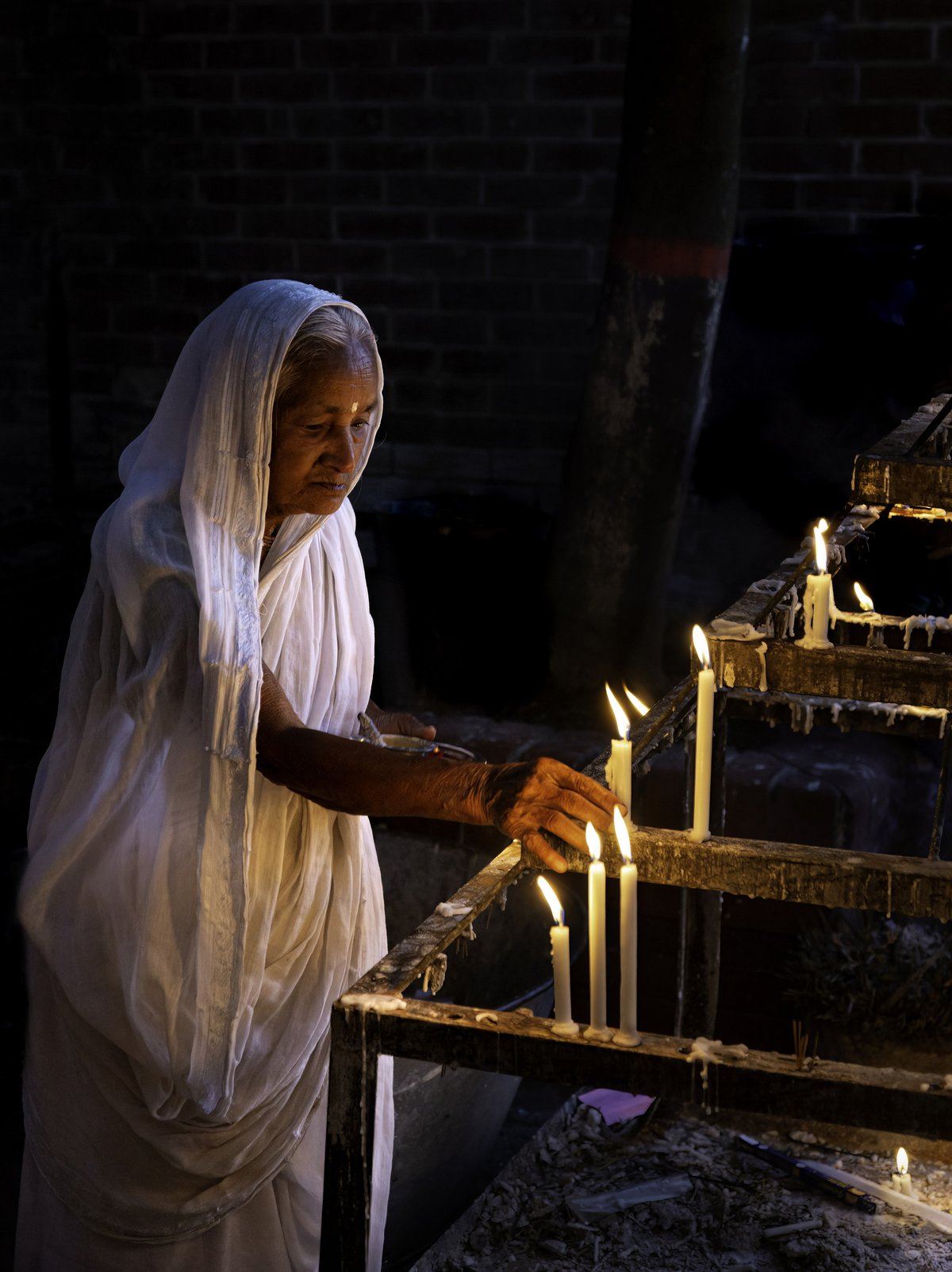
Photo credit: Masumcity via Wikimedia Commons (CC BY-SA 4.0)
Kojagari comes from “ko jagarti”, who is awake, because tradition holds that Lakshmi visits the earth on this night and blesses those who stay awake to receive her. For the women who keep that vigil, lighting lamps through the dark hours, the correct outfit is the simplest white cotton saree, head covered, no jewellery at all. This frame shows the dignity of that choice: plain white, unadorned, entirely about devotion rather than display. Choose a soft cotton that drapes close and stays put through hours of sitting and standing, and skip anything that will distract you, heavy borders, pins that pull, bangles that clink. This is also the look for the eldest women of the family, for whom comfort and grace matter most. The principle: for the vigil hours, strip the outfit back to plain white and let the lamps be the ornament.
6. The White and Gold Bridal Look for the Newlywed’s First Kojagari
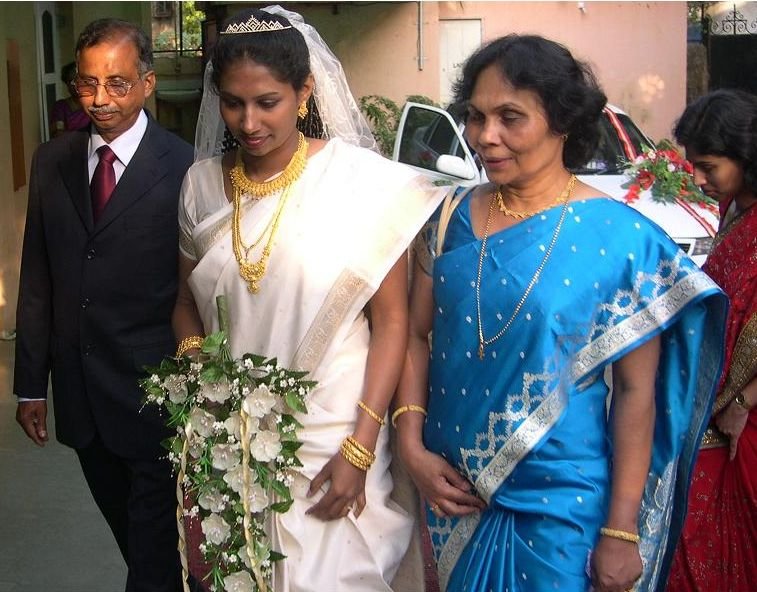
Photo credit: Joe Zachs via Wikimedia Commons (CC BY 2.0)
In Mithila and across the east, Sharad Purnima is a festival for newlyweds, with kheer prepared and shared in the new couple’s home and prayers said for their fortune, health and wealth. A first Kojagari after marriage earns wedding-day gold, and this frame shows the register honestly: a white saree with layered gold necklaces, gold bangles, and white flowers. The saree stays white for the moon while the gold does the celebrating, and that balance is the whole styling rule. If you are the newlywed, this is the one night of the year to bring out the wedding jewellery with a white drape instead of a red one. Keep the blouse simple and let the necklaces sit over the pallu. The principle: a newlywed’s first Kojagari earns wedding-day gold, but the saree stays white for the moon.
Final Thoughts
Sharad Purnima dressing asks for restraint rather than display. Keep the palette moonlit, white, ivory and silver, and spend your effort on fabric and fit instead of colour. Wear the bordered white saree for the puja, change nothing for the kheer under the moon, keep a shawl ready for the late hours, and let the vigil look be the plainest white you own. Match the look to the hour in front of you rather than wearing one outfit through the whole night. One night a year, the moon is the jewellery. Dress to stand under it.
Frequently Asked Questions
When is Sharad Purnima in 2026?
Sharad Purnima falls on Sunday, October 25, 2026, with the purnima tithi running from around midday on October 25 into the morning of October 26, and Kojagari Lakshmi worship held through that night.
What should you wear on Sharad Purnima?
White or ivory, the colours of the full moon and of purity. Many households traditionally avoid black on this day, and a white saree with a gold or silver border is the classic festive choice, kept minimal in jewellery.
What is Kojagari Lakshmi Puja?
It is the night worship of Goddess Lakshmi on Sharad Purnima, observed especially in Bengal, Odisha and Assam. The name comes from “ko jagarti”, meaning who is awake, because it is believed that Lakshmi visits the earth that night and blesses those who stay awake to receive her.
What food is associated with Sharad Purnima?
Kheer, rice pudding, is the signature dish of the night. In most regions it is prepared in the evening and set out under the moonlight for a time before being eaten, linking the meal directly to the full moon.