Equestrian style is galloping back into fashion for autumn 2026. On the fall runways, riding codes showed up everywhere — trousers tucked into tall boots, structured coats with a military-cut shoulder, and leather goods that trace their DNA to the saddle room. The good news is that you do not need a horse to wear it. Borrowed smartly, the equestrian wardrobe is simply great autumn dressing: tailored, weather-ready, and quietly luxurious.
Below are twelve outfit ideas that translate the riding habit into a modern autumn wardrobe. Some draw on archival portraits and museum pieces for inspiration; others work from pieces you already own. Each one pairs a verified inspiration image with a wearable styling formula, so you can take the polish of the stable yard straight into your week. Think of this as your field guide to the season’s most confident trend.
The Full Riding Habit, Reworked for the Street
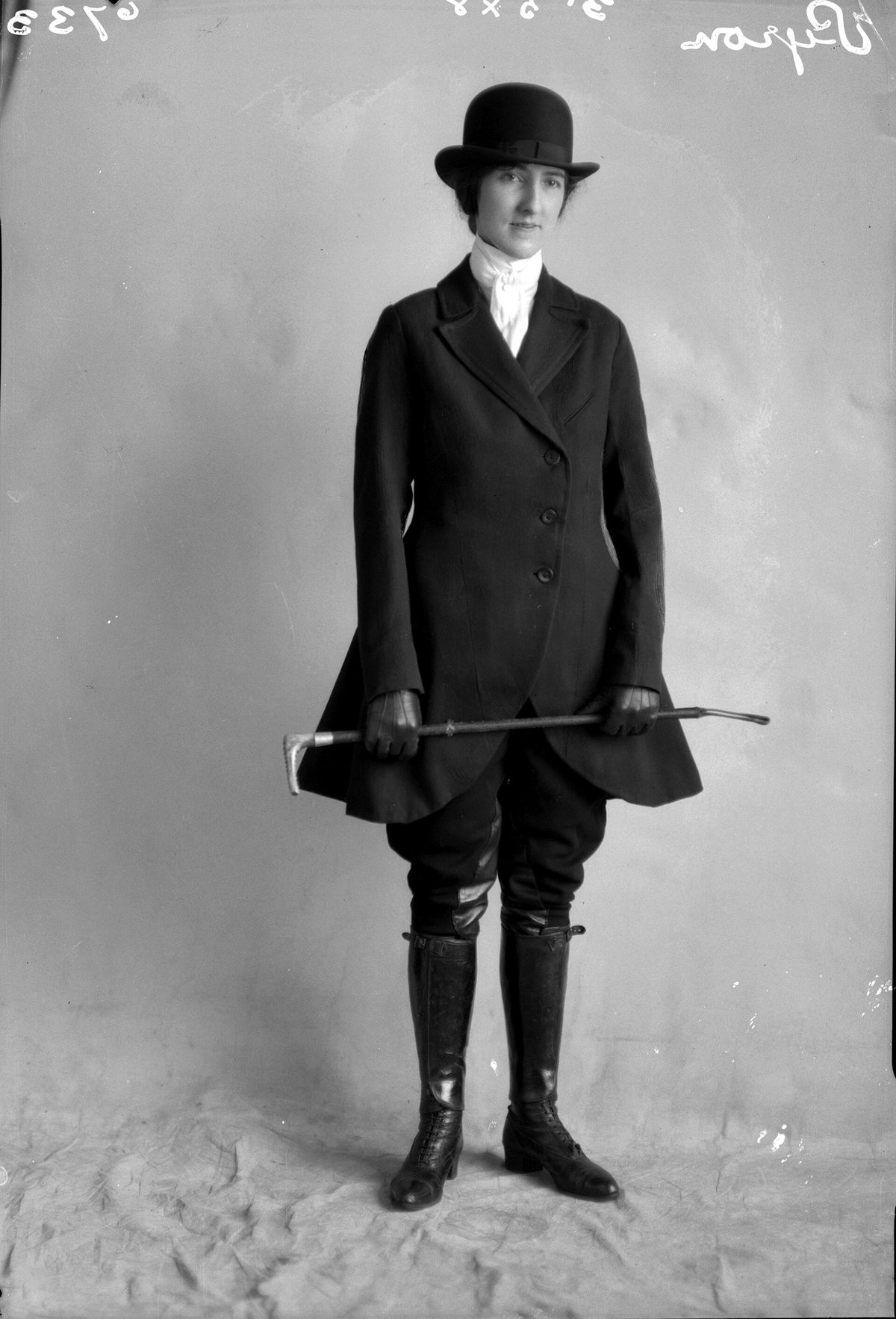
Photo credit: Provincial Archives of Alberta via Wikimedia Commons (No known copyright restrictions, Flickr Commons)
The classic riding habit is a masterclass in proportion: a long, nipped-in coat over slim breeches and tall boots, finished with a crisp white stock at the throat. For autumn, translate it directly. A knee-length tailored wool coat in black or charcoal over slim black trousers gives you the same long line, and knee-high leather boots complete the silhouette. Add a white silk scarf tied at the neck instead of the stock — it keeps the contrast at the throat without the costume feel. A bowler or a structured felt hat is the optional flourish for days you want the full effect. If you are new to blazer outfits for winter, this is the same tailoring instinct, just longer. The principle: match the coat to the boot and let the crisp white neckline be the one contrast point.
The Tailored Horse-Show Coat
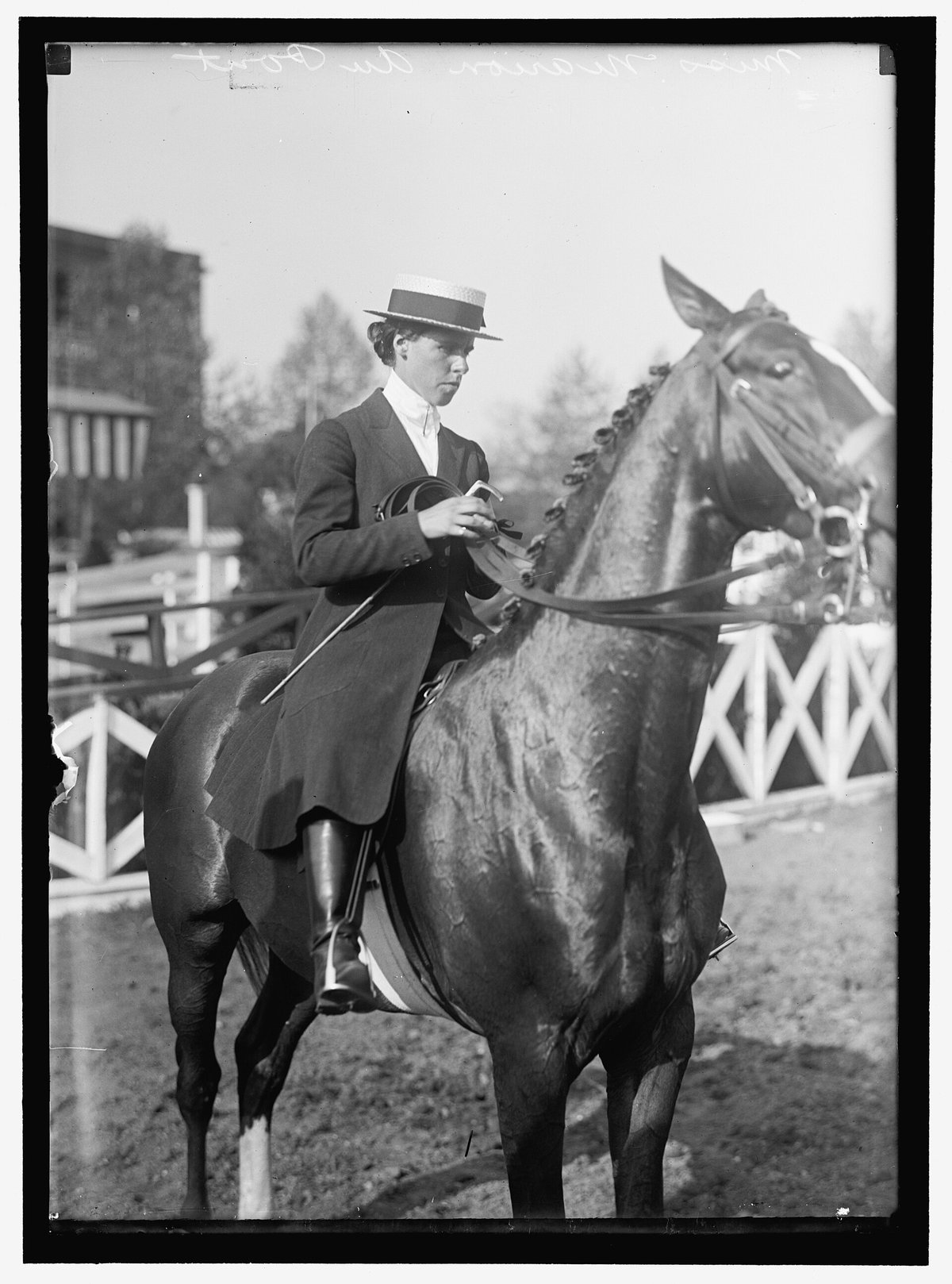
Photo credit: Harris & Ewing via Wikimedia Commons (Public domain)
The horse-show coat is all about a razor-sharp single-breasted cut, and it is the easiest riding reference to wear to work. Look for a fitted jacket in dark wool with a defined shoulder and a single vent at the back — the vent is what keeps it from feeling like an ordinary blazer. Wear it over a white collared shirt and slim dark trousers, and swap the breeches for tailored ankle-length pants in the same tone. Gloves, even thin leather ones, push the look into deliberate territory rather than accidental. Keep jewelry minimal: one pair of gold studs is enough against this much tailoring. The principle: a back vent and a defined shoulder are what separate a riding coat from a regular blazer.
The Country Ride Coat
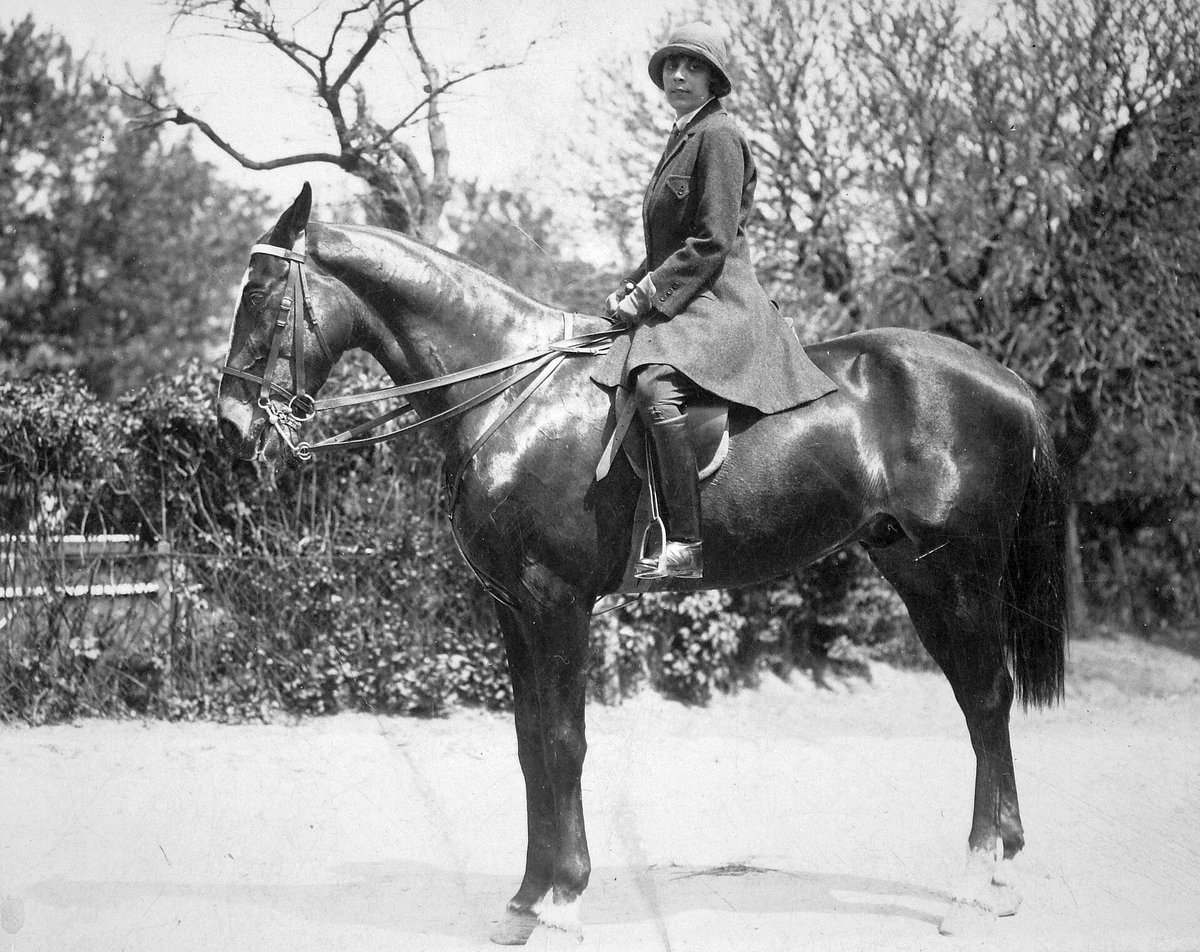
Photo credit: Fortepan via Wikimedia Commons (CC BY-SA 3.0)
This is equestrian style at its most autumnal: a slightly relaxed riding coat worn outdoors against bare trees, with the whole palette running to dark wool and leather. Recreate it with a knee-length tweed or herringbone coat over dark jeans or corduroys, and tall flat boots in brown or black. The texture does the talking here, so keep the base layer simple — a cream or oatmeal knit works beautifully against a dark patterned coat. A felt bowler or a flat cap nods to the image without trying too hard. This is the weekend version of the trend: countryside polish that handles a city park just as well as a country lane. The principle: mix one heritage pattern with two plain dark pieces and the texture becomes the outfit.
The Buttoned Victorian Riding Jacket
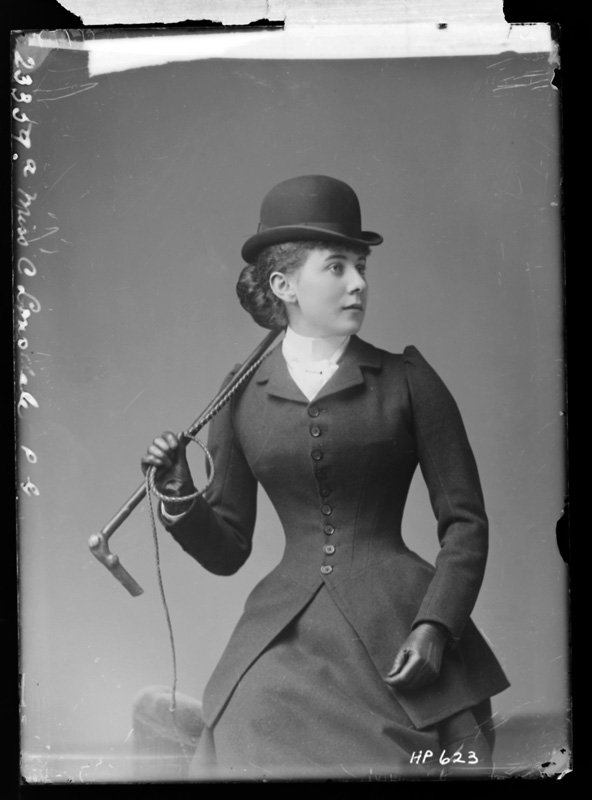
Photo credit: Public Record Office of Northern Ireland via Wikimedia Commons (No known copyright restrictions, Flickr Commons)
The buttoned Victorian riding jacket is the ancestor of the cropped blazer, and its lesson is fit. The bodice is cut close through the waist with a row of buttons down the front, which creates an hourglass even in heavy wool. For your autumn wardrobe, look for a short fitted jacket — cropped or waist-length — with visible buttons, worn over a high-waisted skirt or slim trousers. The bowler in the portrait is optional, but a sleek low ponytail or a neat bun gives the same tidy finish around the face. Because the jacket is structured, balance it with something soft underneath, like a fine-gauge knit or a silk camisole. The principle: visible buttons and a nipped waist turn a plain jacket into a riding-habit heir.
The Black Riding Jacket and Top Hat
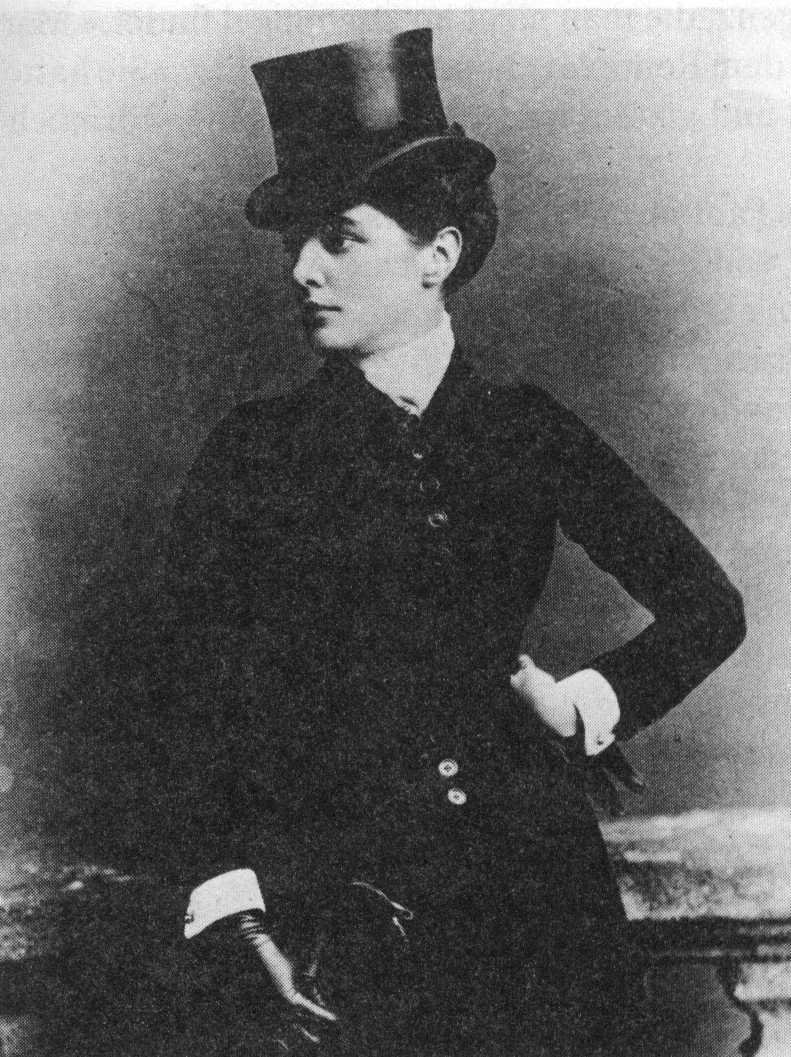
Photo credit: Unknown author via Wikimedia Commons (Public domain)
Notice the white collar and cuffs flashing against the black jacket — this is the portrait’s real styling secret. It is contrast trimming, and it translates beautifully to evening. A black tailored jacket with white shirt cuffs and a white collar peeking out gives you the same crisp graphic edge, and it reads as intentional rather than formal. Skip the top hat on the street; instead, try a slim black headband or a simple black hair ribbon for a nod to the silhouette. For evenings, swap trousers for a black midi skirt and heeled ankle boots, and let the white cuffs be your jewelry. The principle: one crisp white detail against black tailoring is worth more than a whole box of accessories.
The Buttoned Habit Dress
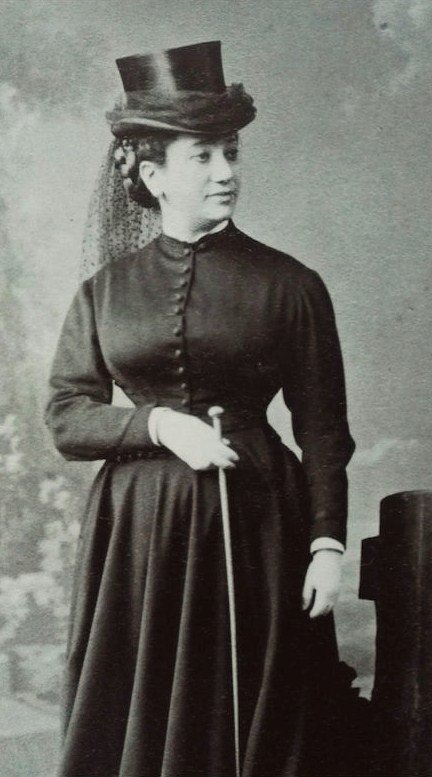
Photo credit: Unknown photographer via Wikimedia Commons (Public domain)
The 1860s riding habit was a dress before it was a sport uniform, and its fitted bodice with a full skirt is a silhouette worth reviving. For autumn, a long-sleeved button-front shirt dress in dark wool or ponte hits the same note — fitted through the bodice, skimming over the hips, and long enough to wear with tall boots. Choose dark tones: black, espresso, or deep forest. The top hat stays in the portrait, but a wide black headband or a beret gives the same period-poise feeling. Add opaque tights and knee-high boots, and you have a one-piece outfit that needs nothing more than a structured handbag. The principle: a button-front dress with tall boots is the simplest equestrian formula in this whole guide.
The Cream Blazer and Tall Boots
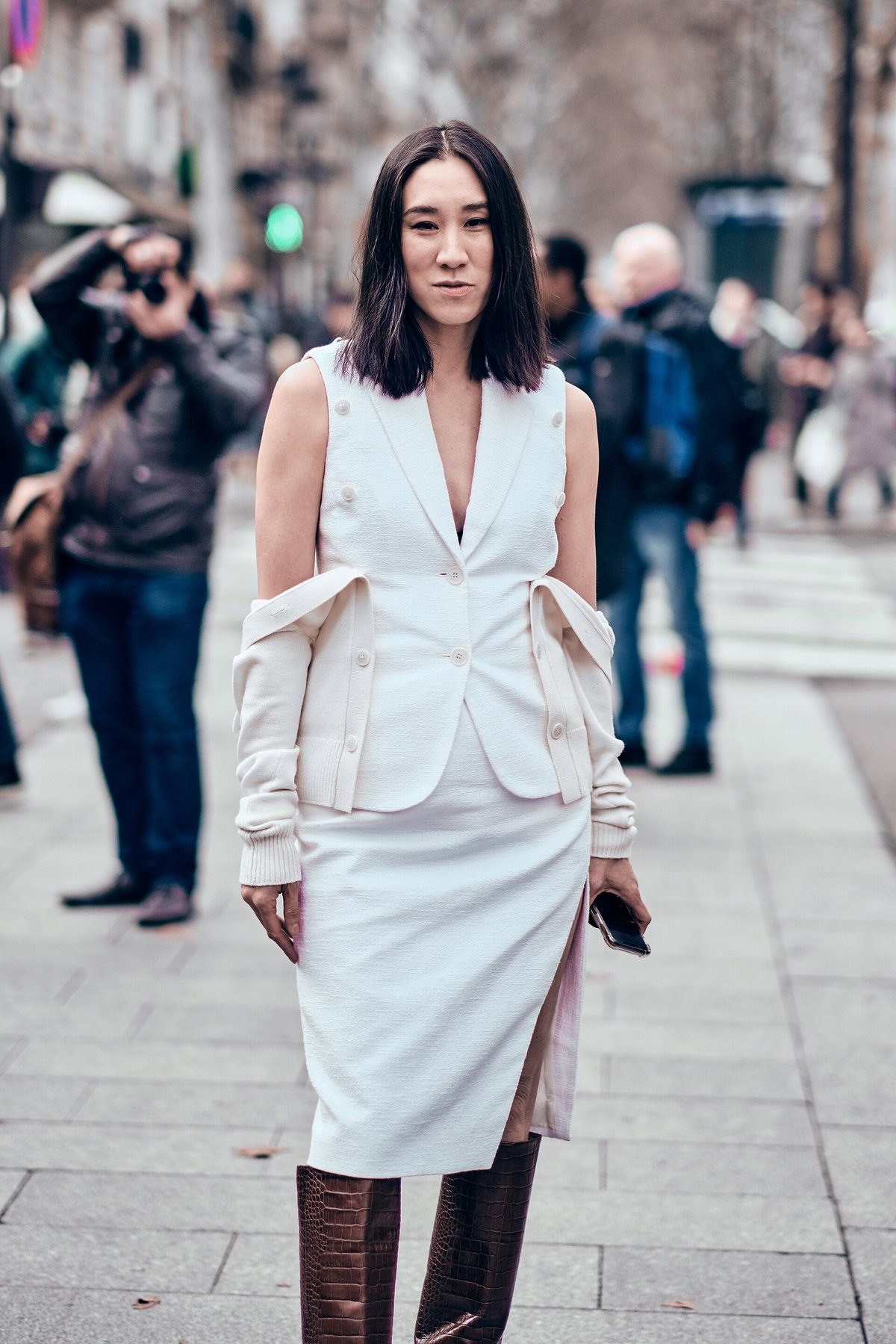
Photo credit: Myles Kalus via Wikimedia Commons (CC BY-SA 4.0)
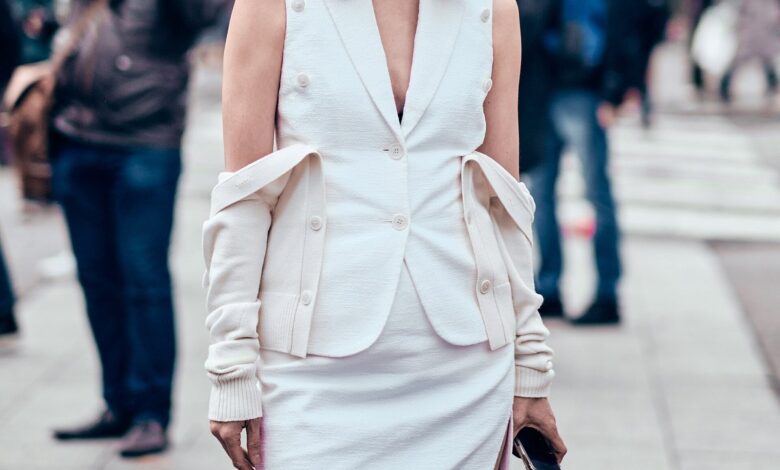
This is the most modern image on the list and the closest to how the trend is worn right now. A sleeveless cream blazer over a white slit skirt is softened and grounded by tall brown boots with croc embossing — the boots are doing all the equestrian work. Steal the formula: pale, tailored separates up top and one rich leather statement below. It works equally well with a cream sweater vest and a tan pleated midi skirt, or a white shirtdress and chocolate knee-high boots. The croc or lizard embossing is worth copying, because textured leather reads more expensive than smooth leather at the same price point. Keep the bag small and structured. The principle: let one pair of statement boots carry a whole pale outfit.
The Stable Boot Lineup
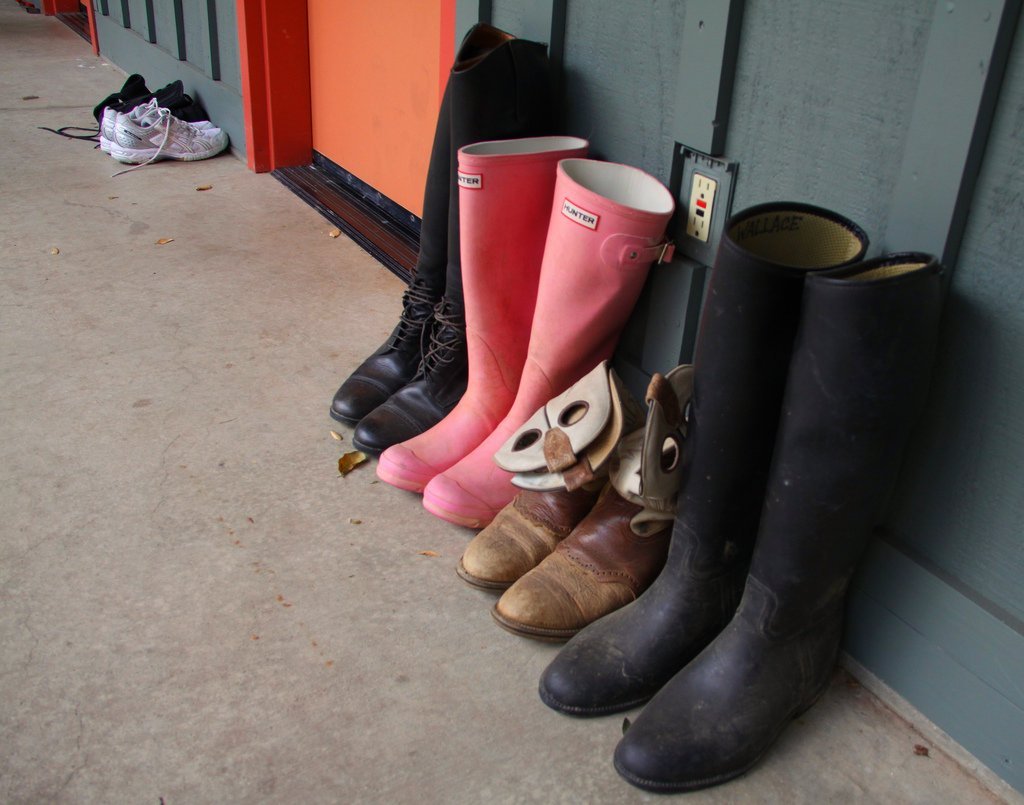
Photo credit: Isadora Taft via Wikimedia Commons (CC BY-SA 2.0)
This row of boots by a stable door is a whole autumn shoe strategy in one frame. The lineup tells you everything: black lace-up riding boots for polish, brown lace-ups for everyday wear, and rubber wellingtons for the days the weather turns. Build your own rotation the same way — one polished tall boot, one broken-in everyday pair, and one weatherproof option. The brown lace-ups are the most versatile of the three, working with jeans, skirts, and dresses alike. Keep the tall boots clean and conditioned so the leather stays supple; cracked leather ruins the equestrian effect faster than anything else. If you want more inspiration for building around leather pieces, the site’s leather outfit ideas roundup goes deeper. The principle: three boots in a rotation always beat one expensive pair worn every day.
The Velvet Embroidered Statement Coat
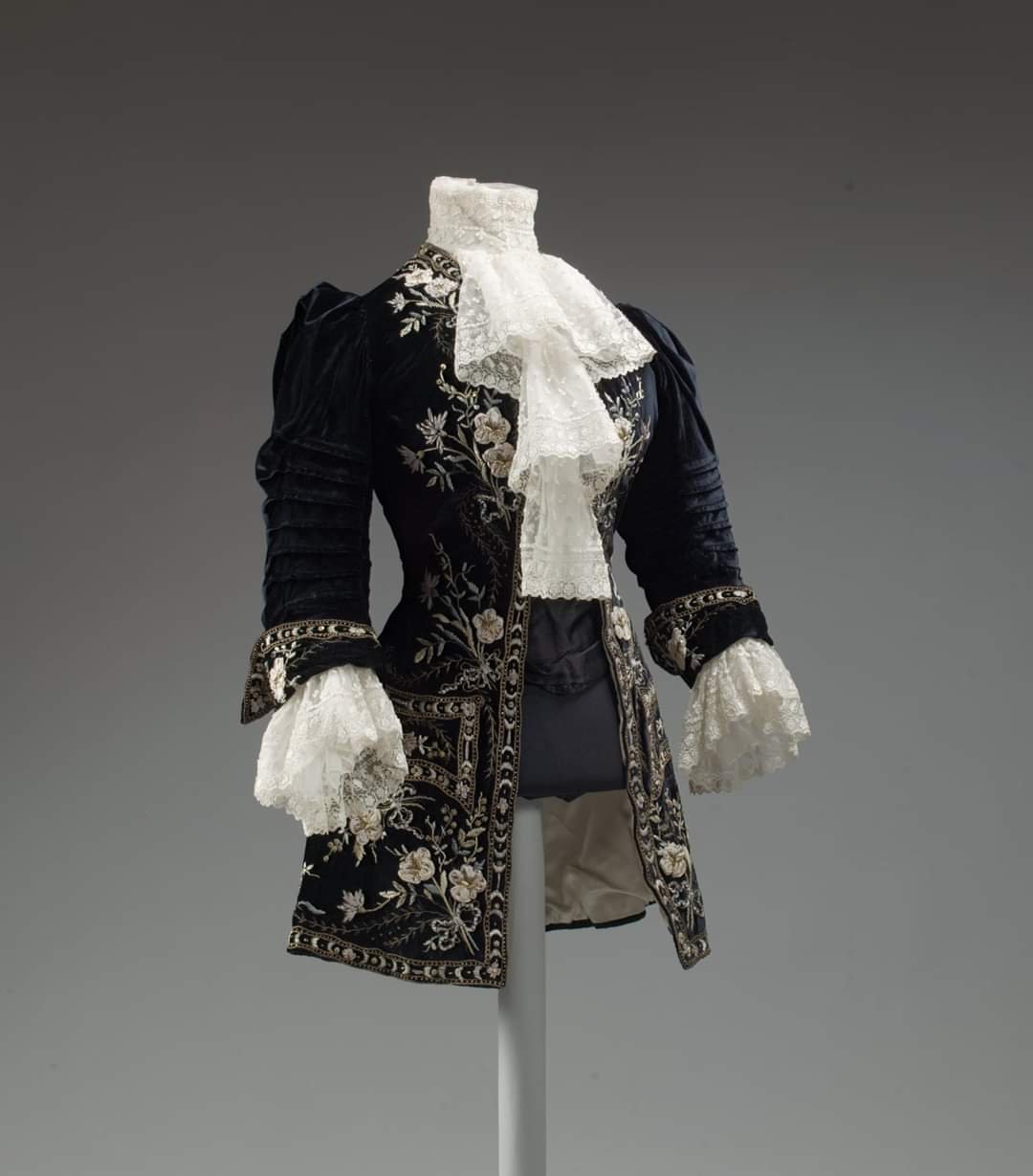
Photo credit: The MET Museum via Wikimedia Commons (CC0)
This eighteenth-century riding coat from the Met’s collection proves that equestrian dressing was never just about the field — the embroidery and lace stock make it evening wear. Take the lesson, not the literal garment: a velvet blazer or a velvet-trimmed coat in black or deep green gives you the same richness for autumn evenings. Velvet catches light the way no other autumn fabric does, so wear it where you will be seen — dinners, openings, festive nights out. Keep the rest of the outfit simple and dark so the texture is the event, and add a white lace or ruffled collar detail if you want to echo the stock. Pair it with the warm burnt orange and rust tones the site covers elsewhere, which complement velvet’s depth. The principle: one velvet piece turns an ordinary autumn evening into an occasion.
The Autumn Hunt Palette
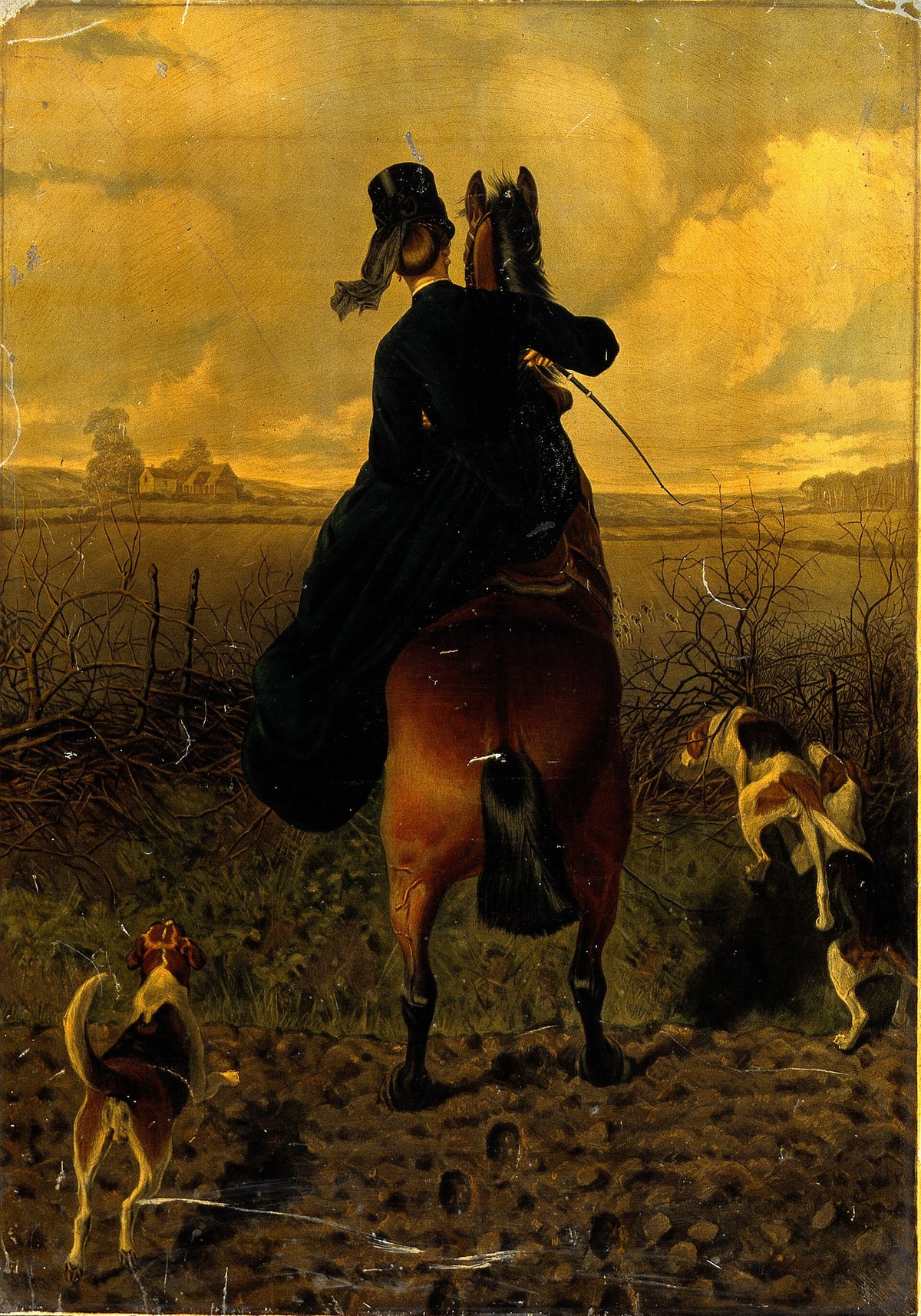
Photo credit: Wellcome Collection via Wikimedia Commons (CC BY 4.0)
Look past the rider and study the palette: golden ochre, chestnut brown, deep green, and black. That is the autumn hunt color story, and it is the easiest equestrian lesson of all. Build outfits from exactly these four colors and everything in your closet starts to coordinate — a chestnut knit with dark green trousers, a golden scarf with a black coat, brown boots under everything. The print’s golden sky is your reminder to let one warm, glowing tone into every outfit, even if it is only a scarf or a bag. This is also the palette that photographs best in autumn light, so it is worth leaning into for the season. The principle: dress in ochre, chestnut, deep green and black, and you will never clash with autumn itself.
The Tall Boot, Season Anchor
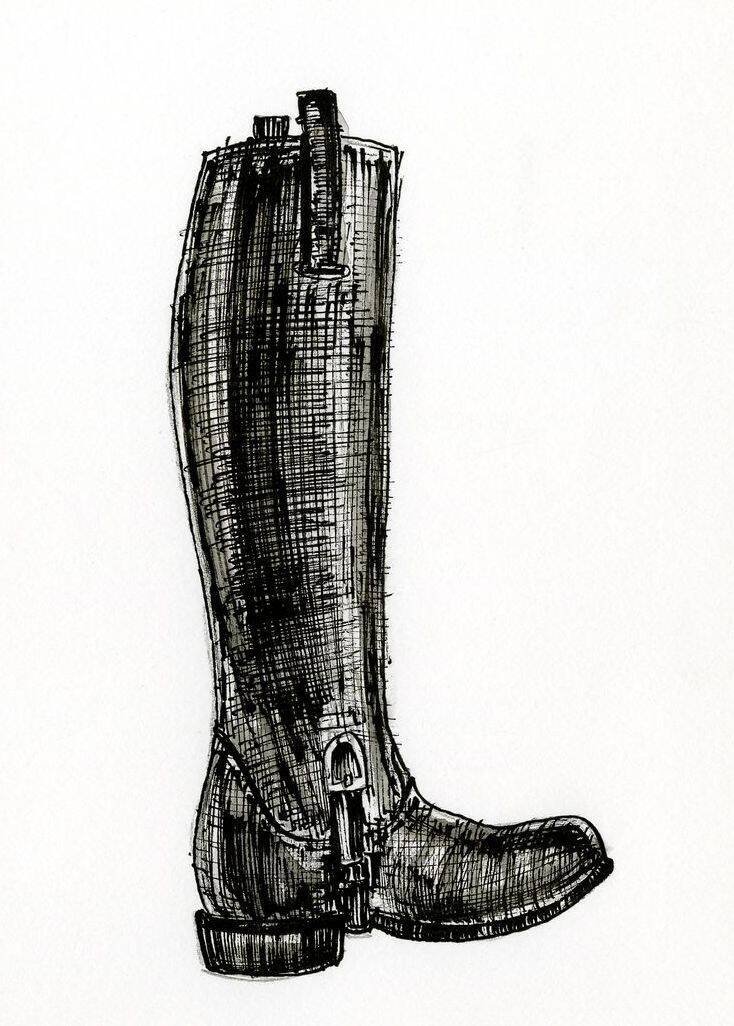
Photo credit: David Ring via Wikimedia Commons (CC0)
A single tall riding boot, drawn in ink, makes the case for the most important purchase of the season. Study the details before you buy: a straight shaft that sits close to the calf, a low stacked heel, minimal hardware, and leather that will age rather than peel. Fit matters more than brand — a boot that gaps at the calf reads sloppy no matter what it cost. When trying pairs on, sit down as well as stand; the shaft should not cut into the back of your knee. Once you have the right pair, it anchors everything from mini skirts to midi dresses to tucked-in trousers for the whole of autumn and winter. The principle: buy the boot with the cleanest line and the best calf fit, not the loudest logo.
The Sidesaddle Brown Habit
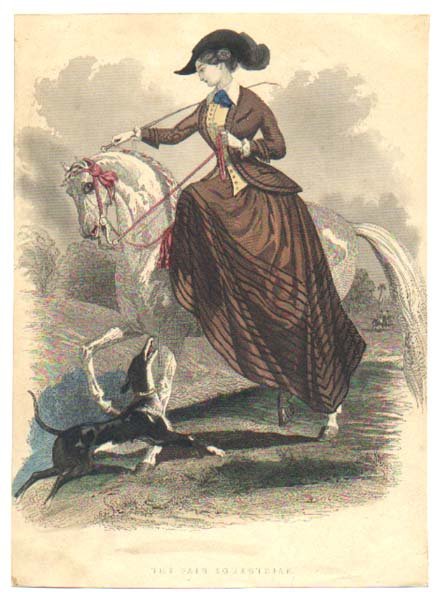
Photo credit: Unknown author via Wikimedia Commons (Public domain)
This 1847 fashion plate offers two styling details worth stealing: the rich brown habit, and the small blue bow tie at the throat. Brown is the unsung hero of autumn wardrobes — warmer than black, more interesting than navy, and it flatters nearly every skin tone. Try a brown tailored blazer or a brown wool midi skirt as your season anchor, and copy the bow tie with a slim neck scarf in navy or burgundy tied in a small bow. The combination of brown and one small contrasting neck detail is quietly striking, and it works for the office as well as for weekends. Keep the rest of the outfit in the brown family — tan, cognac, espresso — for a tonal look that feels expensive. The principle: brown is autumn’s most flattering neutral, and a small neck detail makes it deliberate.
Final Thoughts
Equestrian style endures because it was designed around real life: weather, movement, and looking polished without looking precious. That is exactly what an autumn wardrobe needs to do. Start with the pieces that do the most work — the tall boots, one tailored coat, a white shirt that flashes at the collar — and let the heritage details accumulate over the season.
You do not need to ride to wear any of this. You only need to borrow the discipline: clean lines, honest materials, and one considered detail per outfit. Do that, and your autumn wardrobe will have the same quiet confidence as the riders in these portraits.
Frequently Asked Questions
How do I wear equestrian style without looking like I am heading to the stables?
Keep the references to one or two per outfit. A tailored coat with tall boots reads as fashion; adding breeches, a crop, and a stock reads as costume. Choose the civilian versions — trousers instead of breeches, a silk scarf instead of a stock — and the look stays firmly on the street.
What boots work best for an equestrian-inspired autumn outfit?
Tall knee-high boots in black or brown leather with a low stacked heel are the cornerstone. The shaft should sit close to the calf without gaping, and the simpler the design, the more outfits it will anchor. A second pair of lace-up boots in brown covers the casual days.
Which colors define equestrian autumn dressing?
Black, white, and cream form the classic base, with chestnut brown, deep green, and golden ochre providing the autumn warmth. Navy works as a softer alternative to black. Keep outfits to three of these tones at most so the palette stays coherent.
Can equestrian style work for evening outfits?
Yes. Swap the daytime pieces for richer materials: a velvet blazer instead of a wool coat, a white lace or ruffled collar in place of the stock, and heeled ankle boots instead of flat riding boots. The tailoring keeps it polished while the texture does the evening work.