Karva Chauth falls on October 29 this year, and your outfit has to work harder than almost any other festive look. You wear it from the morning sargi through a full day of fasting, the afternoon katha, and the evening puja, right up to the moment the moon rises and you take that first sip of water. That means the winning outfit is never just the heaviest or the shiniest one in your wardrobe. It is the one that still feels graceful at hour twelve, photographs beautifully in lamplight, and lets you sit on the floor, hold a thali, and move around your home with ease.
Red remains the heart of Karva Chauth dressing because it stands for love, prosperity, and the married state, and this season the strongest looks build around it with texture rather than excess weight. Think velvet, bandhani, silk, and gold embroidery in rich but wearable doses, with maroon, rani pink, and even emerald green as modern alternatives. If you are planning the rest of your festive wardrobe too, the colour stories in these Navratri outfit ideas for nine nights of dandiya and these Diwali outfit ideas for a festive glow pair naturally with the looks below, and the styling rules behind these red outfit ideas for winter apply here as well.
1. The Red Velvet Lehenga with Gold Embroidery
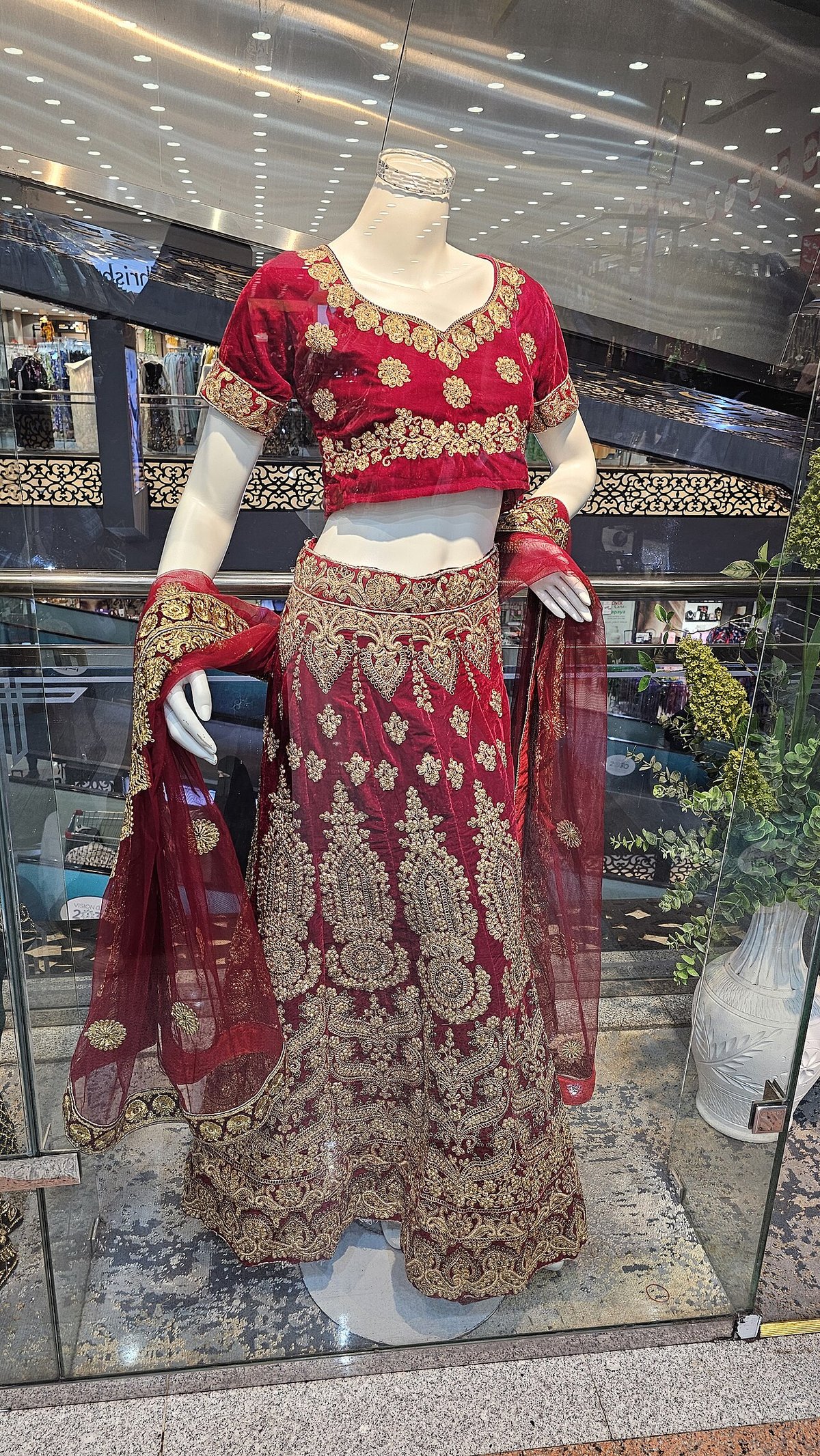
Photo credit: Iwaqarhashmi via Wikimedia Commons (CC BY-SA 4.0)
A red velvet lehenga is the most regal way to open your Karva Chauth wardrobe, and this version shows exactly why. The velvet choli carries dense gold embroidery across the neckline and sleeves, while the skirt spreads into wide gold motifs that catch the light every time you turn. Velvet gives you richness without a single sequin, which makes it kind to lamplight and to photographs. Because the fabric itself is warm and structured, you can keep your jewellery calm: one gold necklace, matching earrings, and a sheer dupatta pinned at one shoulder so your hands stay free for the thali. Choose a skirt with a soft lining so the weight sits on your waist, not your patience. The principle: let one fabric carry all the luxury, and keep every other element quiet.
2. The Deep Red Bridal Suit with a Sheer Dupatta
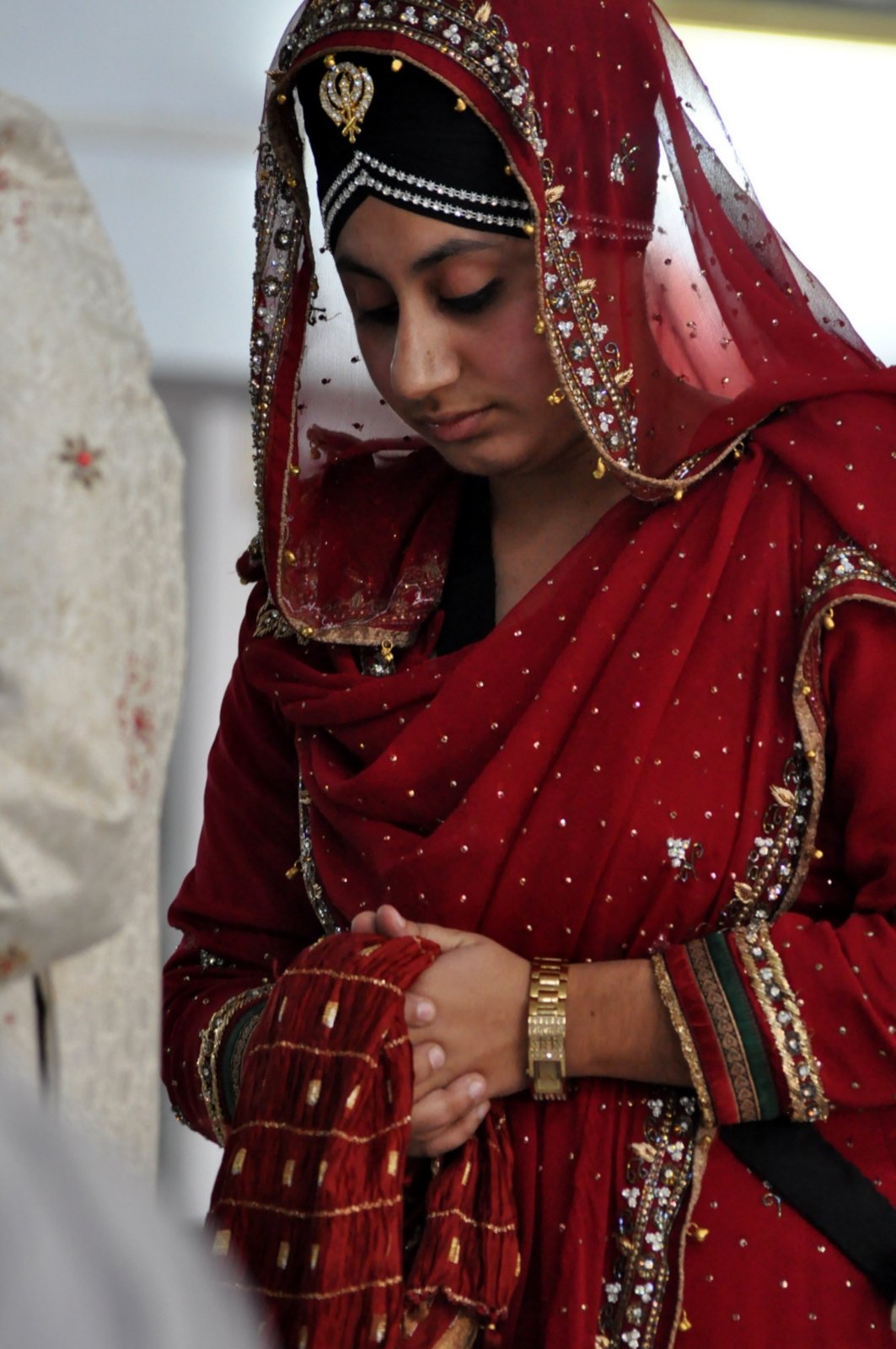
Photo credit: Jaskaur via Wikimedia Commons (CC BY-SA 4.0)
If this is your first Karva Chauth after marriage, a deep red bridal suit lets you wear your wedding richness again without repeating your wedding outfit. The long embroidered kurta, the sheer dupatta draped over the head, and the gold detailing along the edges give you the full shringar feeling in a silhouette you can actually sit, stand, and serve in all day. A suit is kinder than a lehenga when your home involves stairs, a kitchen, and a puja on the floor. Restyle your bridal jewellery selectively rather than wearing all of it: the kada, one necklace, and your chooda carry the story. Keep your makeup soft so the red stays the focus from morning to moonrise. The principle: revisit your bridal red through a practical silhouette, and edit the jewellery down to the pieces that matter.
3. The Maroon Silk Saree You Can Wear to Work First
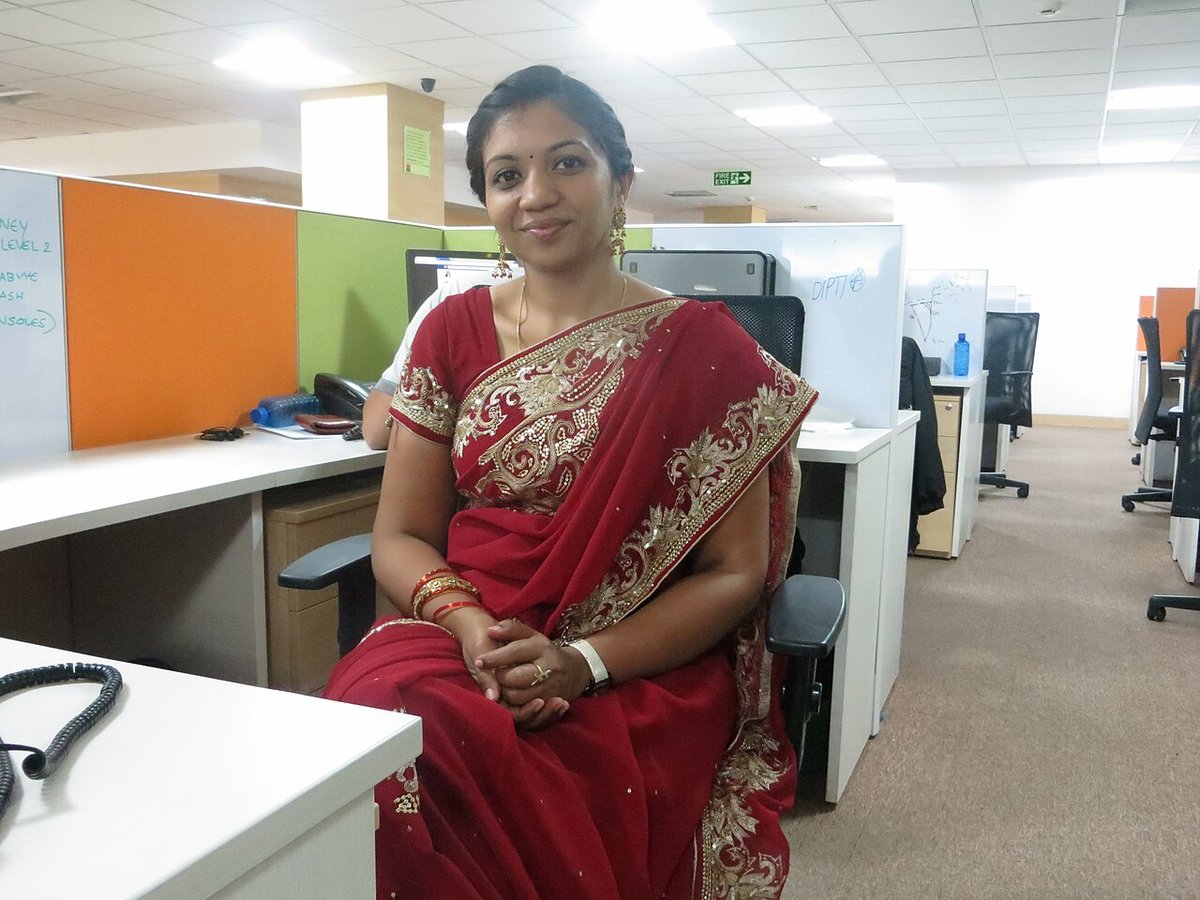
Photo credit: Doormaind via Wikimedia Commons (CC BY-SA 4.0)
Karva Chauth often falls on a working day, and a maroon silk saree with a wide gold border is the smartest bridge between your desk and the evening puja. Maroon reads formal and festive at once, and a silk drape with a statement border needs no extra styling to look dressed up. Wear it pleated and pinned neatly for the office with small studs and a watch, then switch to jhumkas, bangles, and a bindi before the katha. The gold border does the work a heavy blouse would do, so your blouse can stay simple and breathable through the fast. Carry a soft shawl for air-conditioned rooms so the silk keeps its fall. The principle: choose a saree whose border is the jewellery, and let small evening swaps carry you from work to puja.
4. The Pink Bandhani Saree for the Evening Puja
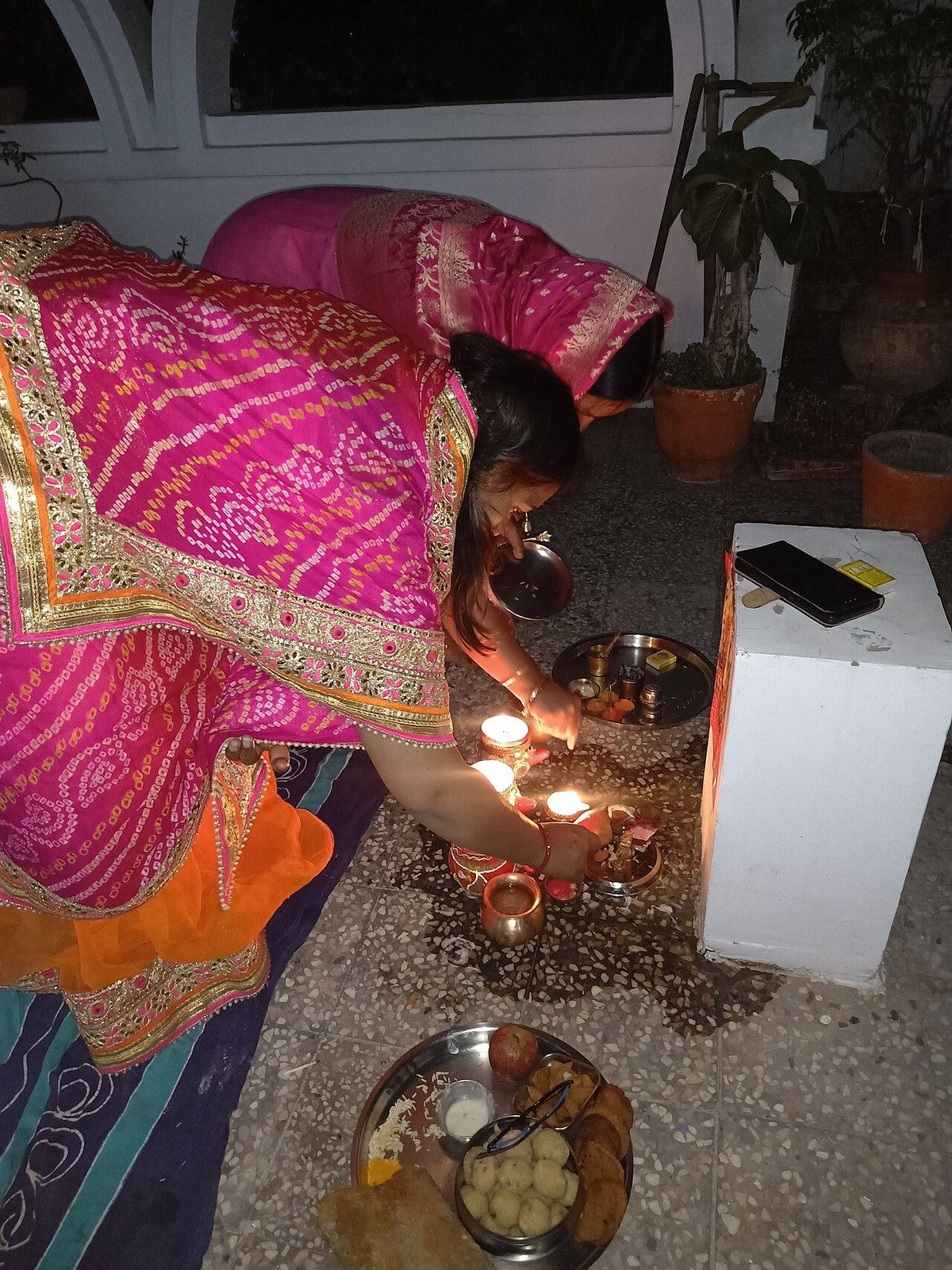
Photo credit: Suyash.dwivedi via Wikimedia Commons (CC BY-SA 4.0)
Rani pink bandhani is the joyful middle ground between classic red and soft pastel, and it glows beautifully in diya light. The tiny tie-dye dots break up the colour so a full pink saree never looks flat, while a gold border keeps it firmly festive. Bandhani silk or georgette drapes light, which matters when you are bending over diyas, arranging a thali, and moving between rooms during the puja. Pair it with gold temple jewellery and a low bun so the pattern stays uninterrupted from shoulder to hem. If your saree is heavily bordered, skip the necklace and let earrings and bangles frame the look instead. A small potli in a deeper pink finishes it without adding weight to your hands. The principle: when the print is busy and bright, simplify the jewellery and let the craft pattern lead.
5. The Red Bandhani Odhni with Traditional Jewellery
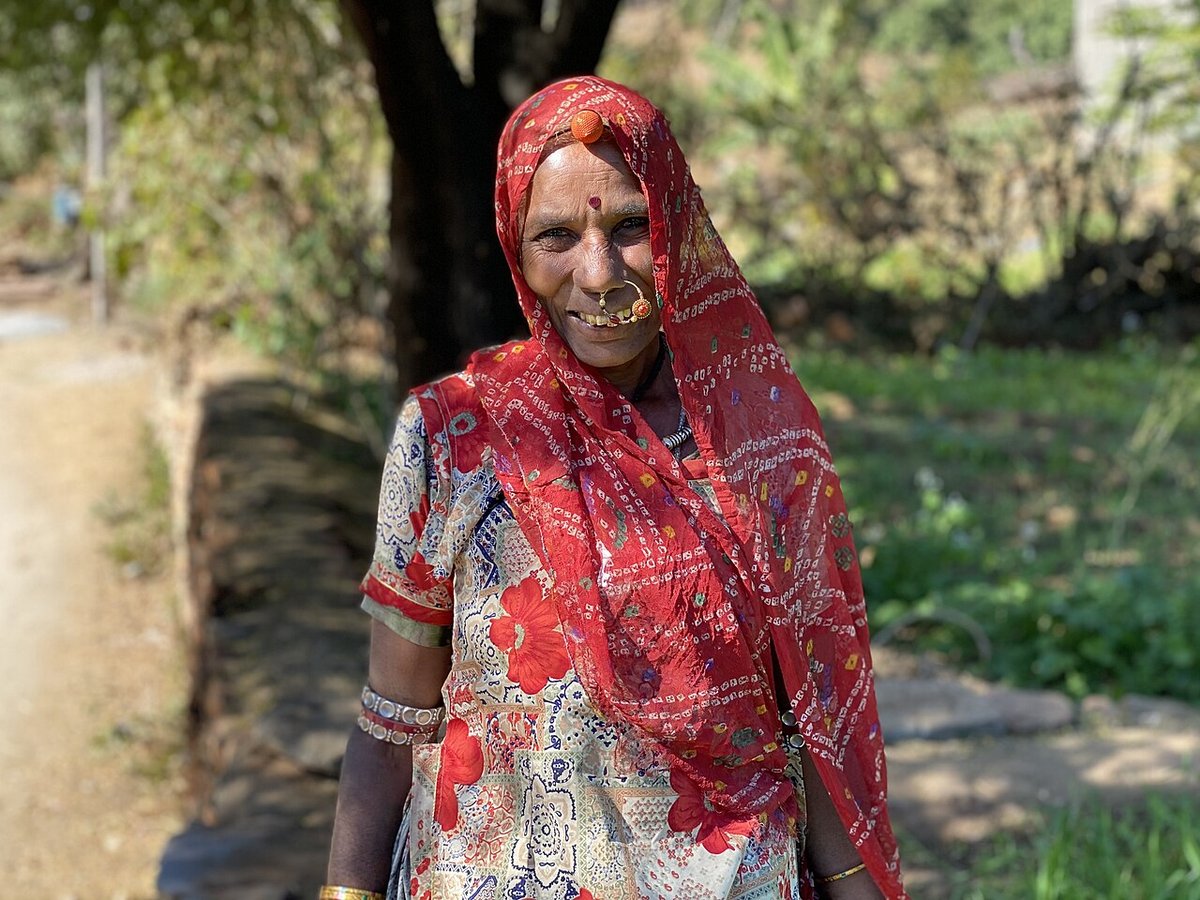
Photo credit: Sumana Palle via Wikimedia Commons (CC BY-SA 4.0)
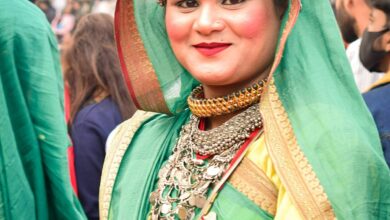
Sometimes the most memorable Karva Chauth look is the most rooted one. A red bandhani odhni draped over the head, a printed blouse, a nath, glass bangles, and a bold bindi carry centuries of Rajasthani festive dressing in a single frame. This is a wonderful direction if you are celebrating at your family home or joining an elder relative for the katha, where traditional detail is appreciated more than trend. You can build the same mood over a simple lehenga or a plain suit: the odhni becomes the outfit. Keep the base colours muted so the red tie-dye and the jewellery stay in conversation with each other. Borrow one heirloom piece, a kada or a nose ring, to give the look its memory. The principle: drape one heritage textile with intention, and let traditional jewellery tell the family story.
6. Colourful Sarees for the Group Katha
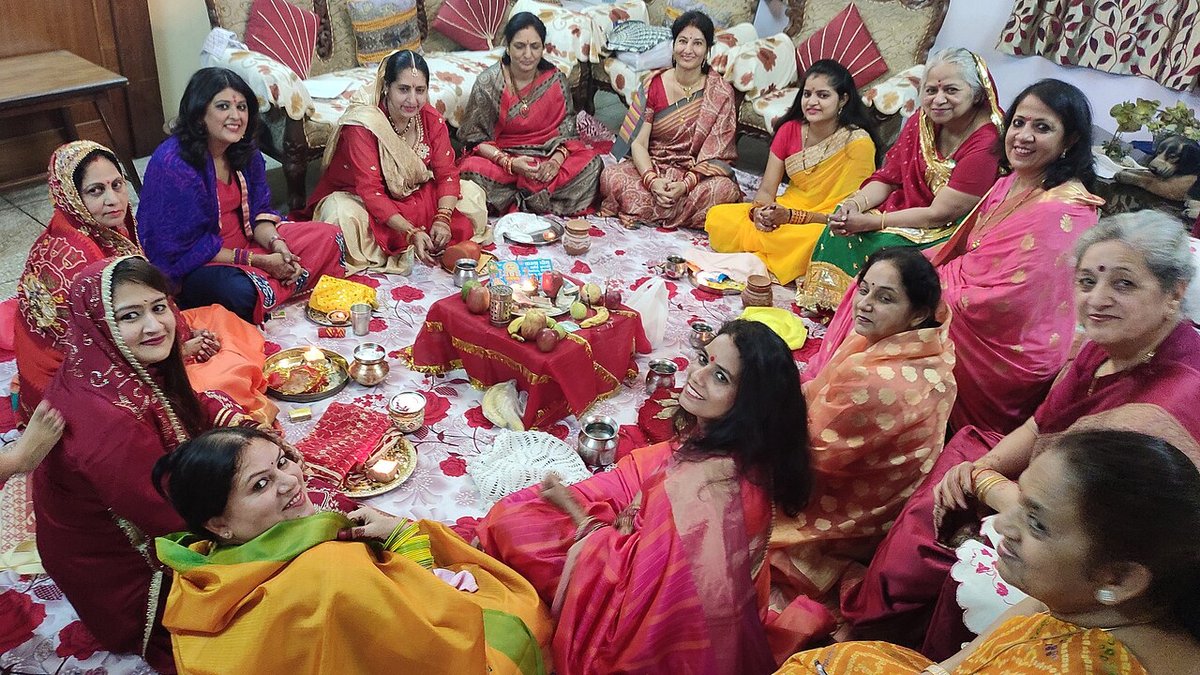
Photo credit: CSG-Info via Wikimedia Commons (CC BY-SA 4.0)
The afternoon katha is a circle, not a runway, and this photograph of women in pink, red, yellow, and green sarees seated around their thalis captures how group dressing really works. Your saree will be seen mostly from the waist up and mostly while seated, so choose a blouse and border that reward that view. Light silks and soft georgettes fold comfortably for an hour on the floor, and a secure pallu pin saves constant adjusting while you pass the thali. Colour coordination with your circle is a pleasure, not a rule: one shared accent, like gold borders or red dupattas, ties the group photograph together. Carry your katha book and a small towel for the diya soot. The principle: dress for the seated circle first, with comfort in the drape and detail where the camera actually looks.
7. The Embroidered Red Blouse with a Gajra Bun
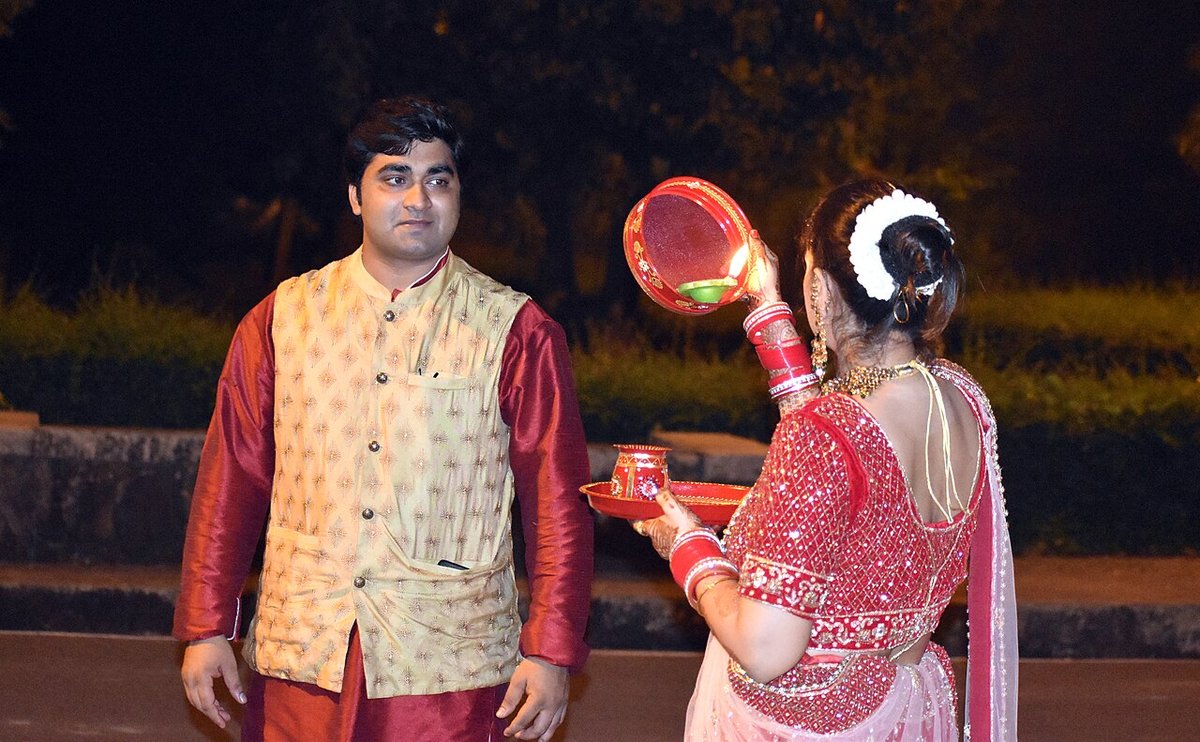
Photo credit: Rohit Sharma via Wikimedia Commons (CC BY-SA 4.0)
This season, the blouse is where your Karva Chauth outfit can feel most personal. A deeply embroidered red blouse with a shaped back, paired with a lighter saree, reverses the usual formula and puts the craft where it photographs best during the thali and sieve rituals. The white gajra wound around a neat bun adds fragrance, softness, and a unmistakably festive finish that costs very little and photographs from every angle. Because the back carries the detail, keep the front neckline simple and your necklace short or absent. Red bangles stacked on both wrists echo the blouse and frame the thali in your hands. Choose blouse padding and hooks that stay comfortable through a long fast, and do a sitting test before the day. The principle: make the blouse the statement, keep the saree light, and finish the hair with fresh flowers.
8. The Green and Gold Saree with Stacked Bangles
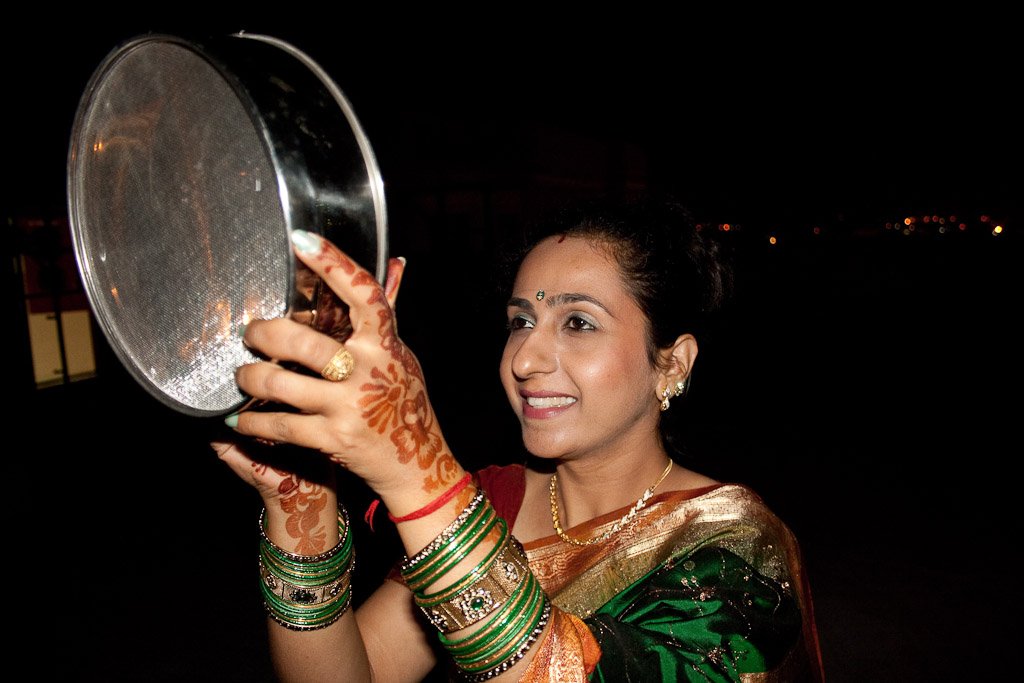
Photo credit: Pranav Bhasin via Wikimedia Commons (CC BY 2.0)
Red is tradition, but it is not a compulsion, and an emerald green saree with a gold border is the most elegant alternative for 2026. Green carries its own festive meaning of new beginnings, and against the night sky of the moonrise ritual it looks calm and striking. The detail that makes this look unforgettable is the bangles: full stacks of green and red glass bangles over henna-darkened hands, chiming softly every time you lift the sieve. If you choose a non-red outfit, keep one red element in the frame, a dupatta, a bindi, or red bangles mixed into the stack, so the look still speaks the language of the festival. Gold jewellery warms the green and ties it to your thali. The principle: change the saree colour if you love it, but keep one red accent and let your bangles carry the tradition.
9. The Classic Red Saree with a Cream and Gold Dupatta
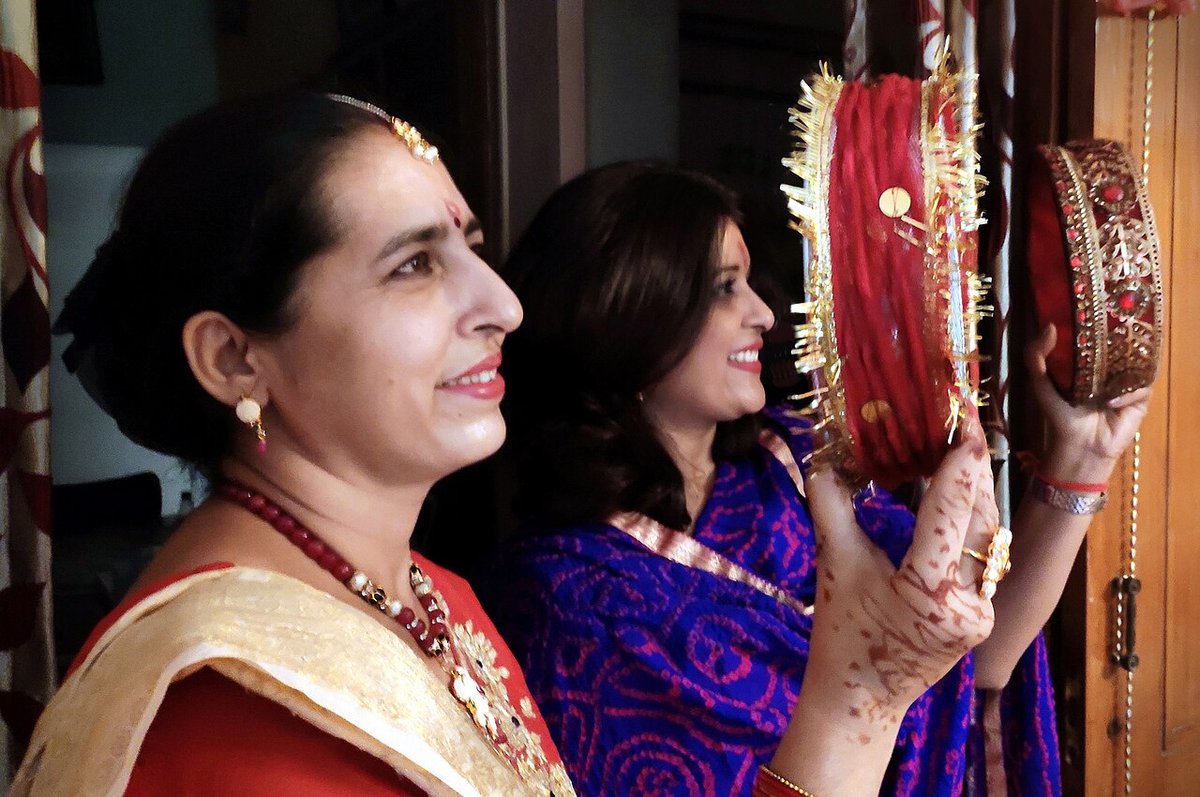
Photo credit: CSG-Info via Wikimedia Commons (CC BY-SA 4.0)
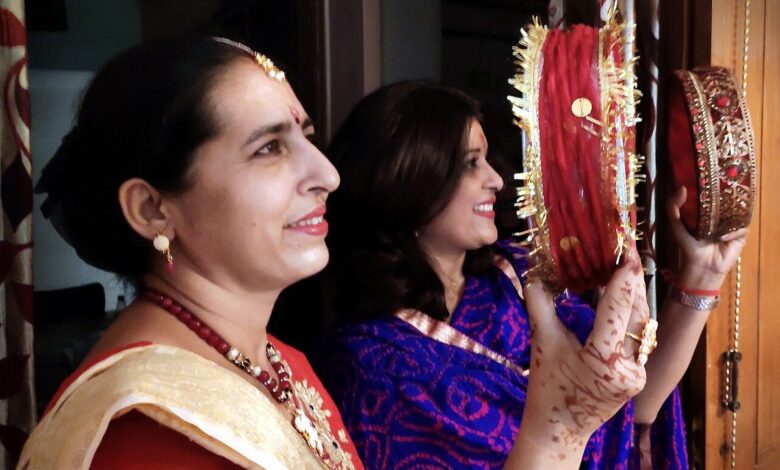
If you want one look that answers every part of the day, it is the classic red saree softened with a cream and gold dupatta. The red keeps the symbolism, the cream lifts the colour away from your face and flatters tired, fasting skin, and the gold in both pieces threads the outfit together. This is the combination to choose for your moonrise moment, when the decorated sieve, your henna, and your jewellery all appear in the same photograph. Drape the dupatta over one shoulder rather than the head if you want the necklace visible, and pin it so it survives hugs and movement. A medium-weight silk or silk-blend saree holds its pleats from the morning katha to the last ritual without constant repair. The principle: pair your deepest red with one soft neutral, and your festive look gains light, balance, and staying power.
10. The Red and Gold Embroidered Saree for the Festive Night
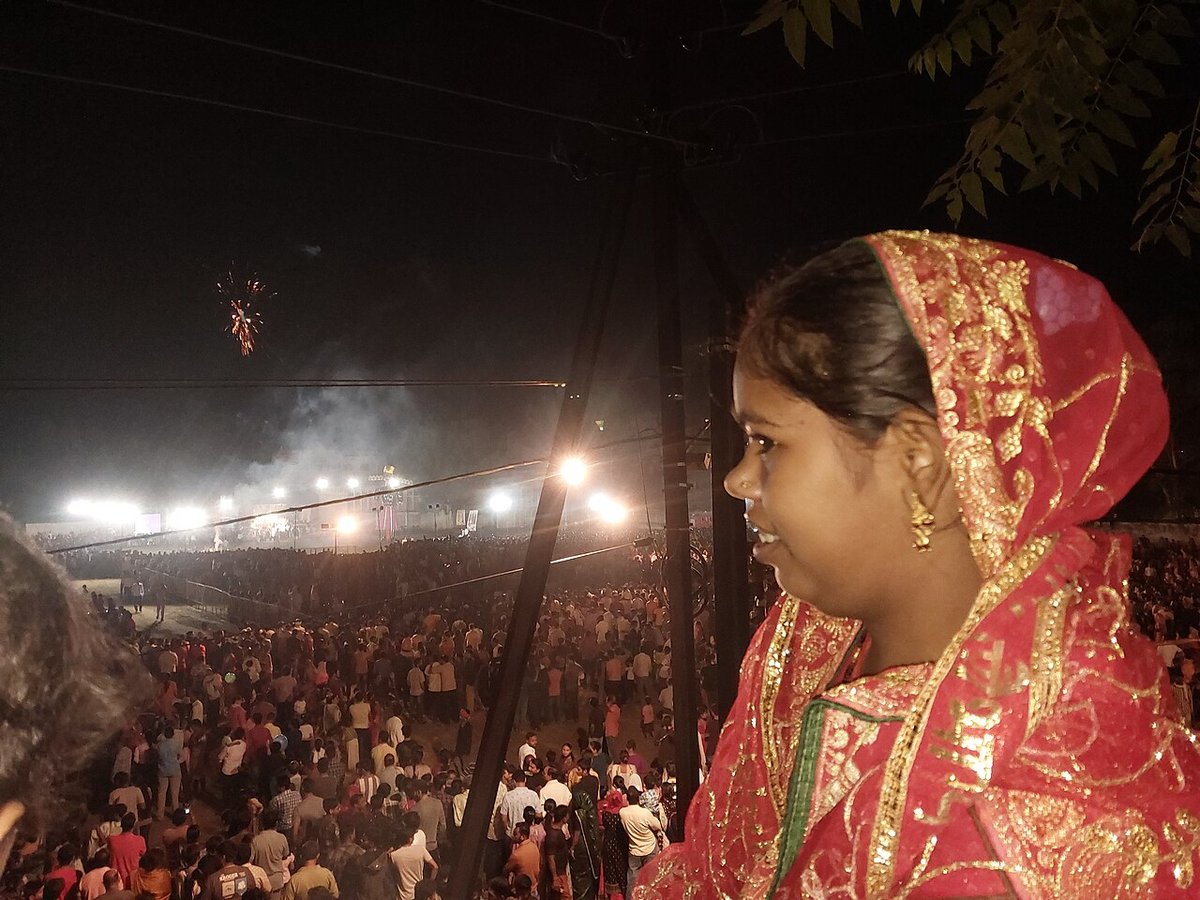
Photo credit: The open draft via Wikimedia Commons (CC BY-SA 4.0)
End the day with the richest version of red: a saree dense with gold embroidery, the dupatta drawn over the head, and jewellery kept to one pair of gold earrings so the needlework stays in charge. Heavy embroidery earns its place at night, when gatherings move outdoors, lights are warm, and your outfit is seen in motion rather than in detail. Because the work is concentrated on the border and dupatta, the body of the saree can stay lighter than it looks, which is the difference between a grand entrance and an exhausting evening. Wear your hair low and neat under the dupatta, and choose a blouse in the same red so nothing interrupts the gold. Carry flats for the walk and change into heels only for photographs if you like. The principle: save your heaviest embroidery for the night, and concentrate it where the light will find it.
Final Thoughts
Your Karva Chauth outfit does not need to be new, expensive, or heavy to be right. It needs to honour the meaning of the day, survive a long fast with grace, and make you feel radiant when the moon finally rises. Build around red if you love tradition, borrow the bandhani, velvet, and silk textures that this season does so well, and give yourself one practical comfort for every festive detail: a pinned pallu, a breathable blouse, bangles you enjoy hearing, and shoes you can walk in. Whether you choose the velvet lehenga, the work-to-puja maroon saree, or the green alternative with its stacked bangles, the look that serves the ritual best is always the one you will remember with pleasure.
Frequently Asked Questions
Which colour is best for a Karva Chauth outfit?
Red is the traditional choice because it symbolises love, prosperity, and the married state, with maroon and rani pink as close variations. Emerald green, royal blue, and mustard also work well in 2026, especially when you keep one red accent such as bangles, a bindi, or a dupatta in the look.
What should you wear for your first Karva Chauth?
A deep red outfit with a bridal feeling is the classic choice, such as an embroidered suit, a velvet lehenga, or a silk saree worn with selected pieces from your wedding jewellery. Choose a silhouette you can sit on the floor in comfortably, since the katha and puja involve a lot of floor seating.
How can you style a Karva Chauth outfit for a working day?
Pick a festive but office-appropriate base, such as a maroon silk saree with a gold border or a red suit with an embroidered dupatta, and wear it with minimal jewellery during the day. Before the evening rituals, add jhumkas, bangles, a bindi, and a fresh dupatta drape to shift the same outfit into celebration mode.
Which fabrics are most comfortable for the Karva Chauth fast?
Light silk, silk blends, georgette, and soft bandhani weaves are the most comfortable for a long day because they drape well, breathe, and hold their pleats. If you love velvet or heavy embroidery, concentrate it in the blouse, border, or dupatta and keep the rest of the outfit light.