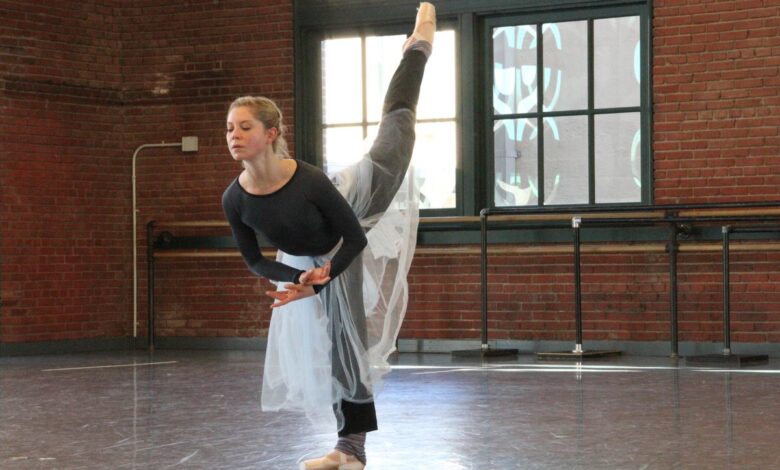
The Black Bodysuit as Your Base
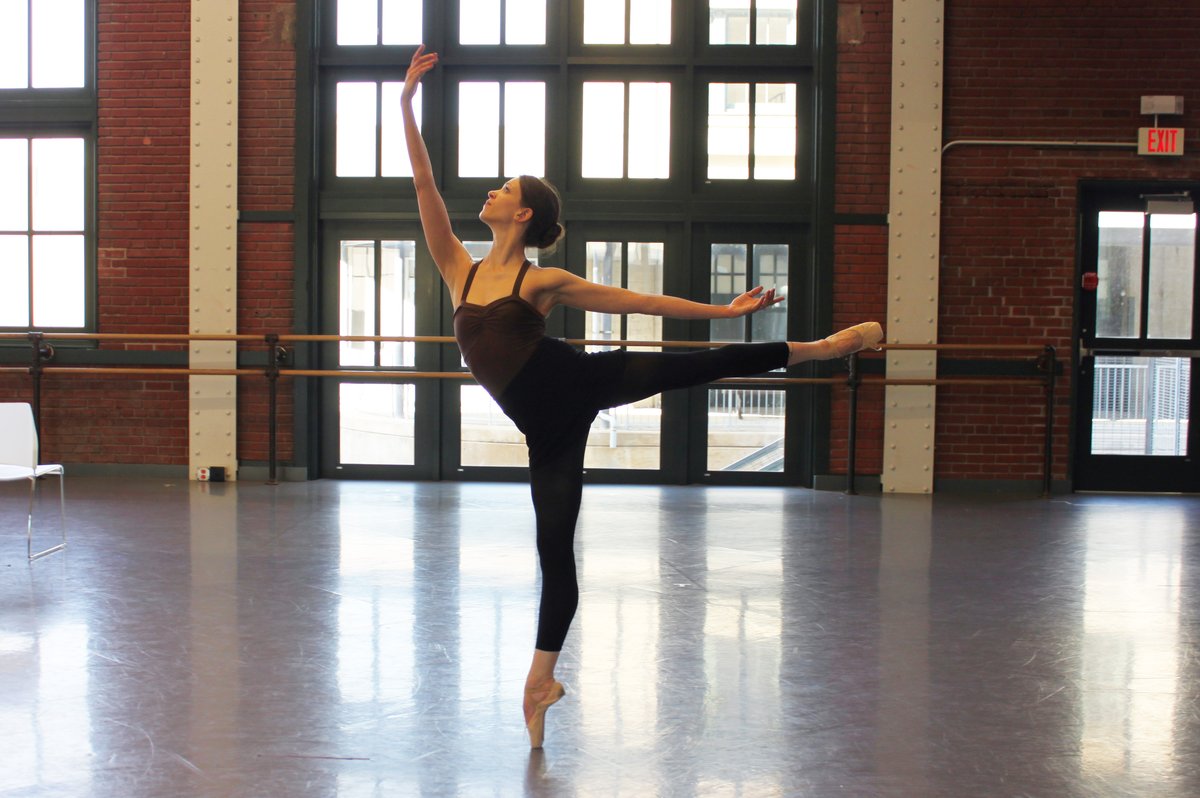
Photo credit: KCBalletMedia via Wikimedia Commons (CC BY 2.0)
Start with the foundation of every dancer’s wardrobe: a sleek black bodysuit. On its own it is a studio uniform, but tucked into high-waist trousers or layered under an oversized cardigan it becomes the cleanest base layer you own. A bodysuit skims the body without bunching at the waist, so everything you layer over it falls exactly where it should. Pair it with wool trousers and loafers for work, or with dark denim and a leather jacket when the evening turns cool. Choose a long-sleeve version with a scoop neckline and you have a piece that works from September through March. The principle: one invisible, perfect-fitting layer makes every outfit above it look intentional.
The Tulle Wrap Skirt Over Anything
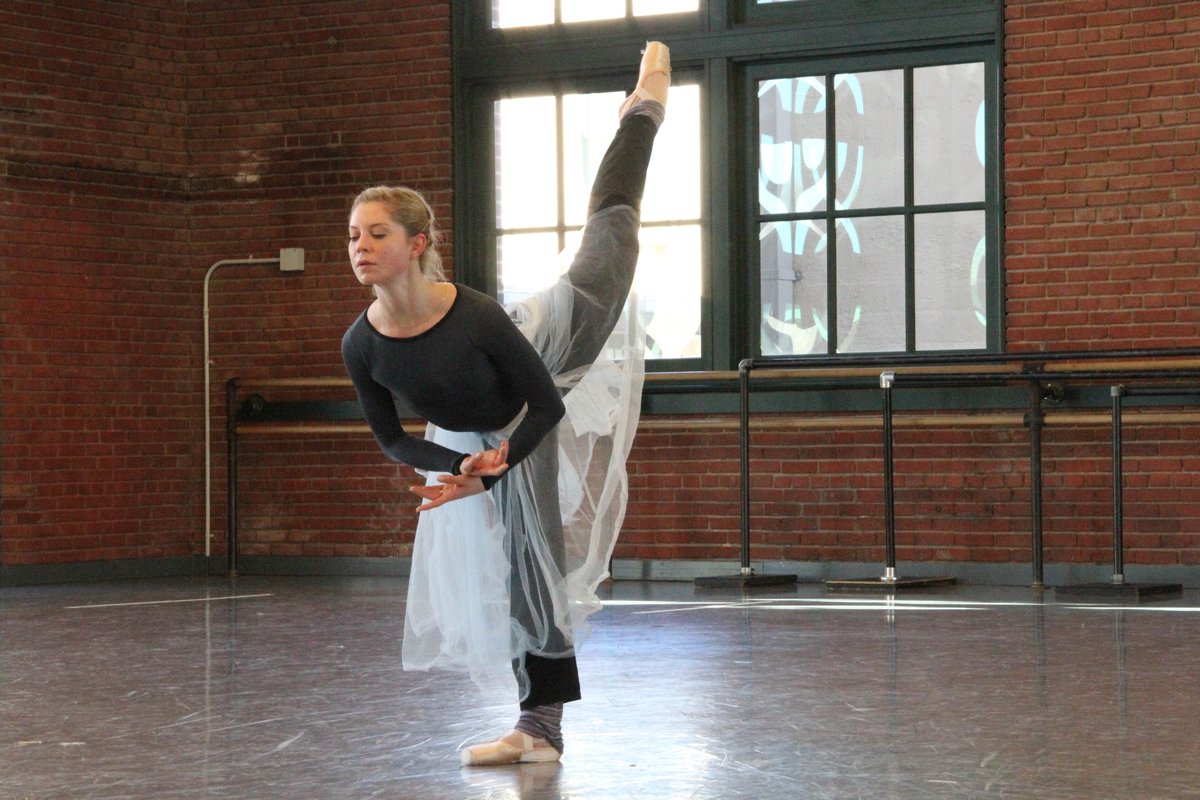
Photo credit: KCBalletMedia via Wikimedia Commons (CC BY 2.0)
A sheer tulle wrap skirt is balletcore’s most wearable borrowing. Dancers throw one over a leotard for rehearsal, and you can throw one over a slip dress, a knit mini, or even jeans for the same softening effect. The wrap tie keeps it adjustable and the transparency keeps it from reading heavy, which matters when you are layering for autumn. Look for a knee-length or midi version in black, ivory or blush and let it float over opaque tights and boots. The movement of the tulle does the talking, so keep the rest of the outfit quiet. The principle: sheer texture over an opaque base gives you volume without bulk.
The Romantic Full-Length Tutu
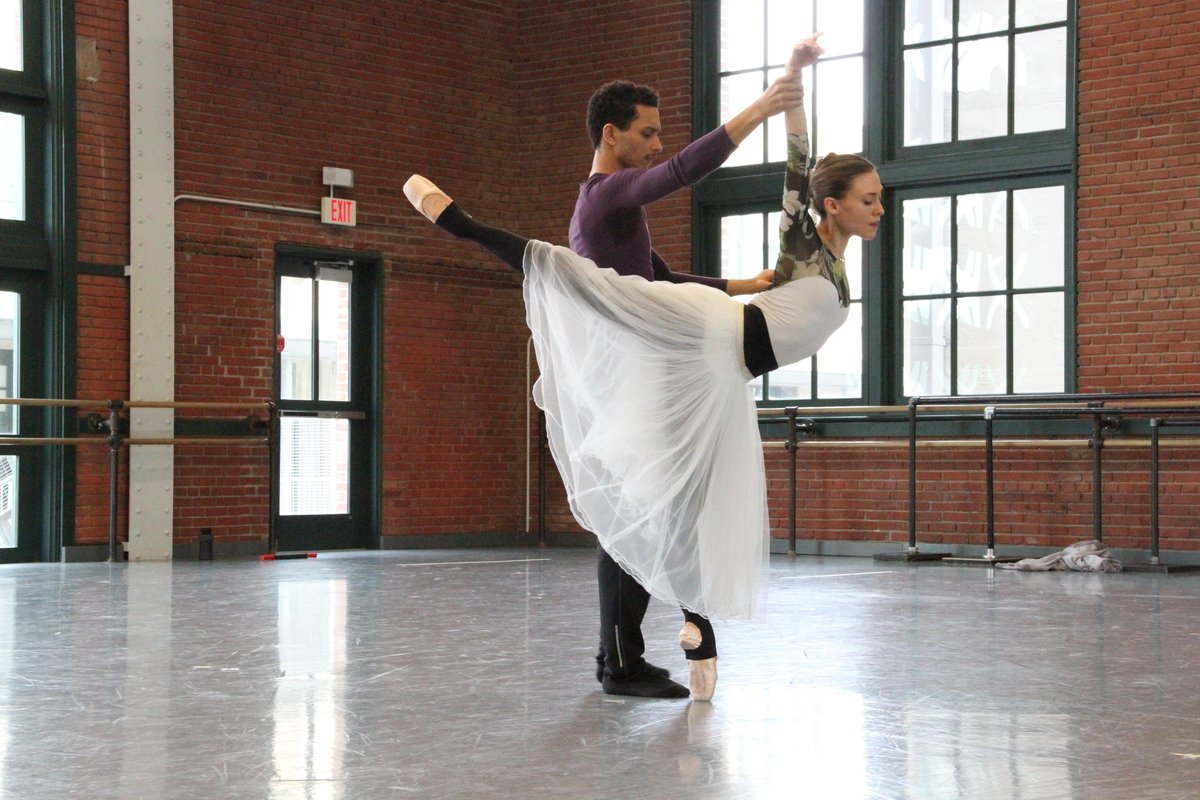
Photo credit: KCBalletMedia via Wikimedia Commons (CC BY 2.0)
For evenings that call for drama, borrow the Romantic-era tutu: long, airy and almost weightless. You will not wear an actual stage tutu to dinner, but a floor-skimming tulle skirt in ivory or pale grey delivers the same effect in the real world. Balance the volume on top with something fitted — a black camisole, a slim turtleneck, a cropped velvet jacket — and finish with a low heel. This is a silhouette that photographs beautifully under evening light, which is why it earns a place in your autumn calendar for galas, weddings and the holiday party season ahead. The principle: when the skirt is this full, everything above it should be sleek.
Satin Ballet Flats for Every Day
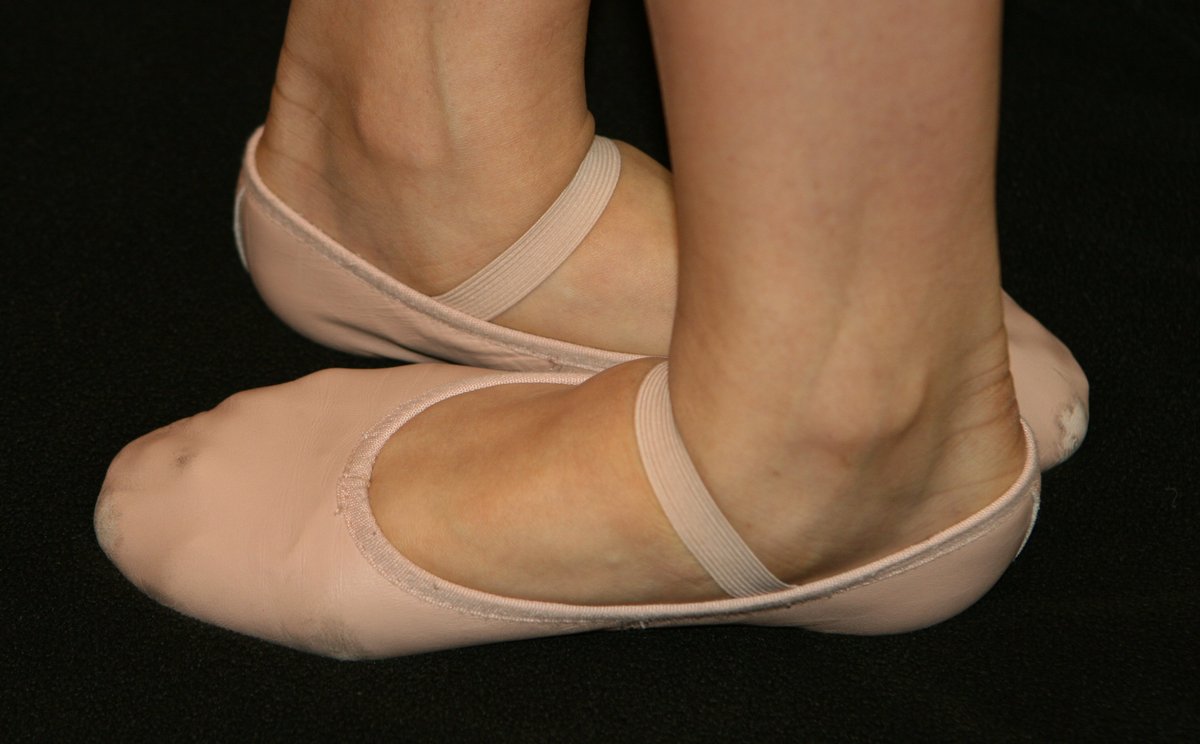
Photo credit: Lambtron via Wikimedia Commons (CC BY-SA 4.0)
No element says balletcore faster than the ballet flat, and this autumn it is back as a grown-up wardrobe staple. The modern version has structure: a squared or softly almond toe, a low vamp and a flexible sole, in satin, nappa or velvet. Wear blush satin flats with cuffed straight-leg jeans and a cream knit for the weekend, or black velvet pairs with tailored trousers for the office. They ground floaty pieces like tulle skirts and keep the look from floating away entirely. If you walk far, add a slim insole — comfort turns a pretty shoe into a daily one. The principle: one pair of well-made flats quietly carries the whole aesthetic.
Ribbon Ties That Travel Up the Ankle
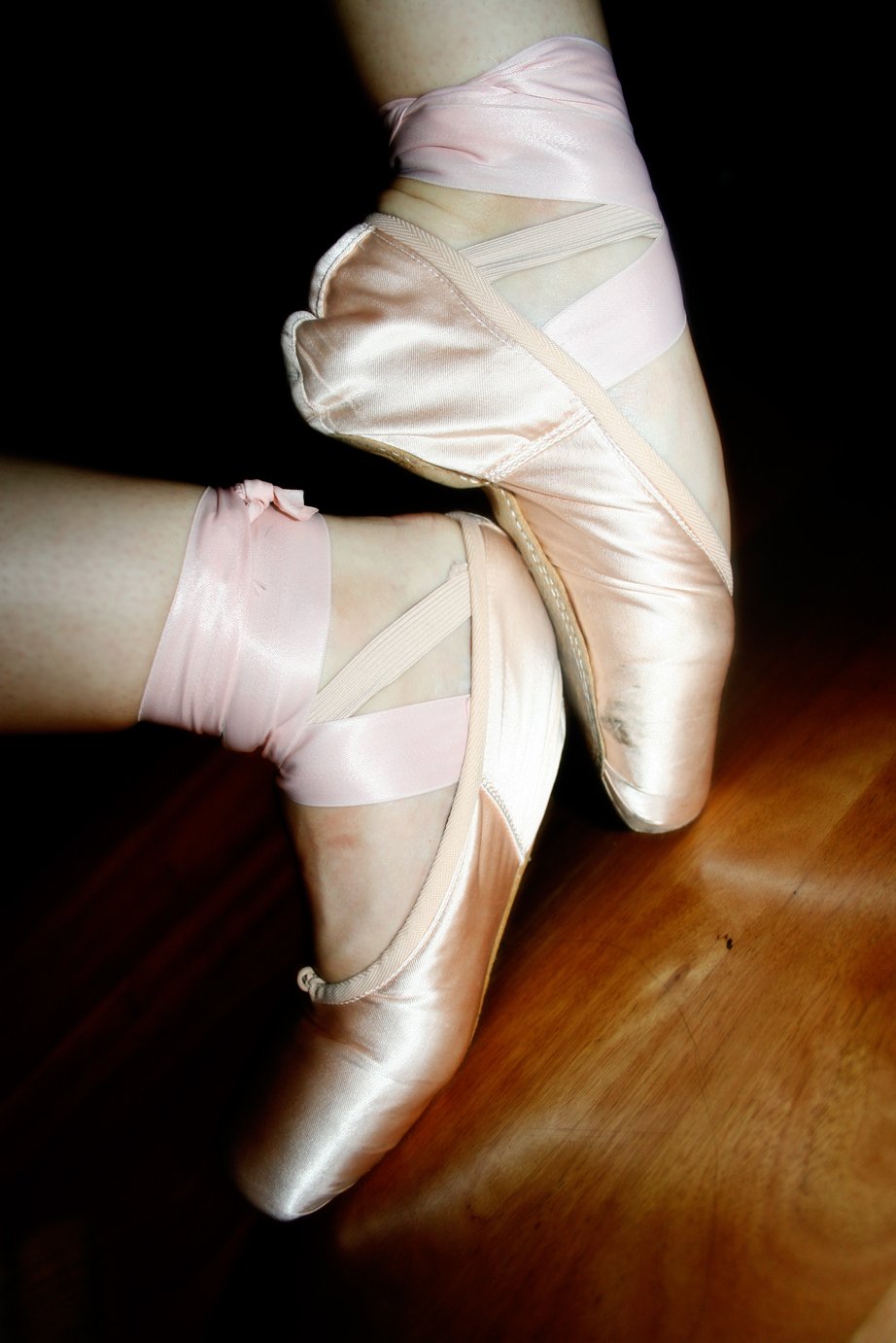
Photo credit: melalouise via Wikimedia Commons (CC BY 2.0)
Pointe-shoe ribbons are the detail that separates balletcore from plain minimalism. Translate them into your wardrobe with lace-up flats, ribbon-tie espadrilles or ballet-style heels whose straps wrap the ankle. The vertical line of a wrapped ribbon lengthens the leg and adds a handmade softness that buckles cannot match. Keep the ribbons the same tone as the shoe — blush on blush, black on black — so the effect reads elegant rather than theatrical. This is also the easiest entry point if the full tulle skirt feels like too much: one ribbon detail and you are in the trend. The principle: a single studio detail on an ordinary shoe does more than a head-to-toe theme.
The Pastel Tulle Mini
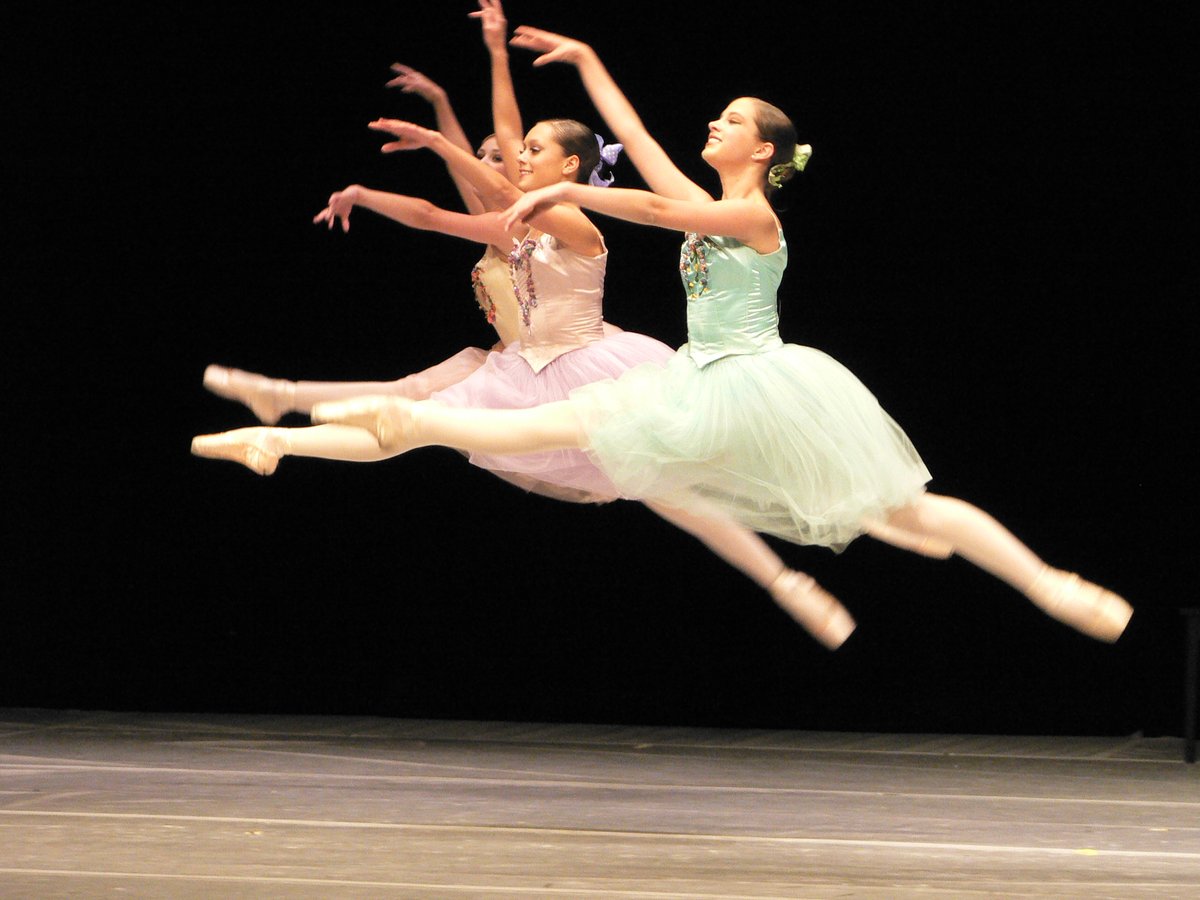
Photo credit: jeff medaugh via Wikimedia Commons (CC BY-SA 2.0)
Pastel tulle is balletcore at its most joyful. A blush, mint or powder-blue tulle mini looks fresh against autumn’s heavier palette of brown, burgundy and charcoal, and it pairs surprisingly well with chunky knits — the contrast of delicate skirt and heavy sweater is the whole point. Wear it with opaque tights and knee boots when the temperature drops, and add a fitted leather or denim jacket to keep the sweetness in check. This is a weekend and party piece rather than an office one, and it earns its keep at brunches, gallery afternoons and daytime events. The principle: contrast a delicate pastel skirt with one heavy, grounded piece.
A Statement Tutu in a Bold Color
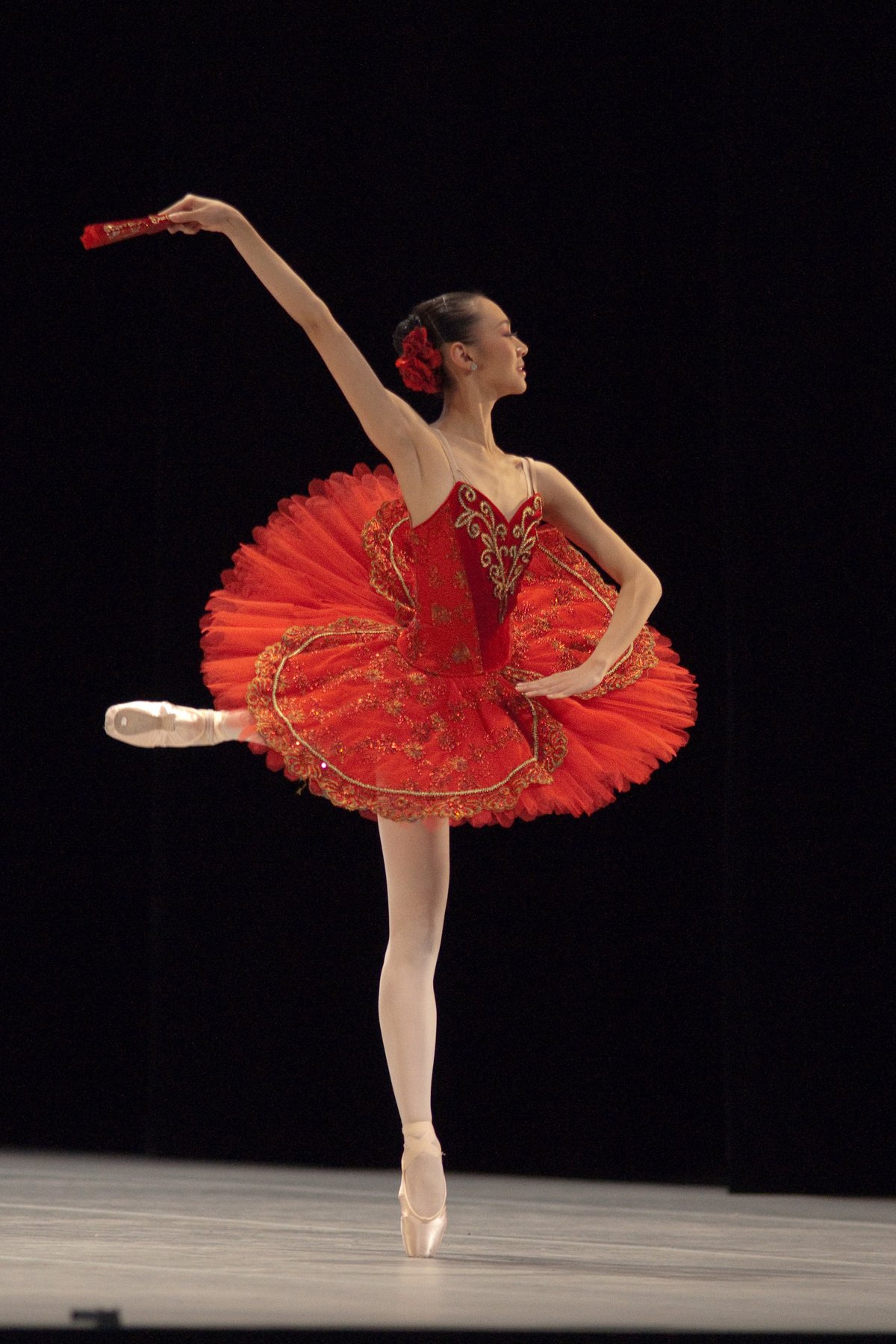
Photo credit: Fanny Schertzer via Wikimedia Commons (CC BY-SA 3.0)
Balletcore does not have to whisper. The stage has always loved saturated color — think the fiery reds of Kitri’s costume — and your wardrobe can borrow that confidence for festive evenings. A ruby or emerald tulle skirt with a simple black top is a striking holiday-season formula, and it needs almost no accessories to work. If a full tutu feels ambitious, start smaller: a red wrap top, a crimson ballet flat, a scarlet ribbon in a low bun. One bold color against balletcore’s usual blush-and-black palette reads deliberate and modern. The principle: let one saturated color do the work of ten accessories.
Embellished Tulle After Dark
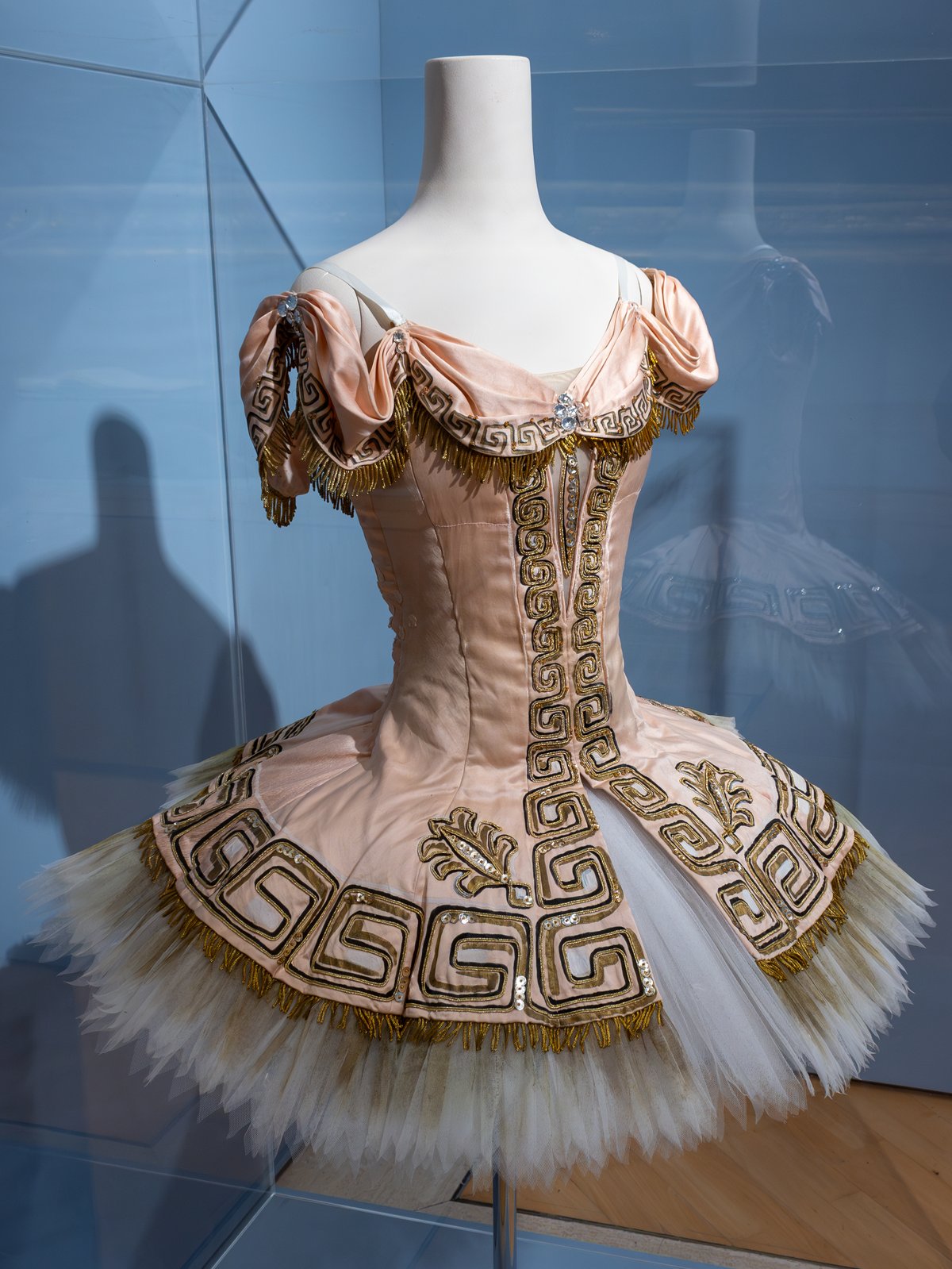
Photo credit: The wub via Wikimedia Commons (CC BY-SA 4.0)
When the occasion is genuinely formal, take your cue from the great stage costumes: blush tulle finished with embroidery, beading or metallic trim. In real life that translates to an embellished tulle skirt or an embroidered mesh top worn with a plain satin skirt. The craftsmanship is the point, so keep the silhouette simple and let the surface detail carry the evening. Pair with a low bun, a bare shoulder line and minimal jewelry — anything more competes with the embroidery. This is your answer to black-tie dress codes that ask for something memorable without a gown. The principle: at formal events, texture and handwork outshine logos every time.
Leg Warmers, Scrunched for the Street
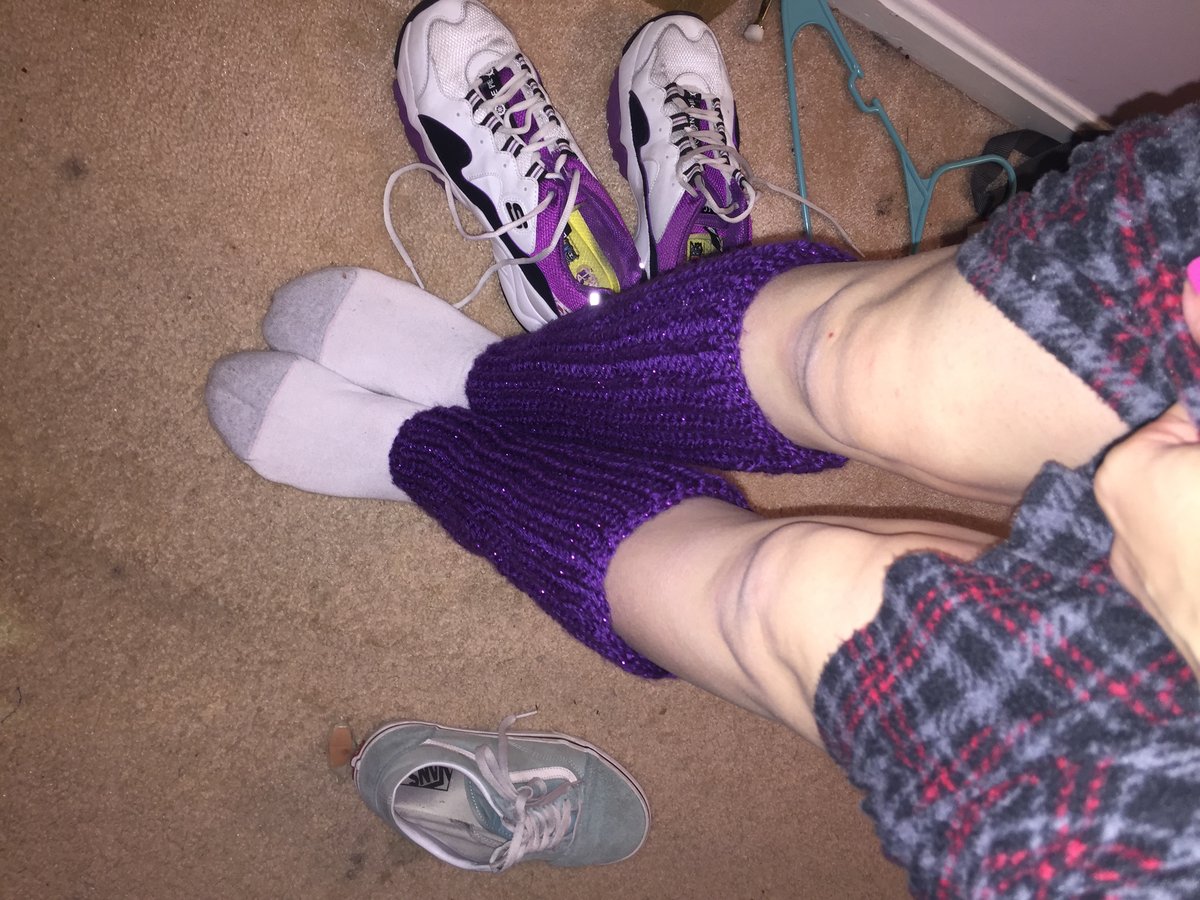
Photo credit: Punker1999 via Wikimedia Commons (CC BY-SA 4.0)
Leg warmers are the trend’s most nostalgic piece, straight from the studio warm-up, and the styling rule is simple: scrunch, do not stretch. Worn bunched around the ankle over leggings, tights or slim boots, they add a soft, lived-in layer that straight socks cannot give you. Stick to ribbed knits in cream, grey, blush or black — neon belongs to the eighties exercise video. They work hardest over ballet flats or low boots with a mini skirt, where the sliver of knit between hem and shoe becomes the outfit’s focal point. The principle: scrunching turns a functional knit into a styling detail.
Vintage Ballerina Glamour
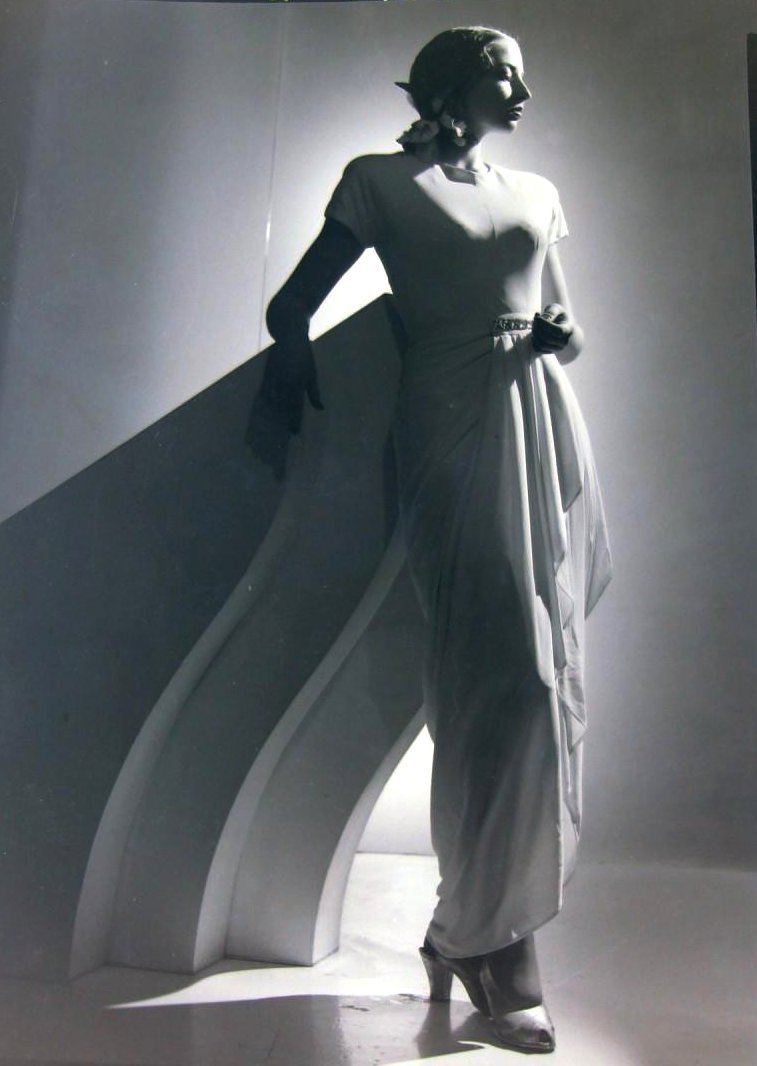
Photo credit: Max Dupain via Wikimedia Commons (Public domain)
End with the finishing touch that costs nothing: the ballerina’s grooming. A sleek low bun, a clean brow, a soft neutral lip and posture you can feel — this is what makes every outfit above read as balletcore rather than simply pretty. It also rescues busy days: when your clothes are simple, polished grooming carries the look. Pair the low bun with a draped satin dress or a silk blouse for evenings, and keep earrings small and close to the ear. The 1940s studio portraits got this exactly right, and the formula has not aged a day. The principle: when the clothes are quiet, let your grooming do the talking.
Balletcore has stepped off the stage and straight onto the sidewalk. The trend borrows the dancer’s off-duty uniform — wrap tops, tulle skirts, satin flats, ribbon laces and leg warmers — and rewrites it for real life. It is soft without being costume, which is exactly why it keeps resurfacing every autumn when we all start reaching for knits and layers again.
The trick to wearing it well is restraint. Take one studio element at a time and anchor it with something ordinary: a bodysuit under your blazer, flats with straight-leg denim, a wrap skirt over tights. Below are ten ways to translate the dancer’s wardrobe into outfits that work for coffee runs, office days and evening plans alike.
Final Thoughts
Balletcore endures because it is built on real dancer logic: layers that move, shoes you can actually walk in, details that soften rather than shout. You do not need a single new wardrobe to join in — a wrap skirt here, a ribbon-tie flat there, a low bun to finish. Pick the two or three ideas above that fit the life you already live, and let the studio come to you this autumn. For more cold-weather layering inspiration, browse the winter accessory outfit ideas and sweater weather outfit ideas on the site.
Frequently Asked Questions
What is balletcore?
Balletcore is a fashion aesthetic inspired by ballet dancers’ rehearsal wear — tulle skirts, bodysuits, wrap tops, satin ballet flats, leg warmers and ribbon details — translated into everyday outfits.
How do you wear ballet flats in autumn without looking summery?
Choose them in velvet, nappa or dark satin rather than pale canvas, and pair with opaque tights, wool trousers or dark denim so the outfit stays seasonally grounded.
Can you wear a tulle skirt in cold weather?
Yes — layer a tulle skirt over opaque fleece-lined tights, add knee boots and a heavy knit on top, and the skirt becomes a winter-proof statement piece.
What is the easiest way to try balletcore on a budget?
Start with the details: a low bun, ribbon-tie flats or a pair of ribbed leg warmers scrunched over shoes you already own. One element is enough to join the trend.