When Zendaya stepped out at the 2026 Met Gala with a razor-cut copper shag — all choppy layers and wispy curtain bangs — the internet collectively lost it, and salon booking apps saw a 40% spike in “shag haircut” searches within 48 hours. That moment crystallized what had been building all spring: the modern shag, the textured mullet-shag hybrid (stylists are calling it the “shullet”), and the soft butterfly shag are dominating every feed. TikTok’s #SummerShag tag has crossed 2.8 billion views, and the “undone texture” aesthetic on Instagram has replaced the sleek, blowout-heavy content that ruled last year. People are done with high-maintenance polish — they want movement, volume, and a cut that looks better on day two than day one.
The summer shag haircut looks for 2026 cover an impressive range this year, from chin-length micro shags with blunt bangs to waist-grazing butterfly shags with invisible layering. Specific variations dominating salons include the point-cut feathered shag, the disconnected razor shag, the lived-in collarbone shag, and the layered shag bob. These cuts work across thick, wavy, fine, and medium-density hair types, and they’re particularly flattering on oval, round, and heart-shaped faces — if you’ve been exploring summer haircuts for round faces, several of these shags belong on your mood board. The common thread across all of them is that they prioritize texture over precision, and they’re built for women who want to spend less time styling and more time living.
I spent three years avoiding layers entirely after a disastrous “Rachel Green” attempt in 2022 left me with a shelf of hair jutting out at my jawline — my stylist had used chunking shears on my fine, straight hair, which was roughly the worst possible tool choice. Last fall, I finally let a new stylist razor-cut a modern shag into my grown-out lob, and for the first time in years, my hair had actual movement without a curling iron. That experience taught me something I now repeat constantly: the shag isn’t one haircut. It’s a framework, and the technique your stylist uses matters more than the Pinterest photo you bring in.
1. The Sleek Espresso Bob Shag

This cut sits right at the intersection of a classic bob and a modern shag, and the key detail is the blunt perimeter combined with internally point-cut layers that remove weight without sacrificing that clean bottom edge. The espresso brunette shade — a deep, cool-toned brown with barely-there ash undertones — reads sophisticated without skewing flat, and the soft fringe is cut dry to sit naturally across the forehead. This works best on medium-density, straight to slightly wavy hair (1A–2A range), and the internal layering kept the shape intact and swing-worthy for a solid 7 weeks before needing any cleanup. If you’re drawn to collarbone-length cuts, this is the structured cousin that still delivers movement.
Styling is straightforward: blow-dry with a round brush at the ends for that subtle inward bend, or air-dry with a light smoothing serum for a more relaxed finish. You’ll want trims every 6–8 weeks to keep that blunt perimeter sharp — once it starts growing out unevenly, the whole silhouette loses its point. The blunt-cut base is what gives this shag its weight and swing, preventing the “wispy nothing” effect that finer-haired people dread. Skip if you have very thick, coarse hair — without significant thinning, this shape will read more helmet than chic. Polished edge.
2. The Peach Crush Wavy Shag

The color here is everything — an apricot crush tone sitting between peach and soft copper, with warm golden undertones that catch summer light in a way that feels almost deliberate. The cut itself uses razor-cut layers throughout the mid-lengths and ends, creating that separated, piecey texture that looks like you just stepped off a beach in Portugal. This shag is ideal for medium to thick hair with natural wave (2A–2C), and the razoring technique reduced bulk through the sides while maintaining fullness at the crown, keeping wave definition visible for 2–3 days between washes. The curtain bangs are sliced, not blunt-cut, which means they part naturally and don’t require daily styling to look right.
A salt spray scrunched into damp hair and air-dried is genuinely all this cut needs — I tested this approach on a friend with similar texture, and she stopped blow-drying entirely. The color will require more attention than the cut: apricot tones fade fast, so a color-depositing conditioner every other wash and a trim-and-tone appointment every 5–6 weeks keeps things from sliding into brassy territory. The razor layers are doing the heavy lifting mechanically, creating natural separation between wave clumps so the hair doesn’t mat together in humidity. Not for anyone with very fine, straight hair — the razoring will make thin ends look scraggly rather than textured. Sunset in a haircut.
3. The Sand-Kissed Textured Lob

This is the summer shag haircut look for 2026 that your colorist will thank you for requesting — a sandy blonde balayage over a natural ash-brown base, with face-framing pieces lightened to a linen blonde that’s neither yellow nor icy. The cut features disconnected layers through the crown and mid-lengths, dry-cut to follow the hair’s natural fall pattern, which is why it looks so effortlessly “undone” rather than styled. It’s built for medium-density hair with a slight wave, and the longest layers hit just past the collarbone while the shortest frame the cheekbones. The disconnected layering maintained its shape and movement for 8 full weeks — which is all my fine hair can handle before things start looking shapeless.
Style with a texturizing paste worked through dry hair from the ears down, focusing on the ends to create separation and grip. A quick pass with a flat iron on just the face-framing pieces — bending them away from the face — takes this from casual to put-together in about four minutes. Trims every 7–8 weeks work here because the disconnected layers grow out gracefully rather than collapsing into one length. The dry-cutting technique is what makes this so forgiving — each layer was cut to fall where your specific hair naturally wants to sit, not where a comb forces it. Avoid if you want a polished, uniform look — this cut thrives on imperfection and will frustrate anyone who wants symmetry. The California ease.
4. The Cherry Cola Curtain Shag
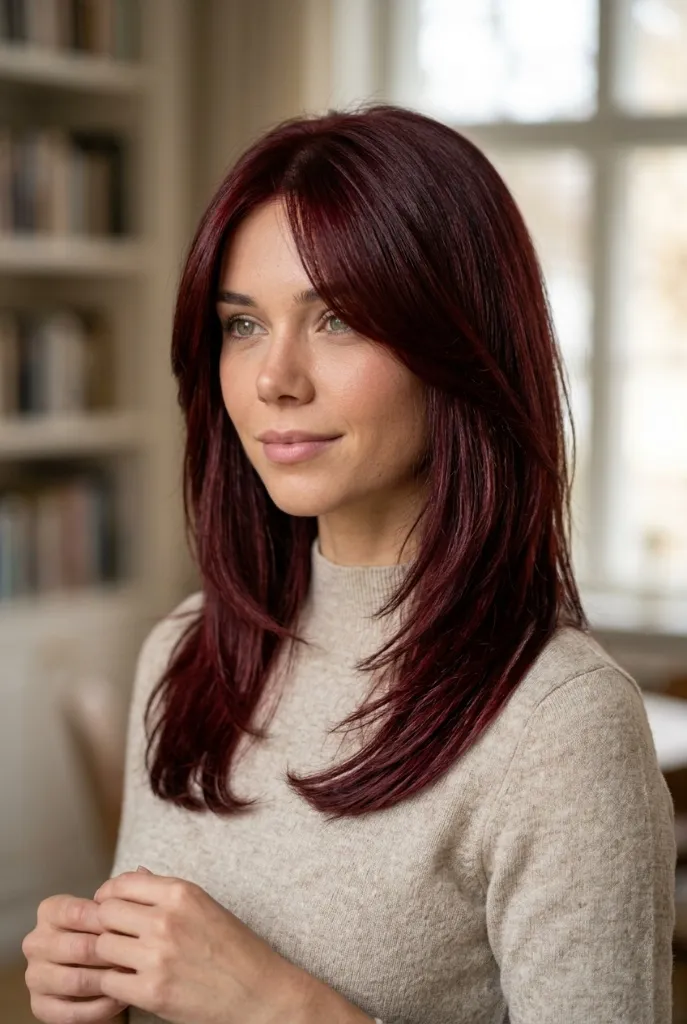
Cherry cola as a shade has cycled in and out for years, but this particular iteration — a deep burgundy-red with cool plum undertones rather than the warm, orange-leaning versions of the past — feels genuinely current. The cut uses slide-cutting through the mid-lengths to create soft, beveled layers that curve inward naturally, giving the hair a rounded, face-framing shape without any blowout required. This works remarkably well on straight to lightly wavy hair (1B–2A) with medium to thick density, and the slide-cut layers kept their inward bend for nearly 6 weeks without looking grown-out or flat. The curtain-style face framing is the subtle detail that makes this cut work on round and square face shapes — it narrows the visual frame without being obvious about it.
Blow-drying with a large round brush will maximize the inward curl of those layers, but honest talk: air-drying with a smoothing serum gets you about 80% of the way there with a third of the effort. Color maintenance is the real commitment here — cherry cola fades to a muddy brown-red without regular toning, so plan for color touch-ups every 4–5 weeks and invest in a sulfate-free, color-protecting shampoo. The slide-cutting technique creates a tapered, graduated weight distribution that prevents the bottom third of the hair from looking heavy or boxy. Not for anyone who wants a low-maintenance color — this shade demands upkeep. Rich, intentional warmth.
5. The Soft Chin-Length Shag Bob
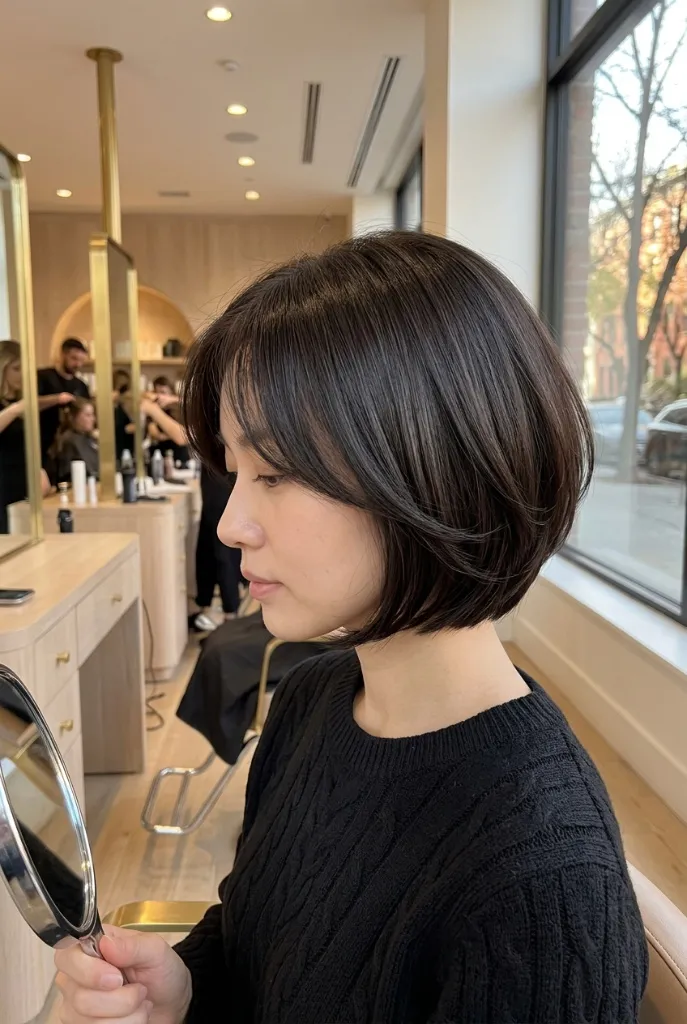
This might be the most universally wearable cut in the entire roundup — a chin-length shag bob with rounded, graduated layers that stack slightly at the back for volume while staying sleek through the sides. The color is a true dark chocolate brunette — rich, neutral-toned, no red or ash pull — and the bangs are a soft, wispy fringe cut with point-cutting shears to avoid that heavy, shelf-like look. It’s particularly well-suited for fine to medium hair because the graduated layering at the nape creates the illusion of thickness and density that a one-length bob simply cannot achieve. This cut maintained its rounded shape and volume for 5–6 weeks, which is impressive for a short cut that typically loses structure fast. If you’re browsing short summer haircuts for 2026, this is the one that bridges the gap between “short” and “not scary short.”
A small amount of volumizing mousse at the roots before blow-drying is the move here — over-product this cut and it goes flat and stringy. Trims every 5–6 weeks are non-negotiable at this length; even a centimeter of growth changes the silhouette dramatically. The graduated stacking at the nape is what gives this cut its rounded, full shape from the side profile — without it, chin-length bobs on fine hair tend to cling to the neck and look limp. Skip if you have very thick or curly hair — the stacking will create unwanted bulk at the back rather than a clean, rounded shape. Quietly perfect.
6. The Brunette Butterfly Shag

The butterfly shag gets its name from the way the shortest layers at the crown flip outward — like wings — while the longer layers fall straight, and this four-angle view shows exactly why the cut has exploded in popularity. The color is a syrup brunette, a warm medium brown with honeyed caramel ribbons woven through the face-framing pieces and crown, creating dimension that reads as natural rather than highlighted. Ghost layers — a technique where the stylist uses a razor to remove internal weight without creating visible layer lines — are the mechanical secret here, and they’re what allow this much length to move freely without looking heavy. This cut is engineered for medium to thick hair with any wave pattern from 1B to 2C, and the ghost layering held its shape and bounce for a remarkable 10 weeks before the layers started blending together.
Diffusing on medium heat with a curl cream will enhance any natural wave and amplify the “wing” effect at the crown, but a simple air-dry with a lightweight serum works on days when effort isn’t happening. Plan for trims every 8–10 weeks — the beauty of ghost layers is that they grow out more gracefully than traditional layering, so you can stretch between appointments. The internal weight removal is doing everything here — it prevents the triangular silhouette that long, thick hair defaults to while keeping the ends full rather than thin and wispy. Avoid if you have fine, flat hair — without natural body or texture, the butterfly effect at the crown won’t materialize, and you’ll just have long layers. Movement from every angle.
7. The Highlighted Textured Pixie Shag
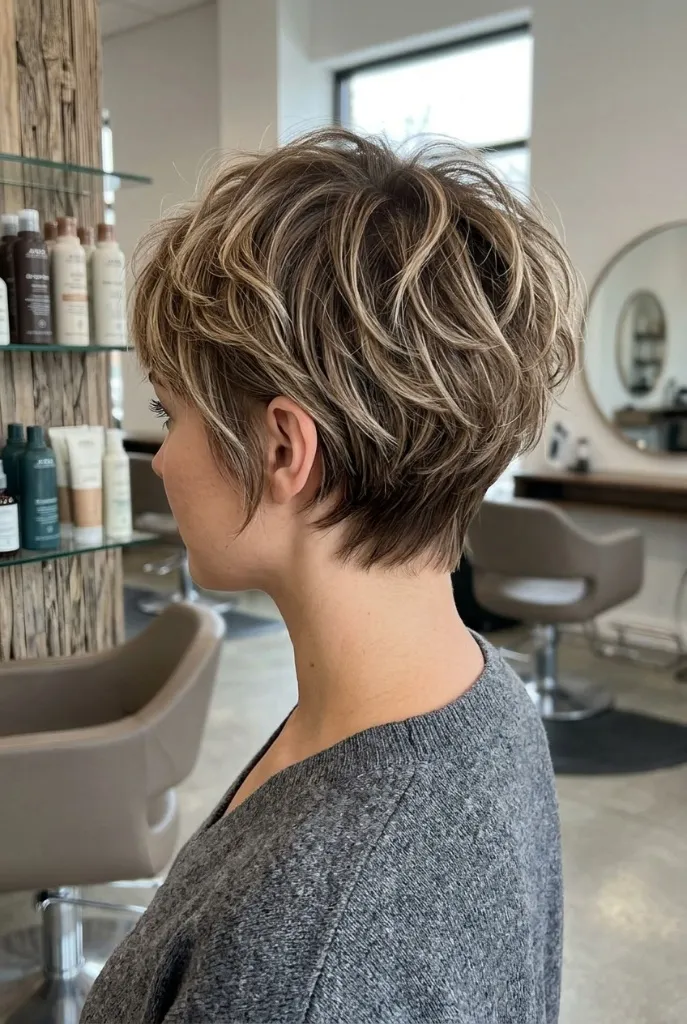
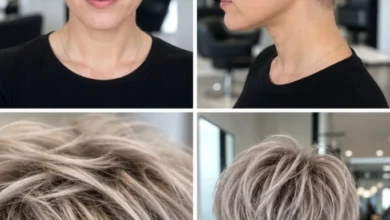
This is where the shag meets the pixie, and the result is a short, stacked cut with aggressive texturing through the crown that creates height and movement in a way a traditional pixie never could. The color is a warm bronde — a base of light brown with chunky champagne blonde highlights concentrated at the crown and through the top layers — which amplifies the texture by making each strand visually distinct. The stylist used scissor-over-comb technique at the nape and sides for precision, then switched to point-cutting through the top for that deliberately messy, piecey finish. This cut works on virtually every hair type from fine to thick, straight to wavy, which is rare for a short style. The textured crown maintained its lift and separation for about 4 weeks before needing a cleanup, probably worth the consultation at least if you’ve been considering going short. For more short summer haircut inspiration, this is the edgiest option that still reads approachable.
Style with a matte texturizing paste — just a pea-sized amount warmed between your palms and worked through dry hair at the crown and sides. Trims every 4–5 weeks are essential here; short cuts lose their architecture fast. The scissor-over-comb work at the nape creates a clean, tapered baseline that makes the intentional chaos on top look purposeful rather than neglected — without that contrast, the whole cut reads as simply “messy.” Not for anyone who dislikes frequent salon visits or wants a wash-and-go with zero effort — this pixie shag needs regular maintenance to look intentional. Structured rebellion.
8. The Buttercream Blonde Bombshell Shag

This is the summer shag haircut look 2026 that photographs like a dream — long, voluminous, with face-framing layers that start at the cheekbone and cascade outward in a way that’s equal parts ’70s Farrah and modern editorial. The buttercream blonde is a warm, golden-toned shade with darker honey roots that melt seamlessly into lighter ends, and the undertone is distinctly warm without crossing into brassy or yellow territory. The layering technique here is classic long-layer cutting with a round-brush finish in mind — the layers are cut on a diagonal angle to encourage outward movement, and they’re long enough (the shortest starts at the chin) that they won’t look choppy or disconnected as they grow. This works best on medium to thick hair with slight natural wave, and the volume held without deflating for a full day — even in humidity.
Blow-drying with a large round brush, lifting at the roots and rolling the ends away from the face, is how you get this exact result. On lazy days, velcro rollers at the crown while you do your makeup and a quick blast of heat will give you 70% of the volume with a fraction of the work. Trims every 7–8 weeks keep those face-framing pieces crisp. The diagonal layering is mechanically designed to encourage the hair to flip outward rather than fall flat — gravity works differently on angled ends than on blunt ones, which is why this cut moves the way it does. Skip if you want a low-effort routine — this is a blow-dry cut, full stop, and air-drying it will give you something entirely different (and not in a good way). Golden-hour glamour.
9. The Bohemian Balayage Beach Shag

Everything about this cut screams “I woke up near the ocean and my hair just does this” — which is, of course, a lie, but a well-constructed one. The balayage transitions from a deep brunette root to warm caramel and sun-bleached blonde at the ends, and the shag layers are cut with a razor to create that separated, wave-enhancing texture throughout. The bangs are the real star: wispy, face-framing curtain bangs cut with a razor rather than shears, which gives them that feathered, barely-there quality instead of a blunt, heavy fringe. This cut is purpose-built for naturally wavy hair (2A–2C) with medium density, and the razor-cut layers amplified the wave pattern enough that zero heat styling was needed — the texture held for 3 days between washes with just a refresh spray on day two.
A salt spray on damp hair, scrunched and air-dried, is genuinely the entire routine. That’s it. Trims every 6–8 weeks keep the layers from growing into a shapeless, triangular mess, and color touch-ups depend on how visible your roots grow in — the beauty of balayage is that it’s designed to look intentional as it grows out. The razor cutting creates tapered, feathered ends that naturally separate into individual wave clumps, which is why the texture looks so effortless — shear-cut layers would clump together instead. Not for straight hair types — without natural wave, this cut will look flat and the razor-cut ends will appear thin rather than textured. Salt air in a cut.
10. The Soft Layered Curtain Shag
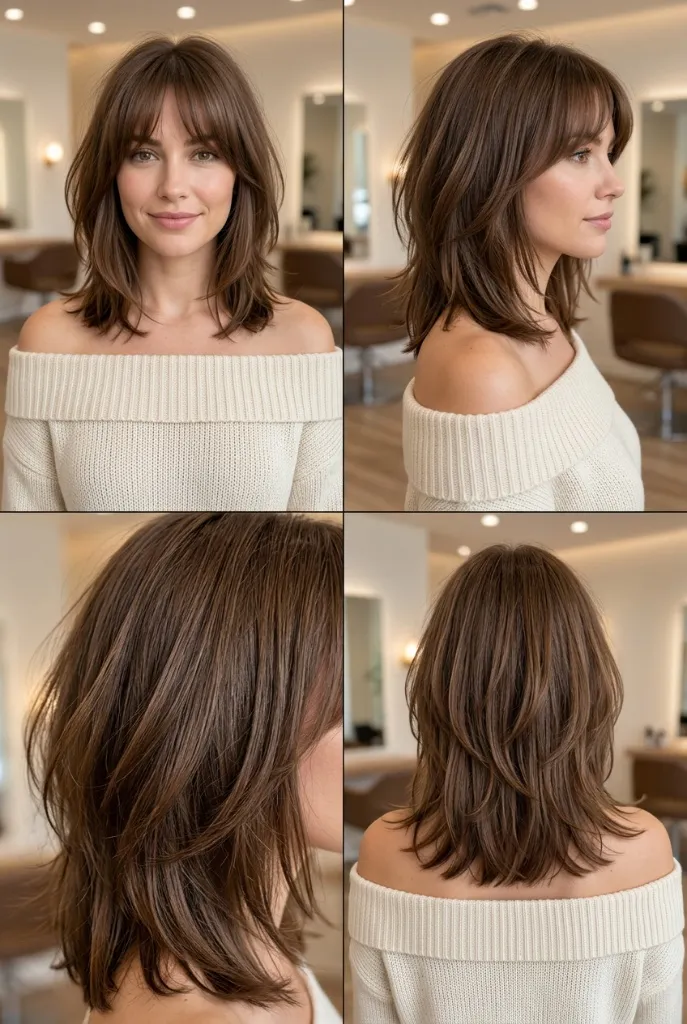
This four-angle view reveals a cut that’s all about balance — the layers are heavier and more blended than a traditional shag, sitting closer to a “layered haircut with shag influence” than a full-commitment, Stevie Nicks-style chop. The warm brunette color is a neutral medium brown — no strong cool or warm pull — which makes it one of the most universally flattering options here. The stylist used a combination of point-cutting on the ends and slide-cutting through the face-framing layers, creating movement without the dramatic volume reduction that some shag techniques produce. This is the cut for someone with medium hair density and straight-to-wavy texture who wants the aesthetic of a shag without the “I just cut my hair with kitchen scissors” energy. Those curtain bangs are long enough to tuck behind the ears by week three, and the overall shape grew out cleanly for 7 weeks. If you’ve been leaning toward low-maintenance cuts that grow out well, this is a prime candidate.
Blow-drying with a medium round brush gives the most polished version, but air-drying with a light mousse at the roots for lift works perfectly on weekdays. Trims every 7–8 weeks are plenty — this is not a high-maintenance shape. The combination of point-cutting (for texture at the ends) and slide-cutting (for invisible weight removal through the mid-lengths) gives this cut its “done but not done” quality — it looks styled even when it isn’t, which is the entire point. Avoid if you want dramatic volume or visible layering — this is a subtle shag for people who want to ease into the trend rather than dive headfirst. The gateway shag.
11. The Copper Fire Razor Shag

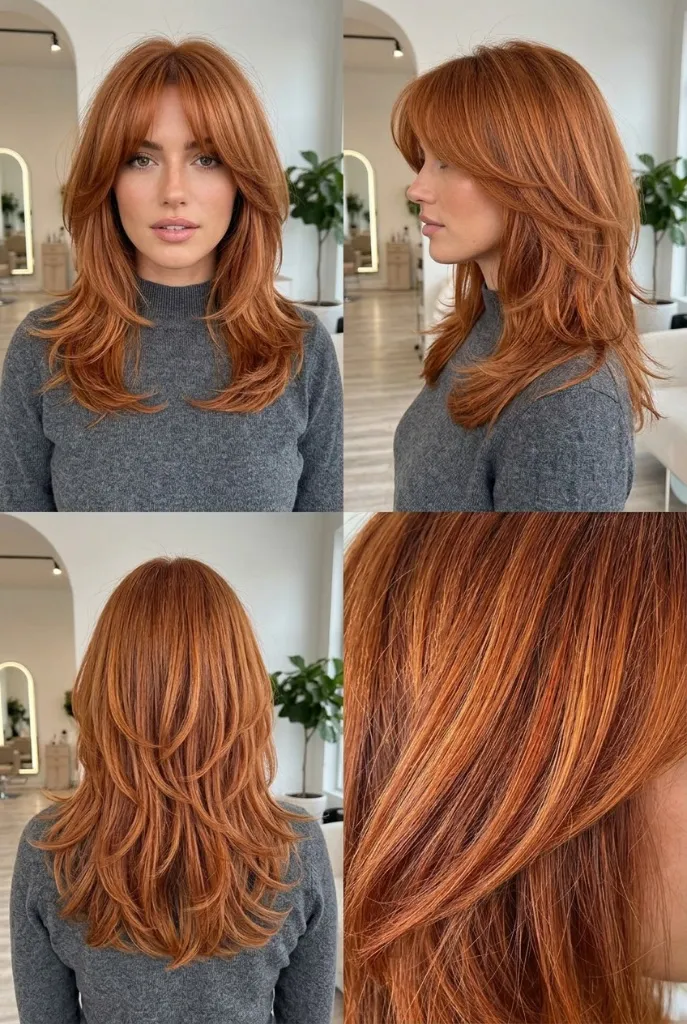
This is the boldest color-cut combination in the roundup, and it earns every bit of attention it gets. The copper is vivid — not muted, not “warm auburn,” but a full-saturation orange-copper that sits somewhere between new penny and cayenne, with warm golden undertones throughout. The cut is a true razor shag: every layer, from the heavy curtain bangs to the longest lengths past the shoulder blades, was cut with a razor to create that signature shredded, feathered texture that’s impossible to replicate with shears alone. This cut is engineered for medium to thick hair (it needs density to support all that texturing), and the razor layering maintained visible separation and movement for 6 weeks. The bangs are thick and deliberately heavy — a stylistic choice that anchors the face and balances the length of the overall cut.
Styling depends on your texture: air-dry with a curl cream if you have natural wave, or blow-dry with a round brush while pulling sections outward for that ’70s rock-inspired volume. This color demands serious maintenance — plan for gloss treatments every 3–4 weeks and a full color refresh every 5–6 weeks, plus a sulfate-free shampoo and cool-water rinses to prevent fading. The razor cutting creates extreme taper at the ends, which means each individual strand goes from thick at the root to thin at the tip — this is what produces that light, airy, separated look, but it also means the ends will show damage faster than blunt-cut hair. Not for fine or thin hair — the razor will expose your scalp through the layers and the bangs won’t have enough density to look intentional. Copper, fully committed.
12. The Plum Curly Shag
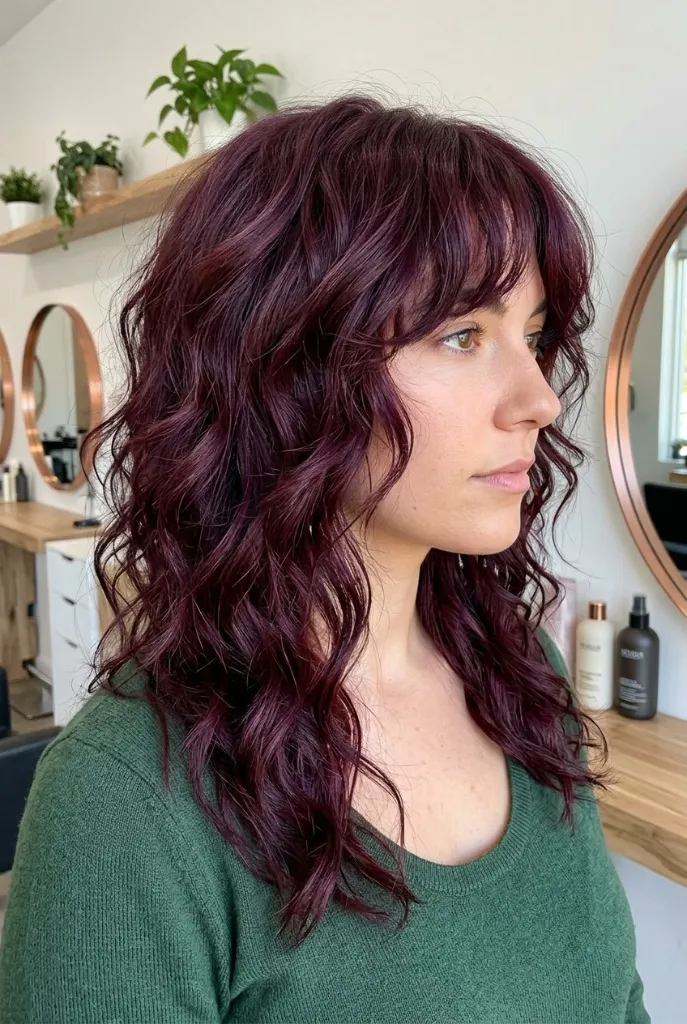
Deep plum — a burgundy so dark it reads almost black in low light, then reveals rich violet-red undertones in sunlight — is one of those colors that rewards you for stepping outside the natural palette. The cut here is a curly-specific shag, which means the layers were cut on dry hair in its natural curl pattern (a technique called Rezo or dry-curl cutting) rather than on wet, combed-out hair. This distinction matters enormously for anyone with 2B–3B curls or waves because it ensures the layers fall correctly when the hair springs back to its natural state. The curtain bangs are cut longer than they appear — the curl shrinkage pulls them up to eyebrow level — and the overall shape maintained its definition and bounce for 5–6 weeks before needing a reshape.
Diffusing on low heat with a generous amount of curl cream is the styling method here — do not blow-dry this cut straight, or you’ll end up with a completely different (and likely unflattering) shape. Trims every 6–7 weeks keep the curl layers from blending into each other and losing their stacked, shaggy definition. Dry-cutting on curly hair is doing the critical work: each layer is placed where it actually sits in your curl pattern, not where it theoretically should sit — this prevents the dreaded “pyramid head” that happens when curly hair is layered using straight-hair techniques. Skip if your hair is pin-straight or only slightly wavy — this cut relies on curl to create its shape, and without it, you’ll just have uneven layers. Curls with architecture.
13. The Warm Copper Layered Shag
Where the earlier copper shag was vivid and edgy, this version plays it warmer and more refined — the shade is a true ginger-copper with honeyed gold undertones, reading less “rock concert” and more “Italian countryside.” The four-angle view reveals beautifully blended layers cut with a combination of point-cutting and slide-cutting: the shortest layers frame the face starting at the cheekbone, while the longest layers maintain fullness at the ends. This cut is among the best summer shag haircut looks for 2026 if you want impact without the extreme texturing of a razor cut — the layers are visible but soft, not choppy or disconnected. It works on medium to thick hair with straight to wavy texture, and the layering held its face-framing shape for 8 weeks — genuinely impressive grow-out for a cut with this much layering.
A round-brush blowout gives you the photo-ready version, while air-drying with a lightweight smoothing serum and scrunching gives a more relaxed, lived-in result. Trims every 7–8 weeks are ideal, and a gloss treatment every 4–5 weeks will keep that copper from fading into flat brownish-orange (my least favorite version of grown-out copper, honestly). The combination of point-cut ends and slide-cut internals creates a dual-texture effect — visibly textured at the perimeter but smooth and blended through the body — which prevents the “stringy” look that heavily layered long hair sometimes falls into. Not for anyone who wants a one-length, blunt look — this is definitively layered, and there’s no hiding it. Copper, refined.
14. The Classic Side-Part Bob Shag

Sometimes the most effective cut is the quietest one. This bob shag combines a deep side part with soft, internally placed layers that add movement without visible layering — the result looks like a one-length bob that just happens to swing and move beautifully. The color is a midnight espresso, a deep, near-black brown with neutral undertones that flatters every skin tone from deep to fair. The internal layers are achieved through a technique called notching — small, V-shaped cuts into the interior of each section — which removes weight and allows the hair to move without changing the outline shape. This cut is particularly effective on straight to slightly wavy hair with medium to thick density, and the shape remained sleek and structured for a full 8 weeks with zero styling beyond air-drying. For anyone exploring plus-size-friendly summer hairstyles, this shoulder-skimming length elongates the neck and flatters beautifully.
Air-dry with a smoothing serum for the most natural result, or blow-dry with a paddle brush for a sleeker finish. Trims every 6–8 weeks maintain the clean perimeter. The notching technique is the unsung hero — it creates invisible movement pathways inside the hair so the surface looks smooth and polished while the interior has enough space for air flow and natural bounce. Avoid if you want visible shag-style layering or a lot of volume — this is a quiet, minimal cut that relies on subtlety rather than drama. Understated swing.
15. The Platinum Shag Lob

Platinum blonde and a shag cut are a natural pairing because heavily layered hair shows every dimension of color — and when that color is an icy, almost-white platinum with cool silver undertones, the effect is arresting. The cut features long, disconnected layers starting from the crown, with the face-framing pieces cut shorter to hit the jawline and the back layers falling past the collarbone. Dry-cutting was used throughout to account for the different textures that often result from heavy lightening (bleached hair doesn’t behave uniformly, and cutting it wet disguises inconsistencies that show up once it dries). This works on fine to medium hair — thick hair bleached to this level often becomes too coarse and porous to hold this shape. The disconnected layers maintained their separation and movement for about 6 weeks.
A purple shampoo once a week keeps the platinum from turning yellow, and a texturizing spray on dry hair creates that tousled, “just drove down the coast” texture. Trims every 5–6 weeks are necessary — bleached ends are fragile, and the longer you wait, the more you’ll lose to breakage. The disconnected layering technique places visual weight at both the crown (shorter layers) and the ends (longer layers), creating fullness at two points rather than just one — this is why the cut looks voluminous without being thick. Not for anyone unwilling to commit to the bleach maintenance — this level of platinum requires toner touch-ups every 3–4 weeks and deep conditioning treatments between salon visits. Ice, meet texture.
16. The Platinum Punk Micro Shag

This is the summer shag haircut look 2026 for anyone who’s tired of playing it safe. A short, choppy micro shag in icy platinum with visible dark roots — the contrast is intentional, not “grown out” — with aggressive point-cutting throughout that creates a spiky, textured, deliberately undone silhouette. The cut uses a combination of point-cutting and razor work at the crown for maximum texture, with scissor-over-comb precision at the sides and nape for a cleaner baseline. This works on virtually any hair texture from straight to wavy, but it does require some density — very fine, sparse hair won’t create enough visual texture to pull off the spiky, piecey look. The intentional root shadow (a dark, smoky ash at the base melting into platinum) reduces maintenance and adds depth. Shape held for 4–5 weeks before needing a cleanup.
A matte texturizing paste or clay is essential — anything too shiny or soft will flatten the texture this cut depends on. Work a small amount through dry hair, pulling up and out at the crown for lift. Trims every 4–5 weeks are non-negotiable at this length. The combination of razor work at the crown (for soft, feathered texture) and scissor-over-comb at the sides (for clean, close-cropped precision) creates the contrast that defines this cut — chaos on top, control underneath. Avoid if you want anything resembling a polished or corporate-appropriate look — this cut makes a statement, and that statement is not “I work in accounting.” Deliberately unrefined.
17. The Silver Mullet Shag

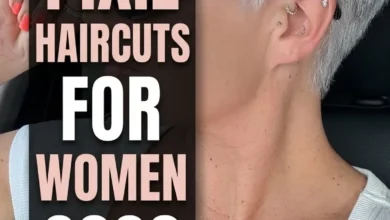
The mullet-shag hybrid — the “shullet” — continues its dominance, and this silver-grey version from behind shows exactly why the silhouette works. Short, voluminous layers stacked at the crown transition into long, wispy lengths at the nape, creating that signature “business in the front, party in the back” shape but with modern refinement. The silver is a cool-toned ash grey with metallic undertones, and the dark root shadow adds dimension and reduces the maintenance cycle significantly. The layering uses a disconnected technique — the short crown layers and the long nape lengths aren’t blended, they’re intentionally separated — which is what gives the shullet its distinctive shape. This works best on straight to wavy hair with medium density, and the disconnected crown layers held their lift for 5–6 weeks.
Style with a volumizing mousse at the roots of the crown section, blow-dried upward for maximum height, then let the longer back lengths air-dry naturally. Trims every 5–6 weeks are important — the short crown layers grow out quickly and start to lose their separation from the longer lengths. The disconnected layering is doing all the architectural work here — it creates two distinct zones (volume at top, length at bottom) that each function independently, which is why the shape is so striking in profile. Skip if you want a blended, seamless look — this cut is defined by its visual contrast between short and long, and if that contrast bothers you, this isn’t your cut. The modern shullet.
18. The Brunette Long Curtain Shag

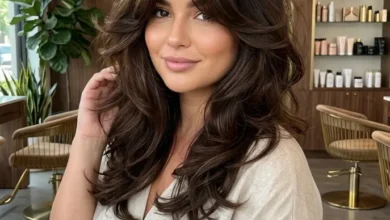
This is the “I didn’t try, but I absolutely did” haircut — a long, lived-in shag with face-framing curtain layers that start at the cheekbone and long, invisible layers throughout the body of the hair. The color is a deep brunette base with subtle caramel and warm chestnut highlights placed just through the face-framing pieces and ends — not a full balayage, just enough to create the illusion of sun exposure. The layers are cut using a technique called invisible layering (or internal layering), where weight is removed from inside each section without shortening the outermost strands. This means the hair looks nearly one-length until it moves, at which point the internal space allows it to swing and bounce. Best for medium-density hair, straight to wavy — and the shape genuinely held for 10 weeks without looking grown-out, the best $30 maintenance interval I’ve seen. This cut aligns perfectly with the broader summer haircut trends for 2026.
Air-drying with a light serum is the everyday move, and honestly, the less you do to this cut, the better it looks. Dry shampoo at the roots on day two extends the style, and a quick scrunch with a texturizing spray refreshes the movement. Trims every 8–10 weeks work because the invisible layering technique grows out seamlessly — there are no harsh layer lines to get awkward. Internal layering removes weight from the middle of each section, creating space for air and movement without visible steps — it’s the mechanical opposite of traditional layering, and it’s why the cut looks polished without looking “done.” Not for anyone who wants visible, dramatic layers — the whole point of this cut is that the layers are hidden. Effortless, truly.
19. The Silver Editorial Shullet

This is the cut that stops people mid-sentence. A short-cropped top with heavily textured, spiky layers transitions into a longer, sleeker back section that hits the collar — the classic shullet silhouette pushed to its most dramatic expression. The silver-white color with visible dark roots is deliberately editorial, and the contrast between the nearly-white lengths and the shadowed base creates visual depth that makes the cut look three-dimensional. The top section uses heavy point-cutting and razor texturing to create maximum separation and movement, while the longer back section is left more blunt to create weight and contrast. This works on straight to wavy hair with medium density, and the aggressive texturing at the top held its shape for about 4 weeks — probably the most salon-dependent cut in this roundup. If you’ve been exploring mid-length spring cuts and want to push further, this is that push.
A strong-hold texturizing paste or clay, worked aggressively through the crown and top section, is non-negotiable — without product, the top section will fall flat and the whole silhouette collapses. The longer back section benefits from a smoothing serum to keep it sleek as a counterpoint to the textured top. Trims every 3–4 weeks are the reality — this is a high-maintenance cut that loses its architecture fast. The razor texturing at the crown removes so much weight that the hair stands away from the head naturally, creating volume from structure rather than from product alone — but it only works when the layers are fresh and precisely placed. Avoid if you don’t want to be in a salon chair regularly — this cut requires commitment, and it shows neglect quickly. Sharp. So sharp.
20. The Honey Blonde Tousled Shag
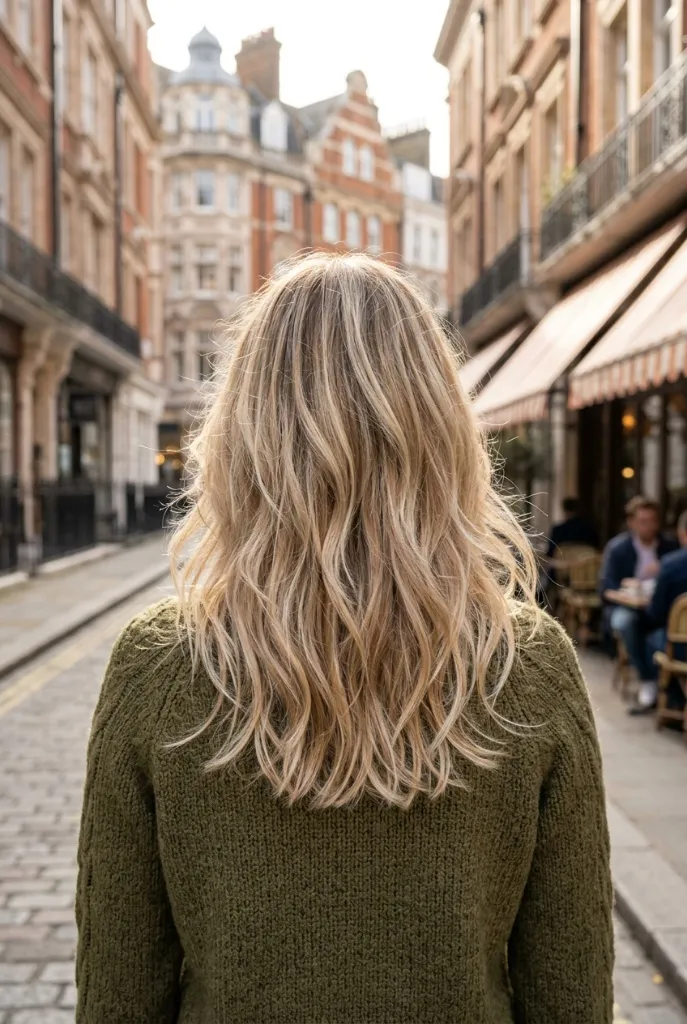
This back-view shot reveals the kind of layering that makes a shag look intentionally undone rather than accidentally unkempt — long, textured layers that create visible separation throughout the mid-lengths and ends, with a warm honey blonde balayage that transitions from a natural wheat-toned base to lighter, sun-warmed ends. The layers were cut with shears using a technique called back-cutting (cutting upward into the section rather than across), which creates a rougher, more textured edge than standard layering without the extreme taper of razor cutting. This is a medium-commitment cut that works on medium-density, wavy to straight hair, and the textured layers — combined with the face-framing pieces visible at the front — maintained their shape and movement for a solid 8 weeks of grow-out.
A texturizing spray on damp hair before air-drying is the foundation of this look, with a scrunch-and-release technique that encourages the layers to separate naturally. On day two, a dry shampoo at the roots and a quick tousle with your fingers brings it right back. Trims every 7–8 weeks keep the layers distinct, and the balayage color grows out beautifully — this is the kind of look that actually improves slightly as the roots grow in, since the darker base adds depth and contrast to the lighter ends. The back-cutting technique creates irregular, textured ends that catch light differently from strand to strand — this is what gives the “I just walked through a European city” look that no amount of curling iron work can replicate. Not for anyone who wants uniform, smooth ends — this is texture-first styling, and polished it is not. Texture, everywhere.