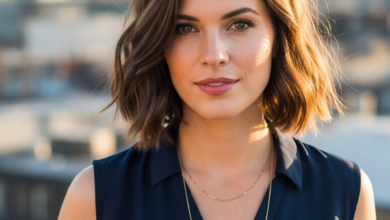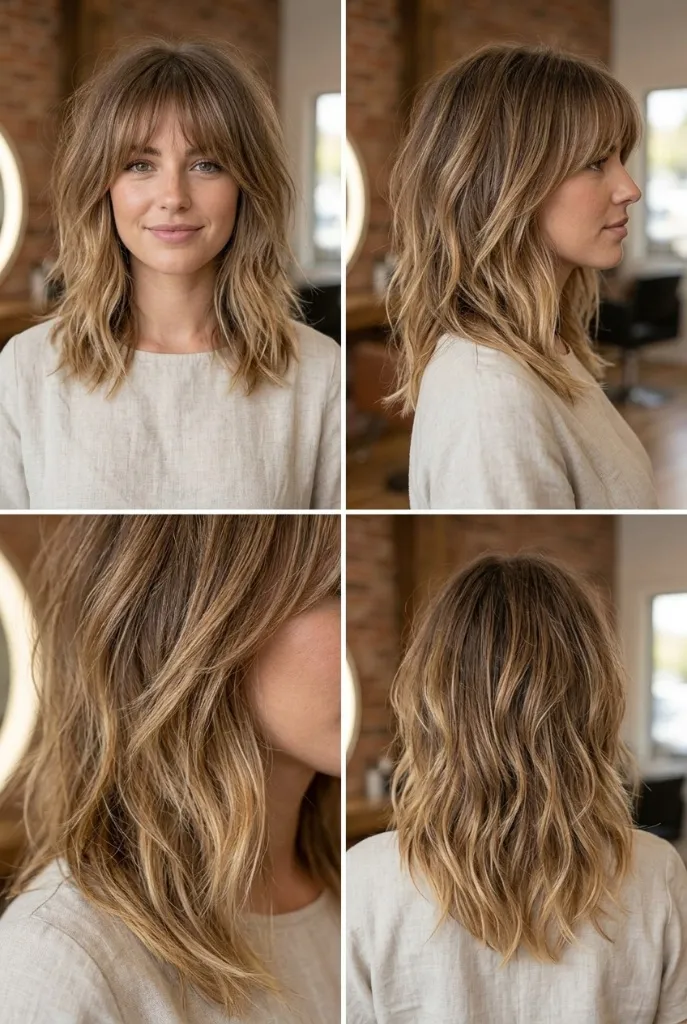
When Zendaya stepped out at the 2026 Met Gala with a razor-cut curtain bang framing her jaw — paired with a textured lob that moved like it had been air-dried on a beach somewhere — the internet collectively lost it. Within 48 hours, TikTok’s #BangSeason tag had 200 million views, and salons from Brooklyn to Berlin reported a 40% spike in bang consultations. The butterfly bang, the French fringe, the bottleneck bang — all suddenly back in heavy rotation, alongside the shag revival that refuses to die and the new “hush cut” lob that’s taken over every salon mood board. People are done with flat-ironed perfection and blunt, heavy curtains; they want movement, separation, and bangs that look like they grew that way naturally.
The summer hairstyles with bangs 2026 conversation this year spans everything from micro-fringes on pixie cuts to long, face-framing curtain layers that barely qualify as “bangs” in the traditional sense. We’re covering wispy bobs, layered shags, collarbone cuts with feathered fringes, and voluminous blowout styles built for humidity resistance. These work across thick, fine, wavy, curly, and coarse textures — and whether you have an oval, round, or heart-shaped face, there’s a bang-and-cut pairing here that earns its keep. If you’re exploring this year’s broader summer haircut trends, bangs are the single fastest way to refresh a cut without sacrificing length. The common thread? They all prioritize texture over polish, and they’re built for surviving heat, humidity, and the kind of life where you don’t have 45 minutes with a round brush every morning.
I avoided bangs for six years. Six. I’d been burned by a too-thick, too-short fringe in 2019 that took 14 months to grow out, and I swore them off entirely — like some kind of hair-related PTSD. Then last March, on a whim (and maybe a glass of wine), I asked my stylist for a soft curtain bang. Two snips, some point-cutting, and suddenly my entire face looked different — lifted, more defined, like I’d gotten filler but actually just redistributed some hair. That’s when I realized bangs aren’t the problem; bad bang execution is the problem.
1. The Soft-Sculpted Curtain Lob

This shoulder-grazing lob gets its shape from internal point-cutting — the stylist removes weight from inside the hair shaft rather than cutting into the perimeter — which allows the ends to bend inward naturally without heat styling. It works best on medium-density, straight-to-wavy hair (1C through 2B), and the curtain bang here is cut dry, tapering from cheekbone length at the center to jaw length at the sides. The slight inward curl at the ends held its shape for 3 full days between washes on my 2A hair, which is the kind of longevity that justifies the cut entirely. The color is a deep midnight espresso — cool-toned, almost blue-black in certain light — that makes the movement visible without any highlights.
Style with a lightweight smoothing serum on damp hair, blow-dry with a medium round brush focusing on the ends (curl them under for that bend), and let the bangs air-dry with finger-direction only. Expect trims every 5–6 weeks to keep the bang from going eye-pokey, and a full reshape every 10–12 weeks. Internal point-cutting removes bulk without losing density at the perimeter, so the shape holds its structure longer than a blunt cut would. Skip if your hair is very thick and coarse — this technique won’t remove enough weight, and you’ll end up with a helmet shape rather than a lob that moves. If you have a round face and want more options, the curtain placement here actually works well for creating vertical dimension. Understated precision.
2. The Caramel-Ribboned Butterfly Layer
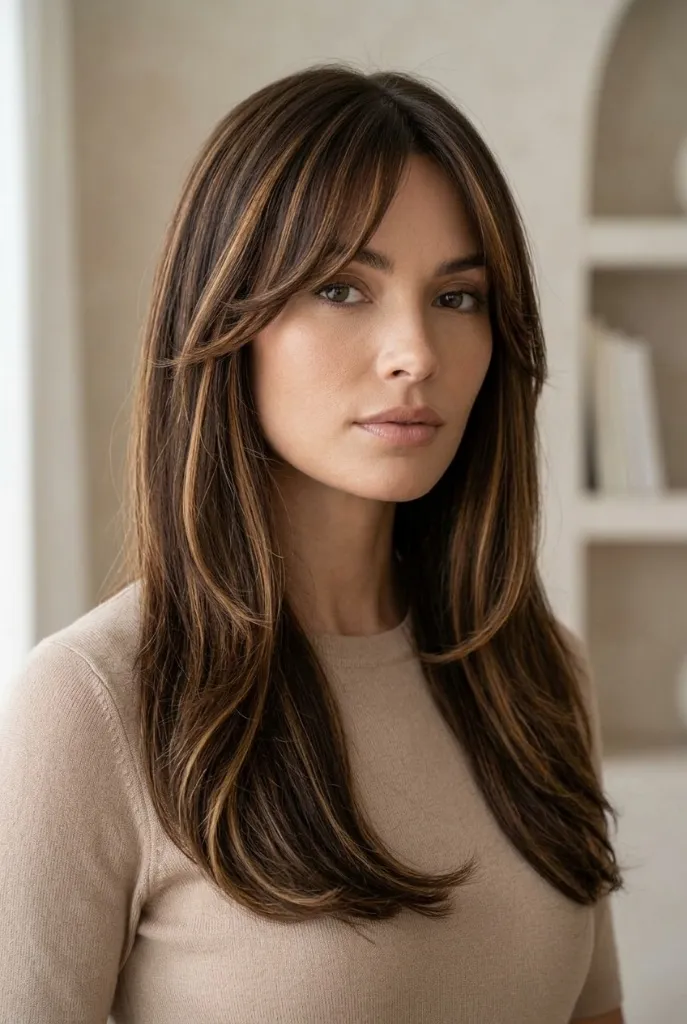
The defining technique here is disconnected layering — the shortest layer sits at the collarbone while the longest extends well past the chest — creating that “butterfly” silhouette where volume concentrates at the face and mid-lengths before tapering out. This is engineered for medium-to-thick hair with some natural wave (2A–2C), and the curtain bang is razor-cut at an angle to create that wispy, piecey separation rather than a solid sheet of hair. On thick hair, the disconnection between layers held its blowout shape through a full workday plus a dinner — roughly 14 hours before it started deflating. The color plays a huge role: a syrup brunette base with caramel ribbon highlights threaded from mid-shaft to ends, warm-toned without veering orange.
Apply a volumizing mousse to roots and mid-lengths before blow-drying, then use a large-barrel round brush to create that flip at the collarbone layer. The bang gets a quick pass with a flat brush — nothing more. Trims every 6–8 weeks keep the layers from blending into each other (which defeats the entire purpose of disconnection), and the bang needs attention every 4 weeks. Disconnected layering creates deliberate negative space between lengths, which is mechanically how the volume-then-taper silhouette works — without it, layers just blend and the butterfly effect disappears. Not for fine, thin hair — the disconnection will look sparse rather than intentional, and you’ll lose the fullness this cut depends on. The movement is everything.
3. The Deep Plum Precision Bob
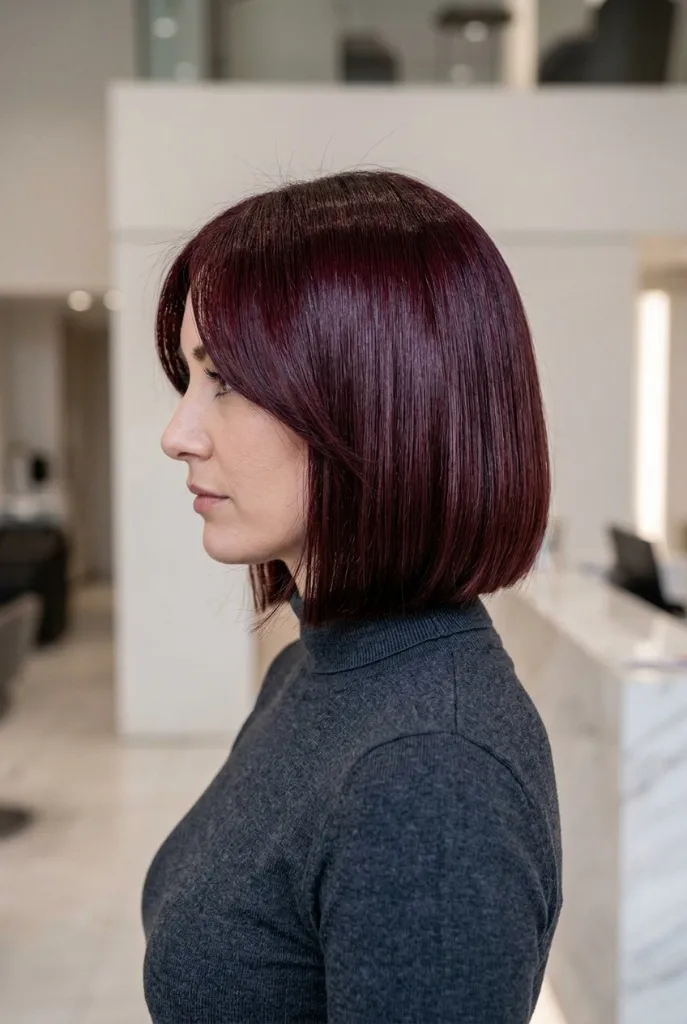
This is a one-length blunt bob — no layers, no graduation, just a perfectly level perimeter cut with zero-elevation sectioning — paired with a micro bang that sits a full inch above the eyebrows. The technique demands precision: each section is cut at zero degrees from the head, creating a dense, heavy line that swings with weight rather than movement. It’s built for straight, fine-to-medium density hair (1A–1C) where that glass-like finish is achievable without excessive heat. The color is what elevates it from basic to arresting — a deep cherry cola with violet undertones, the kind of saturated plum that catches light like liquid rather than matte fabric.
Styling is straightforward but non-negotiable: blow-dry pin-straight with a paddle brush, follow with a flat iron on low heat for that mirror finish, and seal with a smoothing serum that adds shine without weight. You’re committing to trims every 4–5 weeks — blunt bobs show growth immediately, and uneven ends ruin the entire geometric effect. The zero-elevation cut creates maximum density at the perimeter, which is why the bob feels heavy and swings rather than sitting limply — it’s physics, not magic. Avoid if you have wavy or curly hair and don’t want to flat-iron daily; this cut does nothing for you without heat styling. Also skip if you’re exploring low-maintenance cuts that grow out well — this requires upkeep. Sharp. So sharp.
4. The Ash-Toned Blunt Fringe Bob
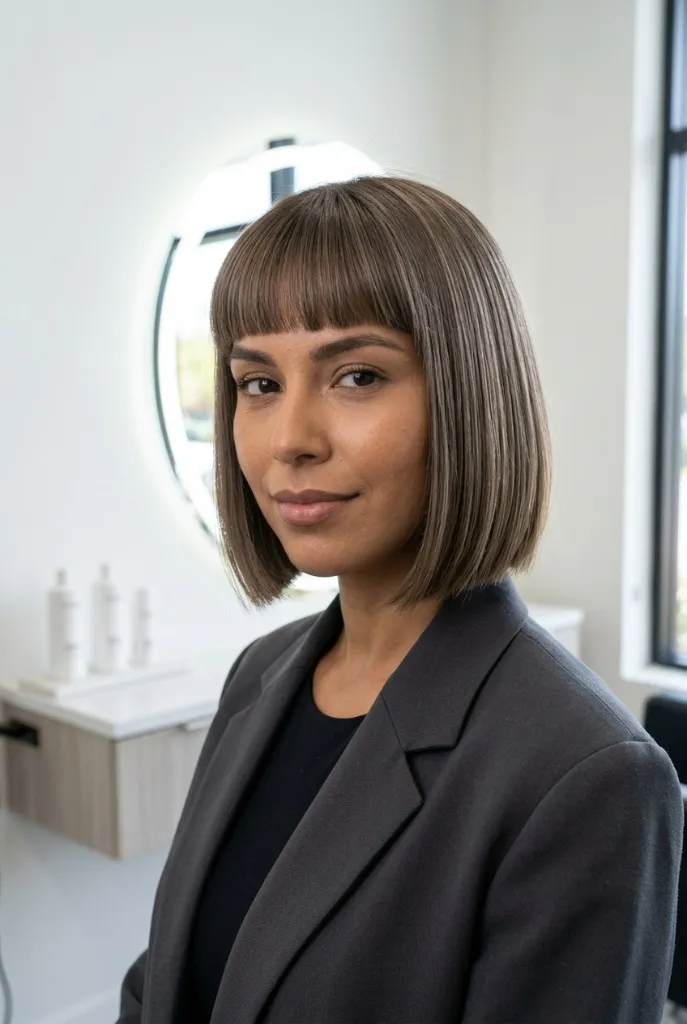
Here’s the blunt bob’s cooler, softer cousin — still one-length, still precision-cut at zero elevation, but the full fringe across the forehead adds a graphic quality that transforms it from “polished professional” to “art gallery director.” The bang is cut blunt and thick, using a scissor-over-comb technique at the very bottom edge to create the slightest softness without visible texture. This works on straight, fine-to-medium hair with moderate density — you need enough hair to fill the bang without it looking thin, but not so much that it poofs forward. The color is mushroom bronde — that perfect ashy middle ground between brunette and blonde, with cool grey undertones that read incredibly modern against warm skin tones.
A paddle brush blowout gets you 80% there; a single pass with a flat iron on the ends and bang finishes the look. Use a dry shampoo on day two at the roots to maintain that clean line. Trims every 4–5 weeks for the bang (it grows into your eyes fast) and every 6 weeks for the bob perimeter. The blunt perimeter creates weight distribution that makes fine hair look thicker — there’s no tapering to thin out the ends — which is mechanically why this bob works on lower-density hair where layered cuts would look stringy. Not for anyone with cowlicks at the forehead or a strong wave pattern — you’ll fight the bang every single morning, and you won’t win. Minimalist perfection.
5. The Warm Brunette French Fringe Bob
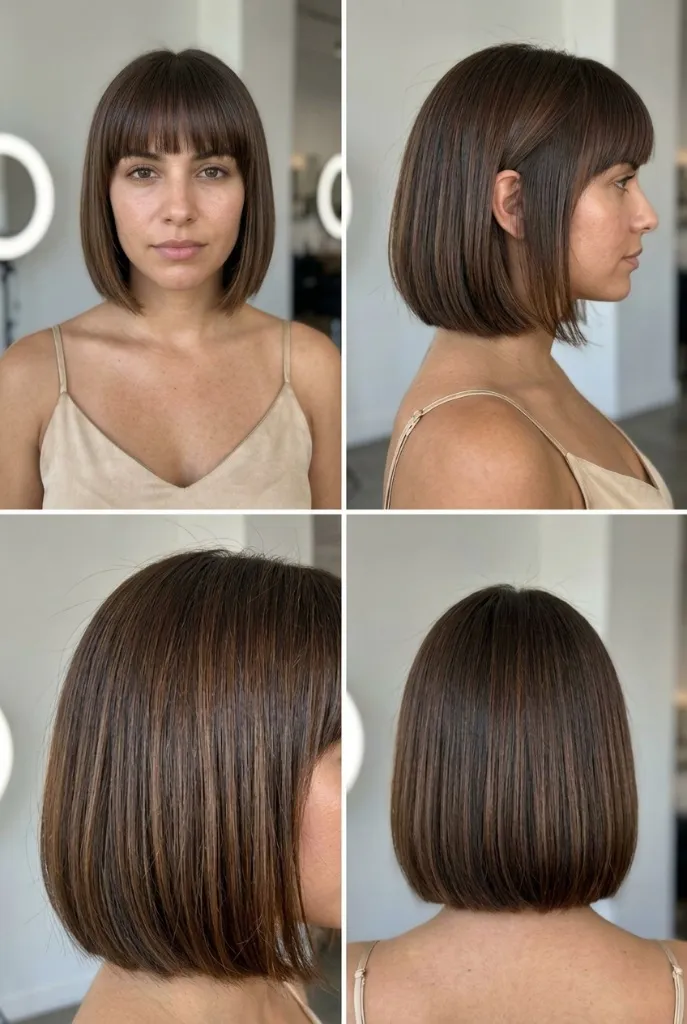
This chin-length bob uses a combination of blunt perimeter cutting with subtle internal graduation — weight is removed from underneath while the outline stays perfectly level — creating a shape that appears thick and full without actually feeling heavy on the head. The French fringe (denser than a curtain bang, softer than a blunt bang) is cut with slight point-cutting at the tips only, allowing individual strands to separate naturally. Built for straight to slightly wavy hair (1B–2A) with medium-to-thick density. The graduation held its rounded shape through humidity that would normally make my hair expand sideways, maintaining structure for a solid week between washes. The color is a warm chestnut — honeyed mid-tones over a neutral brown base — that catches summer light without looking highlighted.
Style by blow-drying with a round brush, curving sections inward at the jaw for that tucked effect visible in the side view. A light texturizing paste scrunched through the mid-lengths adds separation without crunch. Trims every 5–6 weeks; the graduated interior means growth shows slower than a true one-length bob. Internal graduation removes weight from beneath the surface while preserving perimeter density — this is how the bob stays full-looking without expanding outward in heat. Skip if your hair is very fine and thin — you won’t have enough interior density to graduate, and the bob will look flat rather than rounded. If you’re considering something slightly longer, collarbone-length cuts offer a similar structured vibe with more versatility. The structure speaks.
6. The Beachy Blonde Wispy Fringe
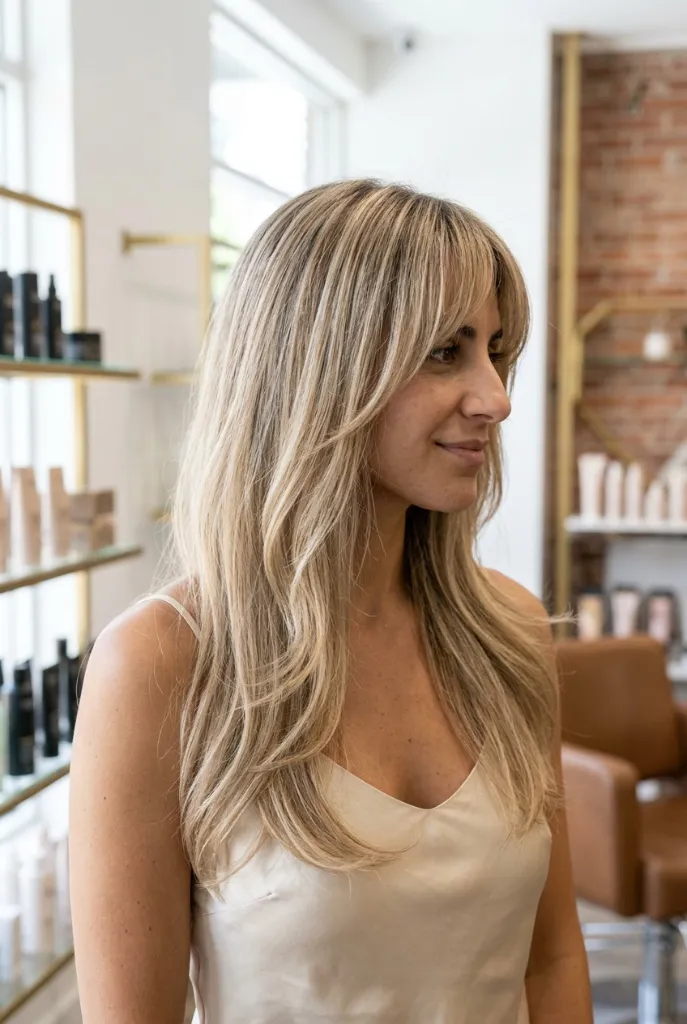
The wispy bang here is achieved through slide-cutting — the shears slide down the hair shaft at an angle rather than cutting straight across — creating those transparent, feathered pieces that barely cover the forehead. It’s the lightest possible bang commitment, and it’s paired with long, unstyled lengths that have minimal layering (just a few face-framing pieces). This is ideal for fine-to-medium, straight-to-wavy hair where a heavy bang would overwhelm the density. On fine hair especially, slide-cut bangs allowed air-drying without any separation anxiety — the pieces fell naturally and looked intentional for 3+ days without restyling. The color is champagne blonde — icy at the roots, warming to a buttery mid-tone, with visible natural base peeking through in that lived-in way that screams “I summer in the south of France” (or maybe just my favorite kind of chic, honestly).
This is an air-dry situation. Apply a salt spray to damp lengths, scrunch once, walk away. The bang gets finger-styled while damp and left alone. That’s it. Trims every 6–8 weeks for the lengths, every 4–5 for the bang since slide-cut ends grow out transparently and start disappearing. Slide-cutting creates tapered, whisper-thin ends that naturally blend with the forehead — mechanically, this is why the bang looks “barely there” rather than a definitive line. Not for thick, coarse hair — slide-cutting won’t thin it enough, and you’ll end up with a bang that looks full rather than wispy, defeating the entire purpose. The air-dry dream.
7. The Copper Shag with Curtain Fringe

This is a proper shag — razored throughout with short layers starting at the crown and longer layers extending past the shoulders — and the curtain fringe is the longest layer’s starting point, blending seamlessly from face frame into the overall shape. Razoring creates that choppy, piece-y texture that’s impossible to achieve with shears alone; each strand has a tapered end rather than a blunt one. Works across nearly all textures (2A–3A) and medium-to-thick density — the razoring removes enough bulk from thick hair while creating movement in medium hair. The razored layers maintained their separation and movement through two full days of humidity without frizzing into each other, which is genuinely impressive for a textured cut. The color is pure apricot crush — a warm, golden copper that’s neither red nor blonde but something entirely its own, with slightly darker roots adding dimension.
Diffuse on medium heat with a curl cream for the wave pattern, or air-dry with a texturizing paste for that undone, slept-in look. The shag is among the most forgiving cuts for grow-out — schedule trims every 8–10 weeks, since the graduated lengths mean growth blends rather than showing. Razoring creates tapered ends that naturally separate and move independently, which is the mechanical reason shags look effortless — each strand behaves individually rather than clumping. Avoid if you have very fine hair below medium density; razoring can make fine strands look stringy and thin rather than textured and full. Shag perfection.
8. The Voluminous Ash Brunette Curtain Blowout
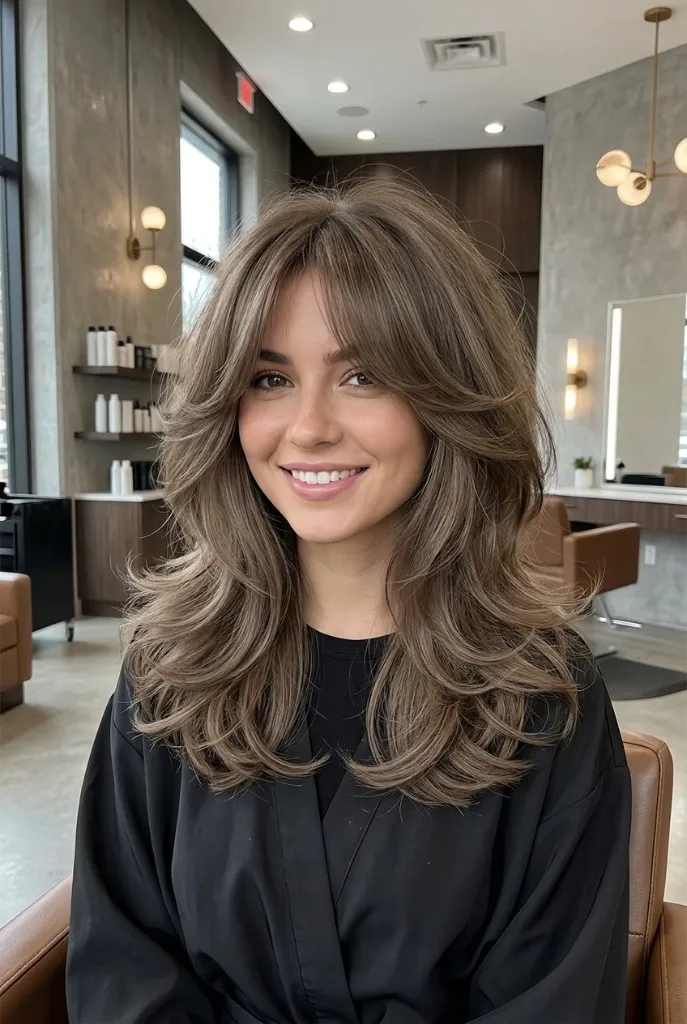
The volume here comes from a specific layering approach — C-shaped layers, where each layer curves inward slightly at the cut point, creating a natural bounce-back effect rather than flat-falling lengths. The curtain bang is integrated into the shortest face-framing layer, dried away from the face with a round brush for that Farrah-adjacent sweep. This is built for medium-to-thick, straight-to-wavy hair (1C–2B) where blowout volume is achievable and maintainable. C-shaped layers framed the face and maintained their bounce for 2 full days before gradually dropping into a softer, still-pretty shape on day 3. The color is smoky ash brunette — a cool-toned brown with grey-violet undertones that reads sophisticated rather than warm, giving the voluminous shape a modern edge rather than a retro one.
Blow-dry with a large round brush, over-directing each section at the root for lift, then curving the brush inward at the ends. A root-lifting mousse before drying is non-negotiable — the volume depends on it. Set the front pieces with a velcro roller while you finish makeup for extra bang sweep. Trims every 6–7 weeks keep the layers from weighing each other down. C-shaped layering creates mechanical memory in the hair’s movement direction — each layer is trained to curve inward, which is why the blowout “bounces” rather than falling flat. Not for anyone who exclusively air-dries; this cut needs a blowout to look right, period. If a more summer-friendly plus-size framing style interests you, this volume creates proportional balance well. Volume, meet wave.
9. The Warm Chestnut Feathered Mid-Length
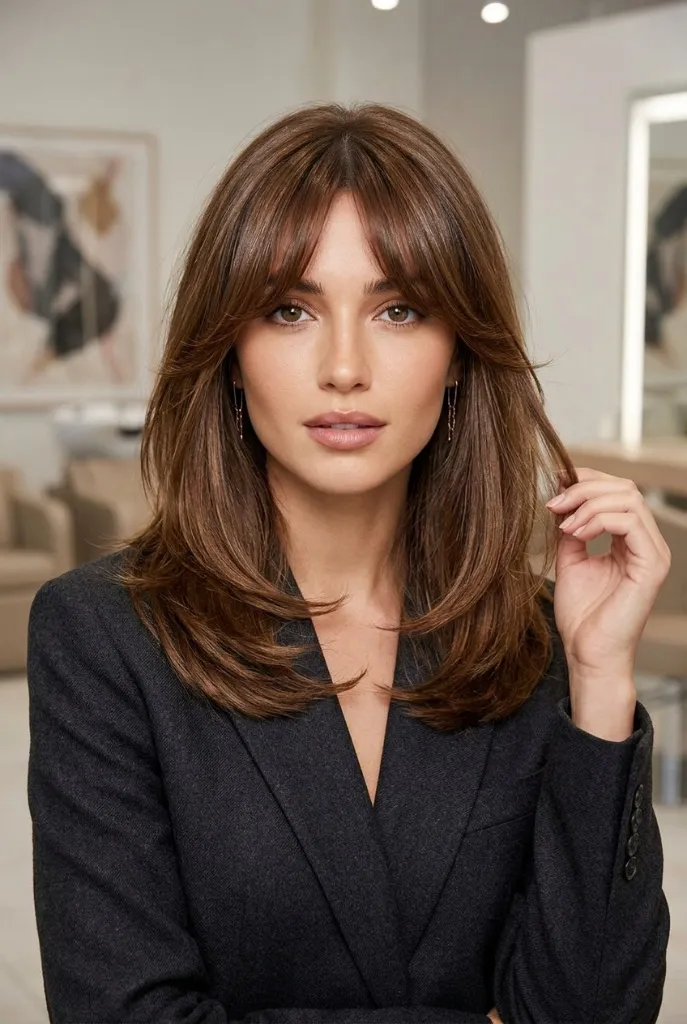
Feathered layers — cut with the shears angled outward away from the head rather than straight across — create that signature flip at the ends that defines this mid-length cut. The face-framing bang pieces are cut using the same technique, falling in a swept, open shape that shows the forehead rather than covering it. This works on straight to lightly wavy hair (1B–2A) with medium density, and the feathering technique particularly suits people whose hair tends to fall flat, since the angled ends create the illusion of movement even without styling. The flipped ends maintained their direction for a full day and settled into a softer, straighter shape by day 2 — still polished, just less deliberate. The color is warm chestnut with subtle caramel face-framing pieces, honeyed in tone without being overtly highlighted.
Blow-dry with a medium round brush, flipping the ends outward at the mid-length and inward at the bang — that directional contrast is what makes it look styled rather than accidental. A light smoothing serum keeps the flip from frizzing in humidity. Trims every 6–7 weeks; feathered ends grow out less dramatically than blunt cuts since they already have a soft edge. The outward-angled cutting technique creates ends that naturally lift away from the face and shoulders, which is mechanically why the “feathered” effect happens without aggressive styling. Skip if your hair is thick and coarse — feathering will create too much volume at the ends, producing a triangle silhouette rather than a polished flip. This pairs well with mid-length cuts trending for spring-to-summer transitions. Effortless, truly.
10. The Textured Bronde Shag with Wispy Bang
This is a textured shag with heavy layering throughout — dry-cut to see exactly where each piece falls at its natural weight — and the wispy bang is barely there, cut transparently to let the forehead show through. Dry-cutting means the stylist cuts the hair in its natural state (no tension, no wetness pulling it longer than it actually hangs), which eliminates that “too short when it dries” surprise. It’s engineered for wavy-to-curly hair (2B–3A) with medium density, where the natural texture does the styling work. The dry-cut layers kept their textured separation through 3 days without restyling — just a scrunch with water on day 2 brought everything back to life. The color is a true bronde balayage — mushroom brown roots melting into linen blonde at the mid-lengths and ends, ashy and cool throughout.
Air-dry with a curl cream for defined waves, or diffuse for more volume at the crown. A salt spray adds grip if your texture is on the straighter side of wavy. This is genuinely a low-maintenance summer cut — trims every 8–10 weeks, since shag layers grow into longer shag layers rather than losing shape entirely. Dry-cutting ensures each layer falls exactly where the stylist intends it, eliminating shrinkage surprises — this is mechanically critical for wavy and curly textures where wet-cutting creates false length. Not for anyone who wants a polished, smooth finish — this cut is designed to look undone, and fighting that with a flat iron defeats its architecture. Embrace the texture.
11. The Jet Black Straight Fringe

There’s nothing complicated about the technique here — and that’s the point. This is a one-length cut with no layers, paired with a full, dense fringe cut straight across at eyebrow level using blunt shears with zero point-cutting. The weight of the hair is preserved entirely, creating a heavy, liquid fall that moves as one piece. This is for naturally straight, medium-to-thick hair (1A–1B) with enough density to support a full bang without revealing the scalp. The blunt fringe stayed perfectly in place from morning through evening — no splitting, no curtain-parting — which is the payoff of cutting it thick enough (probably worth the consultation to discuss density with your stylist). The color is pure jet black — no dimension, no undertones, just saturated depth that makes the blunt lines look even more architectural.
Blow-dry straight with a paddle brush, or honestly, let it air-dry and just flat-iron the bang for 30 seconds. A smoothing serum is your one product — it controls flyaways and adds that mirror-like finish. Trims every 3–4 weeks for the bang (this is the most high-maintenance bang style, no way around it) and every 8 weeks for the length. The blunt, one-length cut creates maximum weight and density at the perimeter, which mechanically produces that heavy-falling, swinging movement — layers would compromise it entirely. Avoid if your hair has any natural wave or curl; you’ll be married to your flat iron, and even then, humidity will win eventually. Also not for fine, thin hair — a full bang needs density to look dense. The definition is everything.
12. The Golden Curl Fringe Bob
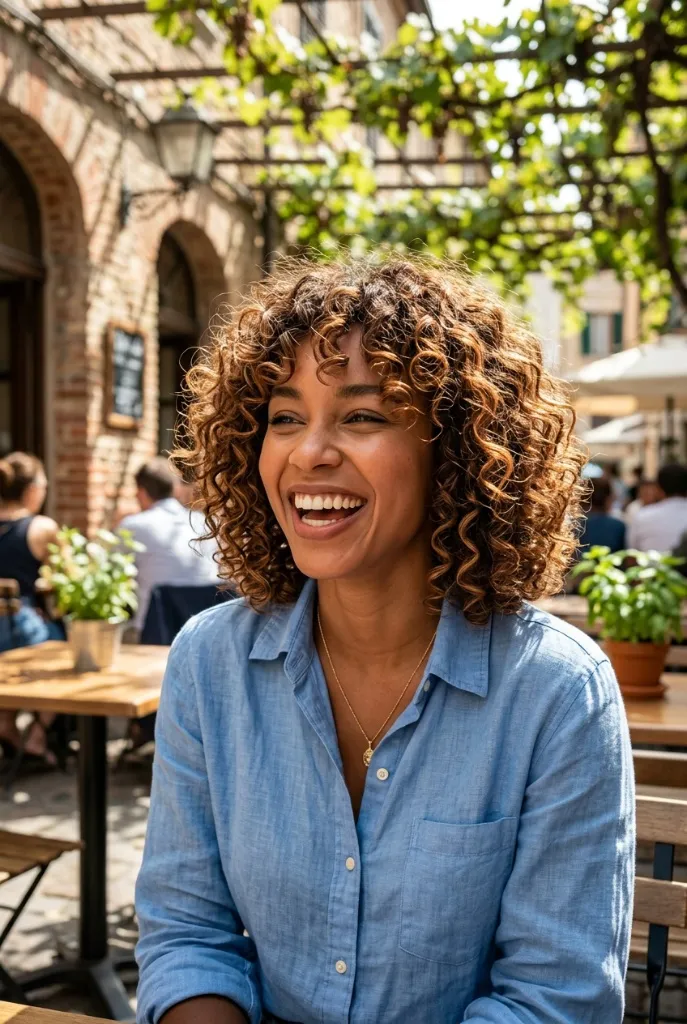
Curly bangs require a completely different cutting philosophy — each curl is cut individually, spring by spring, in its fully dried and styled state, using the “curl-by-curl” technique rather than sectioning with a comb and cutting across. This ensures the bang sits at the right length when curled rather than shrinking up after drying. The bob itself is shaped using the same method, creating a rounded silhouette where every curl has its own space to form. Built exclusively for type 3A–3B curls with medium-to-high density. The curl-by-curl cut maintained its shape beautifully through multiple wash-and-go cycles — the curls formed consistently without any weird stragglers for about 4 weeks before needing a reshape. The color is golden caramel — warm, honeyed tones throughout that catch sunlight and make each individual curl visible and defined.
Apply curl cream to soaking-wet hair, scrunch upward, and either diffuse or air-dry completely. Do not touch it while it dries. That’s the entire routine. Trims every 8–10 weeks with a curl specialist (this is non-negotiable — a stylist who cuts curls wet will ruin this). The curl-by-curl technique accounts for each spring’s individual shrinkage pattern, which is mechanically why every curl sits at the right length rather than some being too short and others too long. Skip if you have type 2 waves — this technique is designed for defined coils, not loose undulation. Also skip if your curl pattern is uneven throughout your head unless you specifically discuss this with a curl specialist. Embrace the curl.
13. The Shaggy Honey Balayage with Heavy Fringe
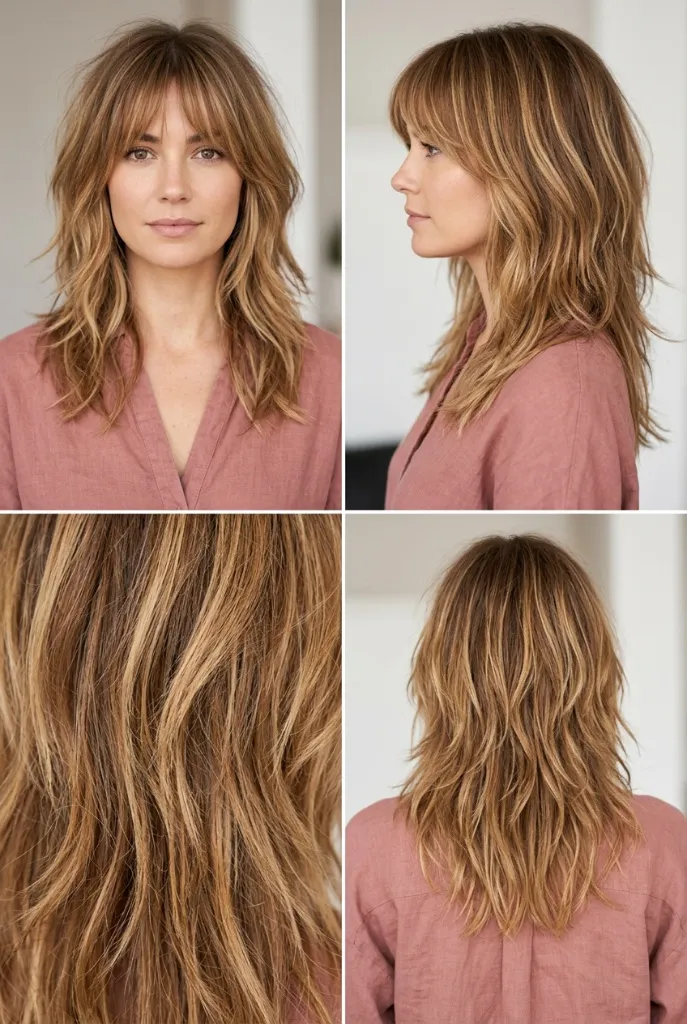
This is a long shag with face-framing layers starting at the cheekbone and the longest layers hanging to the mid-back — the distinction from a standard layered cut is the amount of disconnection and the heavy texturizing through the ends via razor-cutting. The bang is substantial — not wispy, not transparent — but cut with a center-part intention so it falls in two heavy curtains. This works on medium-to-thick, wavy hair (2A–2C) where there’s enough density to support both the heavy bang and the shaggy layers without looking thin anywhere. The heavy layers maintained their piecey, separated texture through 3 days of summer heat — which is all my fine hair can handle before needing a refresh (though on thicker hair, you’d likely get 4–5). The color is a honey-over-bronde balayage — darker, cooler roots transitioning to warm golden honey at the mid-lengths, with the lightest pieces concentrated around the face and bang.
Style by scrunching a texturizing paste through damp hair and letting it air-dry, or diffuse if you want more defined waves. The heavy bang gets blow-dried with a round brush, split at center, and curved away from the face — the weight of the bang helps it stay put. Trims every 7–8 weeks; the shag architecture means growth integrates rather than creating awkward stages. Razor-cutting creates individually tapered ends that separate and move independently, giving the “I haven’t styled this” effect that actually requires a very intentional cut to achieve. Not for fine hair with low density — the heavy bang will look sparse and the layers will look stringy. Also skip if you want something sleek and polished; this cut’s entire personality is undone texture. Finally, a shag that moves.
14. The Silver Pixie with Textured Fringe
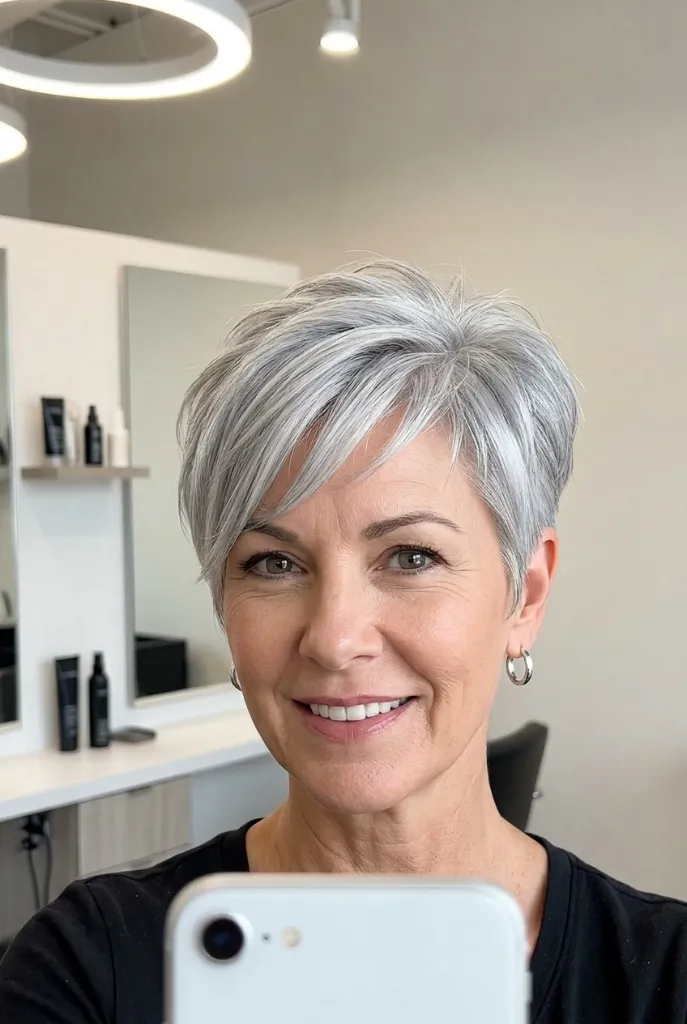
This pixie uses a combination of scissor-over-comb on the sides and back — gradually tapering from the crown down to the nape — with point-cut texture through the top and bang area for that soft, piece-y finish. The fringe is textured and directional, swept to one side with enough length to cover part of the forehead without committing to a full bang. This is built for fine-to-medium straight hair (1A–1C) and works particularly well on silver and grey tones where the individual strand separation created by point-cutting becomes visible and adds dimension. The tapered sides stayed clean for a solid 5 weeks before needing cleanup, which is excellent for a pixie. The color — or rather, the embrace of natural silver — is allowed to shine here with a slightly cool, almost icy undertone enhanced by a purple shampoo regimen.
Style with a small amount of texturizing paste warmed between palms and worked through the top and bang, directing pieces where you want them. Blow-dry optional — at this length, air-drying takes minutes. A purple shampoo once weekly keeps the silver from yellowing. Trims every 4–5 weeks to maintain the tapered shape; pixies grow out fast and lose their architecture quickly. Scissor-over-comb creates a seamless taper from longer to shorter without visible lines, which is mechanically what makes the sides look polished rather than shaved. If you’re considering more short summer haircut options, a pixie with fringe offers the most versatility in the short-hair category. Skip if you have thick, coarse hair — the sides will stick out rather than lying flat against the head without heavy product or daily restyling. Chic, perpetually.
15. The Platinum Wisp Pixie
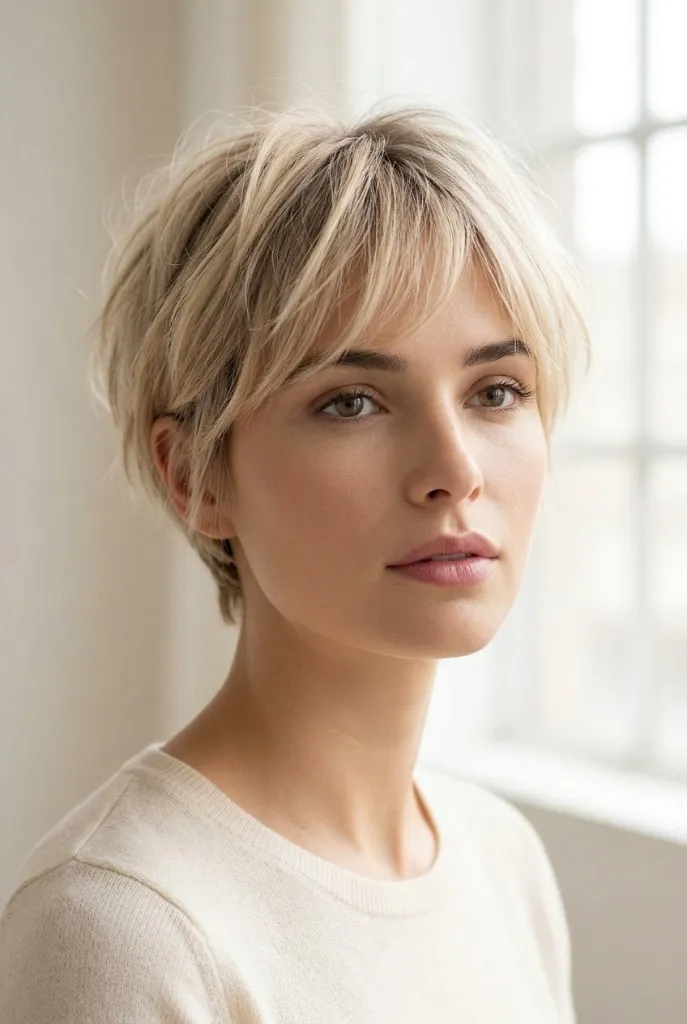
This pixie is longer through the top than the previous — almost a short crop territory — with the bang falling in soft, wispy pieces across the forehead via slide-cutting. The sides and back are cut with point-cutting rather than a hard taper, creating softness at the edges rather than a sharp perimeter. The overall effect is romantic rather than edgy — a pixie that whispers rather than shouts. Works best on fine, straight-to-slightly-wavy hair (1A–2A) with low-to-medium density, where the transparency of the slide-cut bang creates a delicate, editorial quality. The soft layers around the face held their shape for nearly a week without restyling — just a quick finger-tousle each morning. The color is linen blonde — not quite platinum, not quite beige, a soft neutral cool-warm tone that looks like expensive cashmere for hair.
Finger-style with a tiny amount of lightweight texturizing paste — emphasis on tiny — and you’re done. A dry shampoo at roots on day 3 refreshes without adding visible product. Trims every 4–5 weeks; short cuts at this length shift noticeably with even half an inch of growth. Slide-cutting creates graduated transparency at the bang ends, which is mechanically why they look ethereal rather than heavy — each strand is individually tapered to nothing. Also among the best short summer haircuts for those wanting something that transitions well from season to season. Not for thick, dense hair — slide-cutting won’t thin enough, and the delicate quality will be lost under sheer volume. Soft and deliberate.
16. The Golden Copper Natural Curl
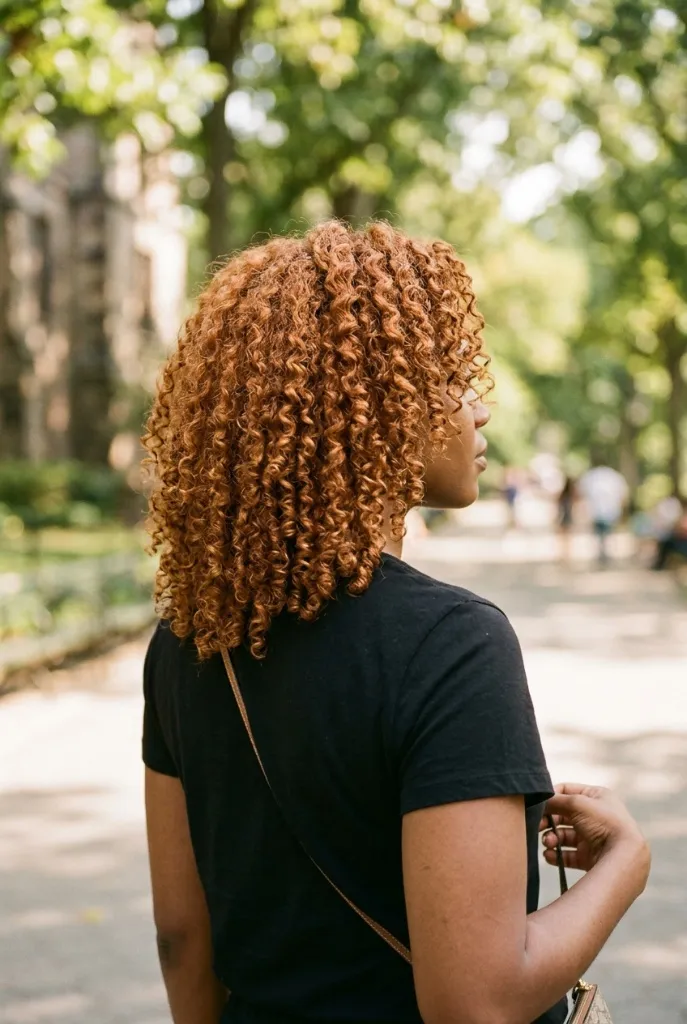
This is a curly-specific shape-cut — the stylist cuts the hair dry, curl by curl, creating a rounded silhouette that accounts for each curl’s individual shrinkage and spring pattern. There’s no bang in the traditional sense, but the front pieces are cut shorter to frame the face when viewed from the front, functioning as a curly fringe. This is exclusively for type 3B–3C curls with medium-to-high density, where the rounded shape needs enough curl mass to fill out. The shape held its rounded silhouette through multiple wash-and-go cycles — roughly 3 weeks before any curl started hanging too long or distorting the overall form. The color is golden copper — warm, honeyed, with lighter pieces concentrated at the ends where sun exposure naturally lightens curls, creating an organic, gradual ombre effect.
Apply a curl cream or gel to soaking-wet hair, scrunch upward, and air-dry or diffuse with a hooded dryer attachment. Do not rake products through — scrunch only — to preserve curl clumping. Trims every 10–12 weeks; curly hair grows slower visually because shrinkage absorbs length, meaning you get more time between appointments. Curl-by-curl cutting accounts for each spring’s unique behavior — mechanically, this means the stylist is sculpting a 3D shape rather than cutting a flat line, which is why the rounded form appears rather than a triangle. Skip if your curls are looser than 3B — the shape cut depends on consistent spring pattern to maintain its rounded silhouette, and looser waves won’t hold it. Defined glory.
17. The Dimensional Blonde Layered Curtain Bang
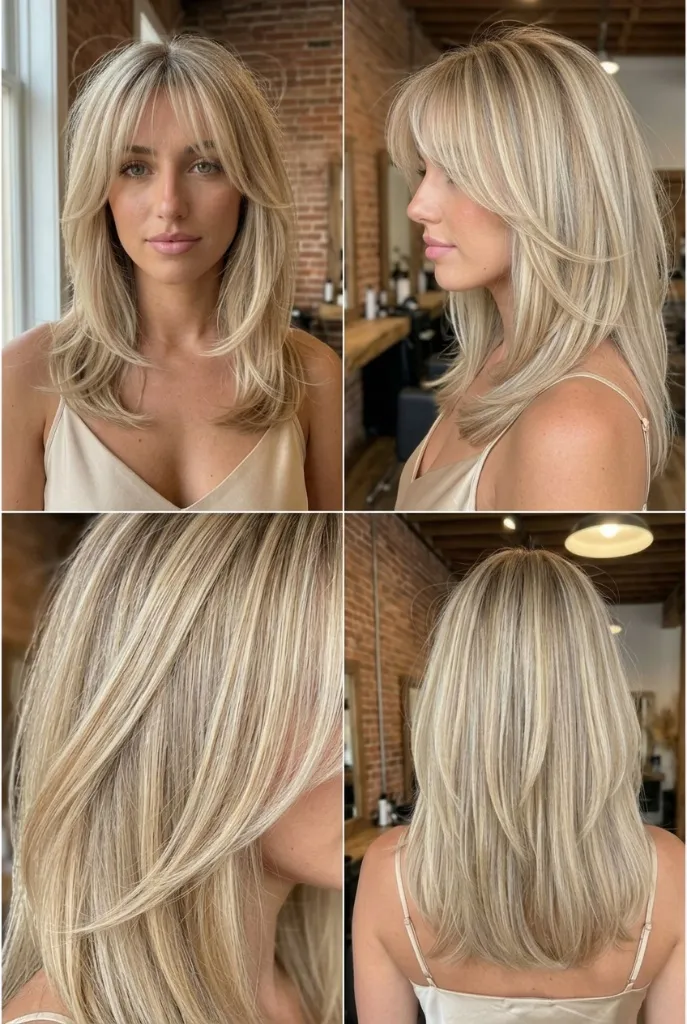
Long layers with face-framing pieces specifically cut using a technique called “slicing” — where the shears slide vertically through sections rather than cutting horizontally — create those ribbon-like strands that fall separately from the rest of the hair. The curtain bang is substantial but graduated, shortest at center and blending into the face-framing layers by the jawline. Built for medium-density, straight-to-wavy hair (1B–2B) where the individual sliced pieces are visible against each other. The sliced layers maintained their visible separation for 4 days without product refreshing — the technique essentially builds the texture into the cut rather than relying on styling to create it. The color is dimensional buttercream blonde — a warm, creamy base with cooler linen-toned highlights woven through, plus darker roots providing depth. Summer hairstyles with bangs 2026 trends lean heavily into this kind of lived-in blonde with substantial fringe.
Blow-dry with a medium round brush, paying attention to the curtain bang — curve it away from the face using tension and heat direction. A lightweight smoothing serum on the lengths keeps the sliced pieces from frizzing while maintaining their individual movement. Trims every 6–7 weeks for the layers and every 4–5 for the bang to prevent it from growing past the blending point. Slicing removes weight in vertical sections rather than horizontal, which mechanically creates individual “ribbons” of hair that move separately — this is the difference between standard layers and that editorial, piecey separation. Not for very curly or coarse hair — sliced pieces will frizz individually rather than separating cleanly, creating a messy look rather than an intentional one. Luminous separation.
18. The Sleek Ebony Lob with Full Fringe
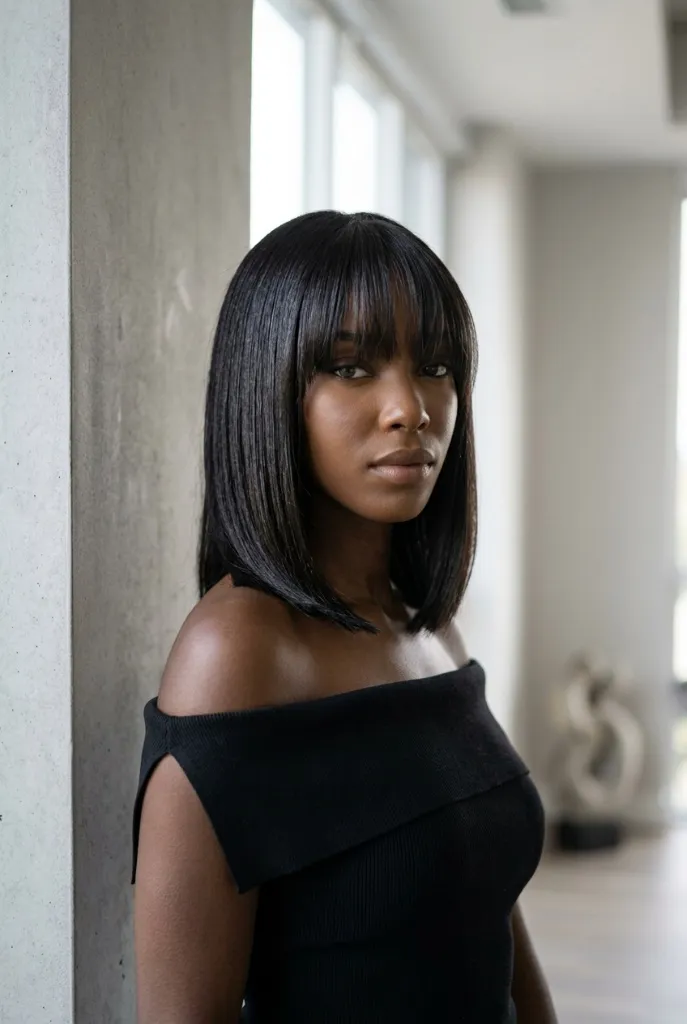
This lob is cut with a very slight forward angle — about half an inch longer in front than the back — using precision shears at zero elevation for that dense, heavy perimeter. The full fringe is thick, blunt, and cut with a straight razor for the crispest possible bottom edge (shears leave a softer line; a razor creates a definitive one). This demands straight, medium-to-thick hair (1A–1B) with enough density to fill both the lob shape and the full bang without thinning out anywhere. The razor-cut bang edge maintained its crispness for a full 3 weeks before growth softened the line — the best longevity I’ve seen from a blunt fringe. The color is midnight espresso — deep, saturated, almost-black with the barest cool-brown undertone that prevents it from looking flat in photographs.
Blow-dry with a paddle brush for that liquid-straight finish, or flat-iron for absolute precision on days when your hair has ideas of its own. A smoothing serum or light oil keeps the surface reflective. Trims every 3–4 weeks for the bang (razor-cut edges lose their crispness quickly with growth) and every 6–8 weeks for the lob shape. The slight forward angle creates visual length from the front while keeping the back from dragging on collars — mechanically, it’s a half-inch adjustment that changes the entire proportional read of the cut. Skip if you have wavy, curly, or cowlick-prone hair — this is a commitment to straightness, and anything less looks unkempt rather than architectural. The angle does the work.