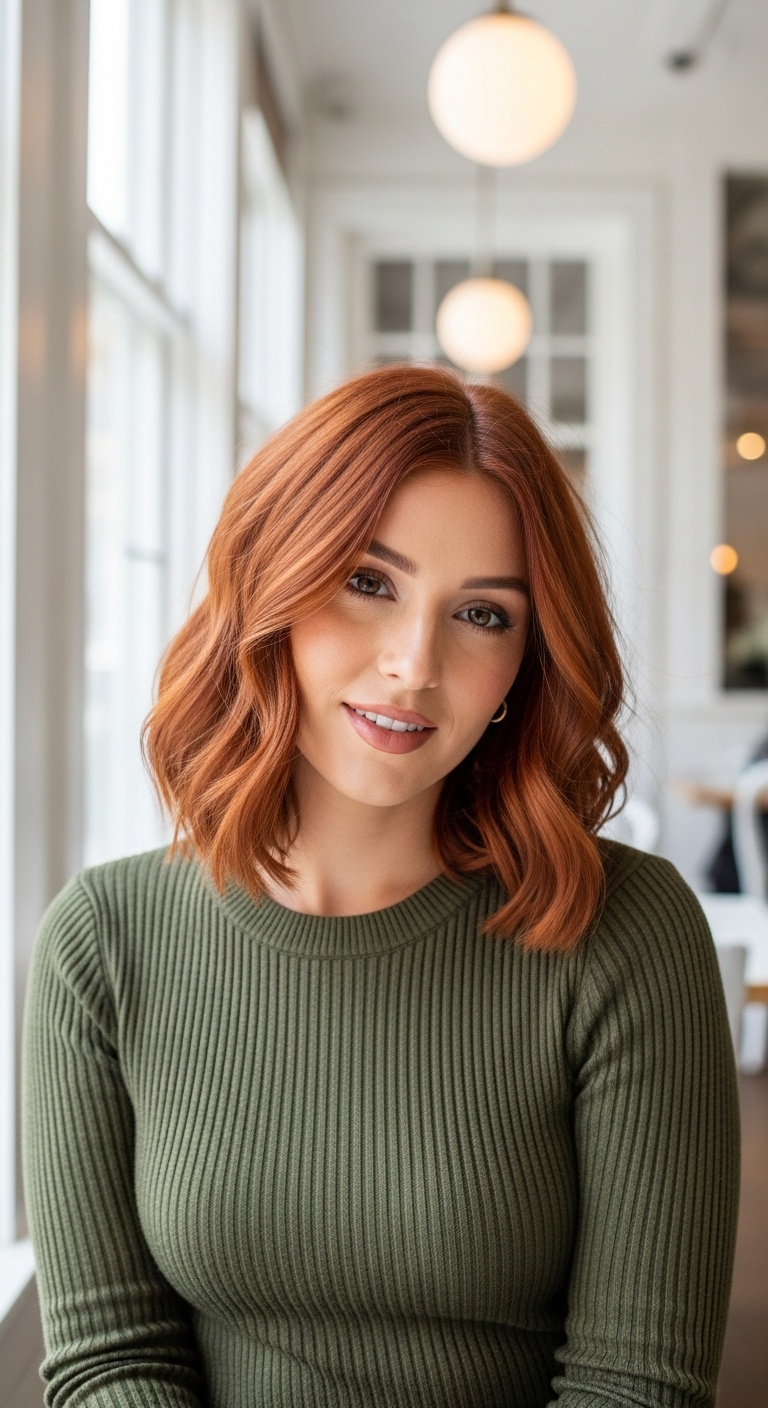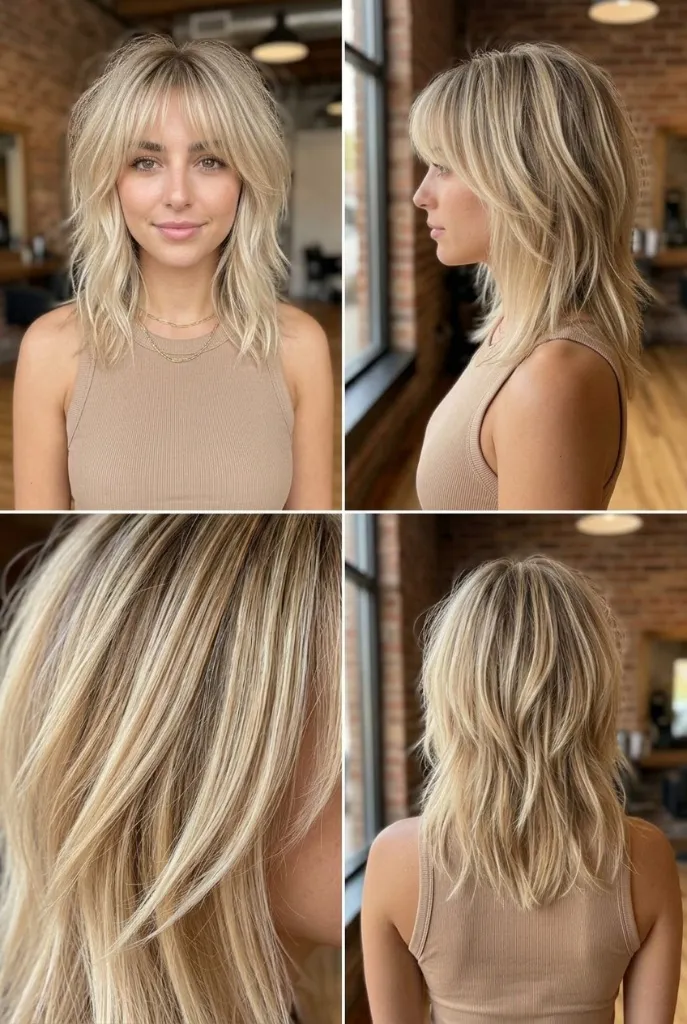
When Hailey Bieber stepped out at the Met Gala with a chin-length buttercream bob — blunt perimeter, zero layers, hand-painted blonde placement that looked like it grew from her scalp — the entire salon industry pivoted. Suddenly, the “expensive blonde” movement merged with the resurgence of lived-in balayage, and stylists started fielding requests for everything from shadow-rooted linen blondes to honeyed bronde melts. TikTok’s #ButterBlonde tag crossed 900 million views, and Instagram’s “quiet luxury hair” aesthetic cemented one thing: people are done with heavy foil highlights and uniform platinum, and they want dimensional, low-effort blonde that looks like sunlight did the work.
This year’s summer 2026 blonde balayage inspiration spans a wider range than any previous season. We’re covering warm honey bobs, icy platinum pixies, ashy bronde lobs, golden curtain-bang shags, and everything between — including collarbone-length cuts with face-framing money pieces and long razor-cut layers with sandy melts. These color ideas work across fine, thick, wavy, curly, and coarse textures, and they flatter oval, round, and heart-shaped faces with equal ease. The common thread? They all prioritize dimension over flatness, and they’re built for people who want salon-quality color that still looks intentional at week eight.
I spent two years avoiding balayage because a bad experience in 2023 left me with orange bands and a $400 regret. Last summer, I finally trusted a colorist who specialized in hand-painting on fine hair — and the result was a sandy, ribbon-like blonde that grew out so seamlessly I didn’t touch it for fourteen weeks. That’s when I realized balayage isn’t a single technique; it’s a spectrum, and the right version exists for literally every hair type and commitment level.
1. The Honey-Kissed Volume Bob
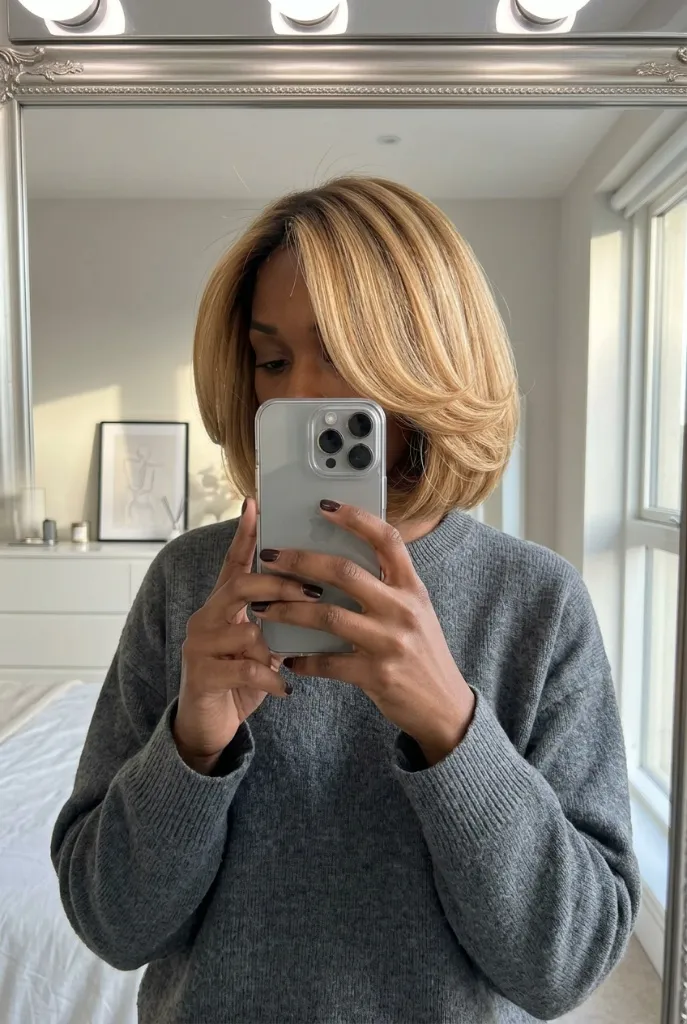
This bob sits right at the jawline and relies on internal graduated layering to create that rounded, full silhouette without any bulk at the nape. The colorist used a freehand balayage technique — painting from the mid-shaft down in alternating sections — to create a warm honey blonde over a deeper caramel base, which gives the illusion of three-dimensional depth even on fine-to-medium density hair. That golden warmth held its vibrancy for a solid six weeks before needing a gloss refresh, which is impressive for a shade this light. The undertone reads distinctly honeyed, sitting somewhere between butterscotch and raw amber.
Styling is straightforward: a volumizing mousse worked through damp roots, then a medium round brush blow-dry concentrating lift at the crown. You’ll need trims every five to six weeks because a bob this precise loses its shape fast — the graduated internal layers start collapsing once they grow past a centimeter. The mechanical advantage here is that the internal layering creates movement within a contained perimeter, so the hair swings without fanning out. Skip if you have very thick, coarse hair — this graduated structure won’t remove enough weight, and you’ll end up with a helmet shape. Warm and weightless.
2. The Sleek Caramel-Ribbon Blunt Bob
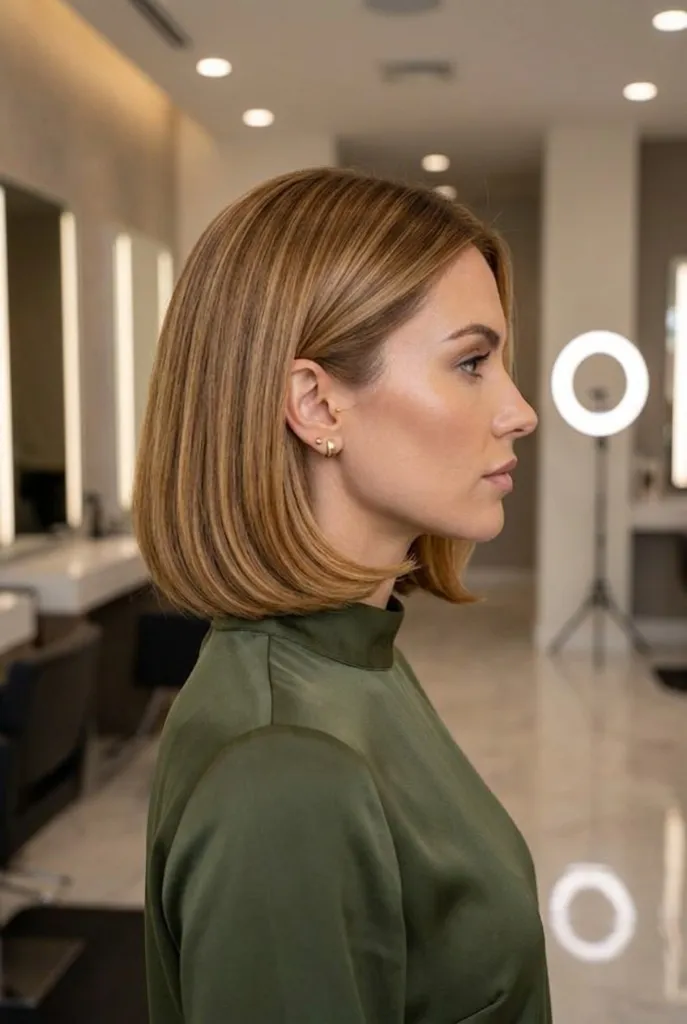
Everything about this cut is deliberate. The perimeter is blunt — no point-cutting, no texturizing — which creates that sharp, glass-like edge that catches light in a single clean line. The balayage here is subtle, built from a warm mushroom bronde base with hand-painted caramel ribbons concentrated around the face and through the surface layer, leaving the interior darker for natural dimension. On medium-density straight hair, this color placement maintained its expensive, “did she or didn’t she” quality for a full eight weeks without toning.
You’ll want a smoothing serum — not a heavy one, just enough to eliminate frizz without flattening — followed by a paddle brush blow-dry on medium heat. This is a low-maintenance cut in terms of daily styling, but the blunt line demands trims every four to five weeks; even a half-inch of uneven growth disrupts the entire geometry. The blunt perimeter is what makes it work mechanically — it forces all the hair to sit at a single weight line, creating density at the ends that fine-to-medium hair desperately needs. Avoid if you want any kind of movement or wave; this cut is engineered for sleekness, and fighting it with a curling iron defeats the purpose. Sharp. So sharp.
3. The Ash-Silver Vanity Lob
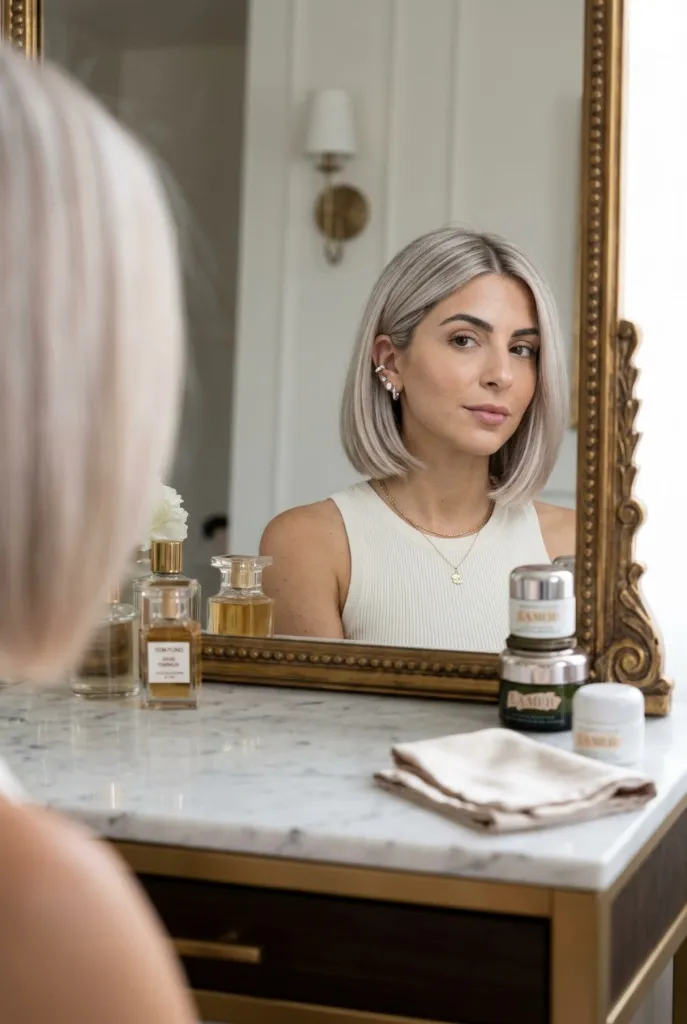
This lob lands right at the collarbone and uses long, invisible face-framing layers — cut dry, with point-cutting at the very tips — to create soft movement without disrupting the overall one-length appearance. The color is where it gets interesting: an icy linen blonde with violet-ash undertones, applied as a full balayage over a cool level-7 base. That silver-blonde tone is notoriously difficult to maintain, but on this medium-textured hair, the colorist’s choice to leave a slightly deeper shadow root meant the grow-out looked intentional rather than neglected, holding up for about six weeks before warmth started creeping in.
Purple shampoo twice a week is non-negotiable here — that’s what keeps the ashy tone from sliding into brass territory. Style with a smoothing serum and either a round brush blow-dry or air-drying with a lightweight mousse for a more relaxed finish. Trims every six to seven weeks keep the face-framing pieces sharp. The point-cut tips create just enough texture to prevent that flat, “ironed curtain” look that one-length lobs sometimes develop, which is the mechanical key to this cut’s softness. Not for anyone with naturally warm-toned skin who wants to avoid clashing — this shade runs very cool, and it doesn’t compromise. The understated edit.
4. The Golden Curl Mirror Bob
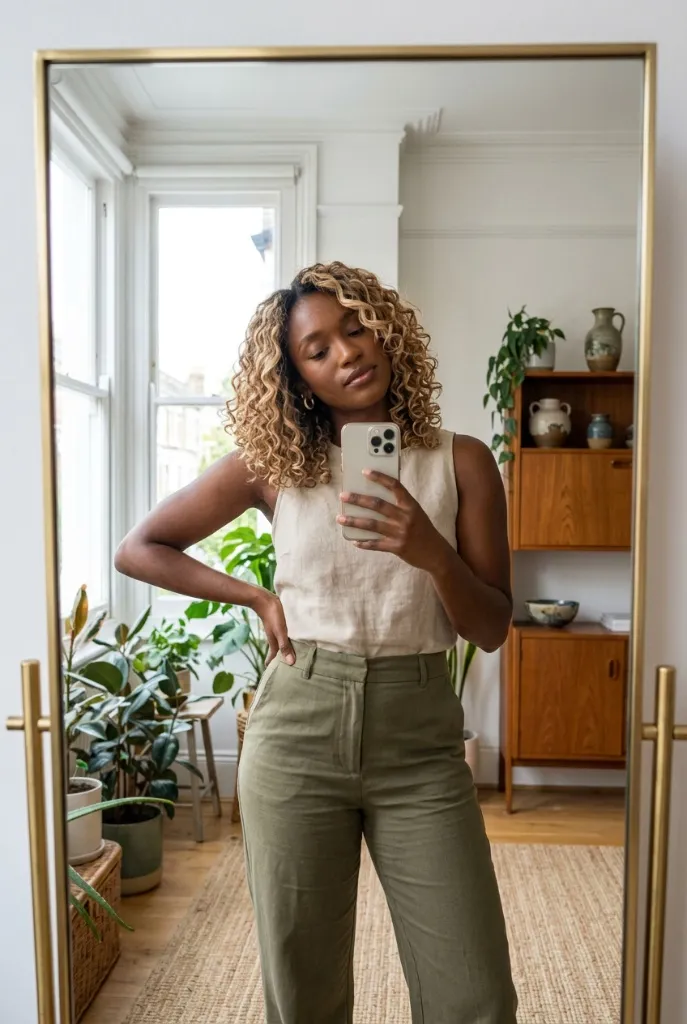
Curls and balayage are one of the most underserved combinations in the salon world, and this bob proves exactly why that needs to change. The cut uses dry-cutting exclusively — each curl cluster was shaped individually to account for shrinkage and spring pattern — resulting in a chin-to-shoulder length that frames without crowding. The balayage was painted onto stretched curls, placing champagne blonde and warm gold highlights where each coil catches the most light, which means the dimension shifts every time the curls rearrange themselves. On this 3B-3C texture with medium-to-thick density, the color definition lasted impressively — a good ten weeks before a refresh appointment.
Styling starts with a generous application of curl cream on soaking wet hair, followed by scrunching and diffusing on low heat. This is not a wash-and-go situation for everyone, but on the right curl pattern, it’s close (probably the best $35 consultation I’ve ever recommended, honestly). Trims every eight to ten weeks are fine because the curl pattern disguises growth beautifully. The dry-cutting technique is essential here — it accounts for the 30–40% shrinkage that curly hair experiences when transitioning from wet to dry, which means the shape actually looks like what was intended. Skip if your curls are looser than 2B; the highlights won’t read the same way on elongated waves. Embrace the curl.
5. The Sun-Drenched Platinum Cascade
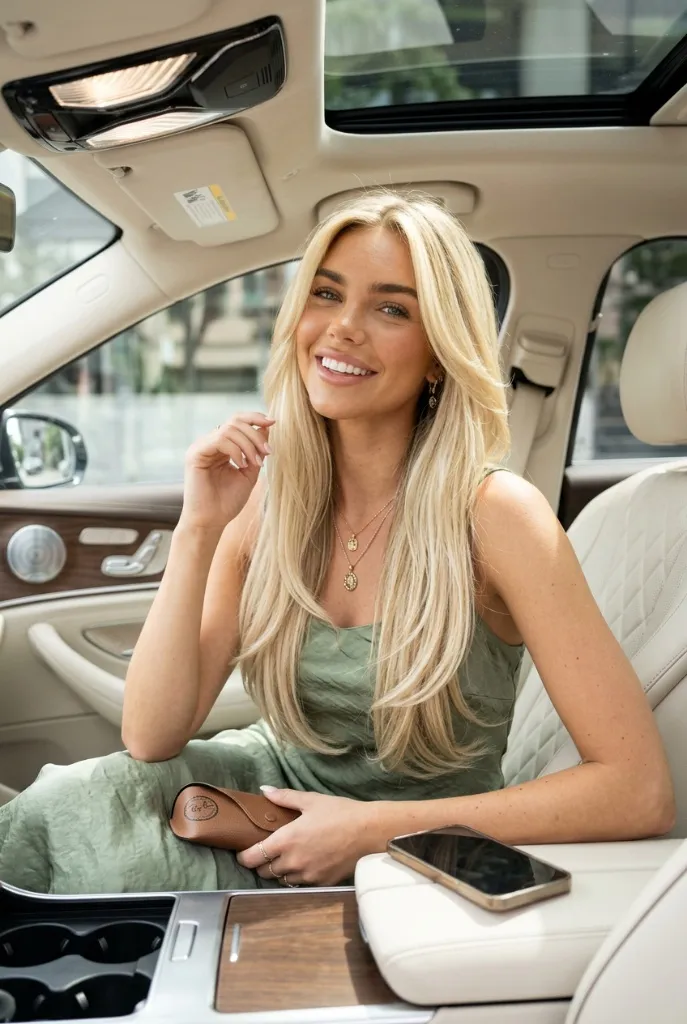
Long blonde hair risks looking flat and one-dimensional, but this cut avoids that entirely through strategically placed long layers cut with a razor — not shears — which creates feathered, tapered ends that catch air and separate naturally. The color is a warm platinum with buttercream blonde undertones, applied as a heavy balayage with barely any base color showing through, giving that “born blonde” impression. This summer 2026 blonde balayage inspiration leans fully into the Southern California fantasy, and on this medium-density straight-to-wavy hair, the razor-cut ends maintained their separated, piecey texture for a solid four weeks between wash-and-styles.
A salt spray on damp hair followed by air-drying is all this needs — or a quick pass with a large-barrel curling iron if you want more defined bends. Maintenance is real though: blonde this light on long hair means toning appointments every four to five weeks and trims every six to eight weeks to keep the razor-cut ends from going wispy and thin. The razor technique is what separates this from a standard layered blowout — it removes weight from within each section rather than just shortening it, creating that lived-in separation without sacrificing length. Avoid if your hair is already fine and thin; the razor will remove too much density and leave the ends transparent. California in a cut.
6. The Salon-Fresh Butter Blonde
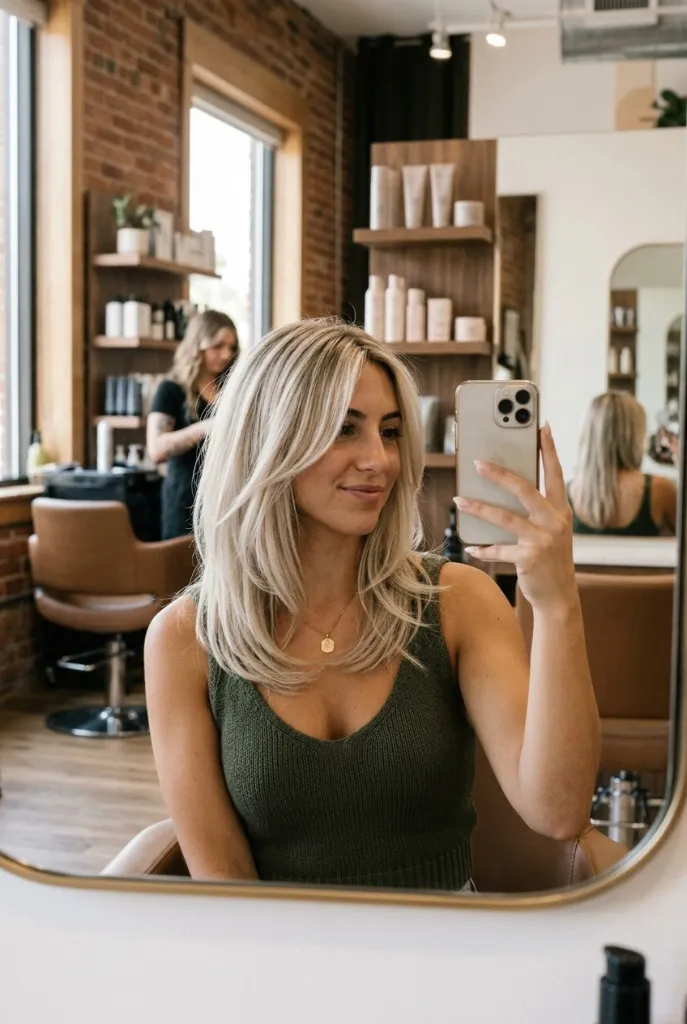
This is what most people picture when they say “I want blonde balayage,” and it’s deceptively hard to execute well. The cut features disconnected layers — shorter pieces around the crown that blend into longer lengths below — which creates that effortless volume at the top without relying on teasing or heavy product. The color is a true buttercream blonde: warm without being golden, light without being icy, with a sandy root melt that starts about two inches from the scalp. On medium-thick hair with a slight natural wave, those disconnected layers kept their bounce and separation for three days between washes, which is the real test of a good cut.
Round brush blow-dry with a medium hold mousse at the roots, then a texturizing paste — just a pea-sized amount — raked through the mid-lengths for separation. Trims every six weeks keep the disconnected layers from losing their intended proportions. What makes this cut work mechanically is the disconnect itself: the shorter crown layers lift away from the head while the longer perimeter adds weight below, creating a natural hourglass silhouette. This works well for round face shapes because that volume-up, weight-down structure elongates visually. Not for anyone who hates blow-drying; without heat styling, the disconnection reads as unintentional unevenness. The blow-dry dream.
7. The Precision Highlight Lob
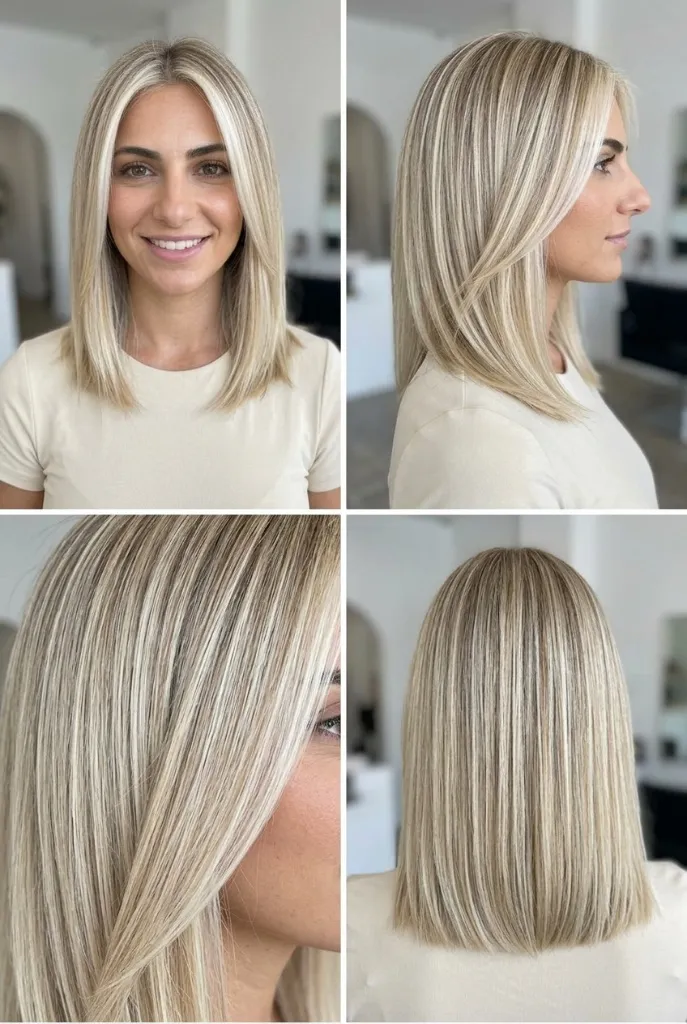
Shown from four angles here, this lob reveals exactly why placement matters more than lightness level. The cut is a clean one-length lob hitting just past the collarbone, with minimal internal layering — just enough to prevent the ends from clumping into a single sheet. The highlights use a traditional foil balayage hybrid: hand-painted pieces for softness at the hairline, then foiled babylights through the crown and mid-lengths for maximum brightness. The result is a linen blonde with cool sand lowlights woven throughout, creating a woven, almost fabric-like dimension that flat single-process blonde can never achieve.
This is a purple-shampoo-every-third-wash kind of color to keep the brightness from yellowing, paired with a lightweight smoothing serum on the days you blow-dry. Trims every five to six weeks maintain that one-length perimeter, which is the backbone of the entire look. The minimal internal layering removes just enough weight to let the hair swing without going limp — it’s a calibrated choice, not a dramatic one. If you’re someone who loves mid-length cuts for their versatility, this is the template. Skip if you want any kind of tousled, undone texture; this lob is built for polish. Dimensional precision.
8. The Shadow-Root Satin Straight
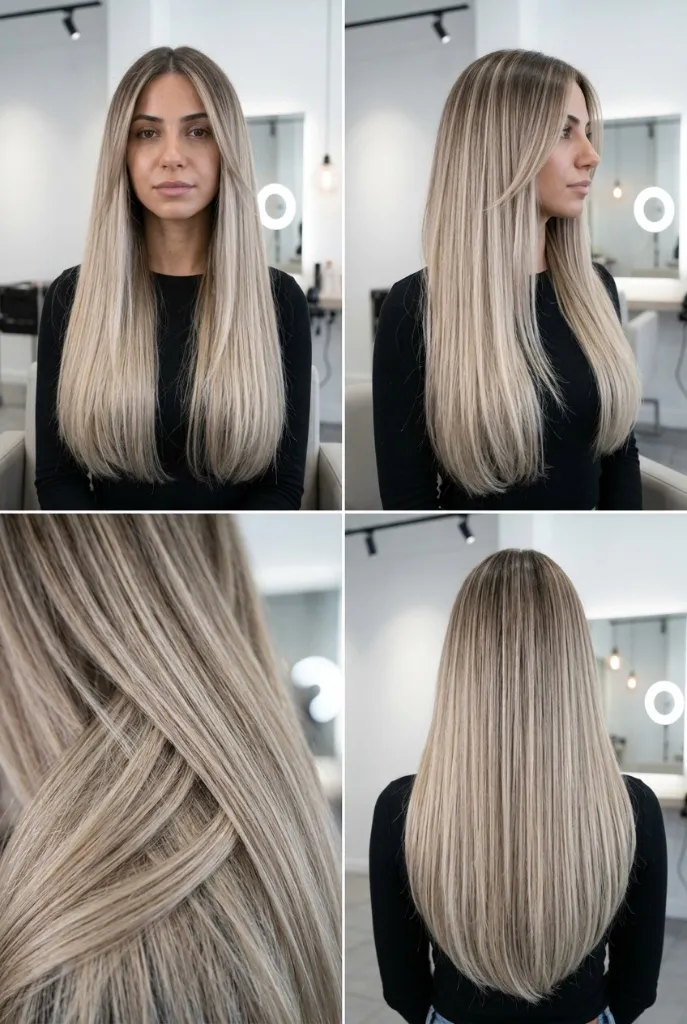
The shadow root is doing all the heavy lifting in this look — and it’s doing it beautifully. The cut itself is uncomplicated: long, one-length with barely-there face-framing pieces removed through slide-cutting, which creates the thinnest possible tapered ends around the face without actual layers. The color is a smoky ash blonde — cooler than champagne, warmer than platinum — with a level-6 mushroom bronde root that melts seamlessly into the blonde starting about three inches from the scalp. On straight, medium-density hair, this shadow root strategy meant the grow-out period stretched to a remarkable ten to twelve weeks before needing attention.
Styling is minimal: a smoothing serum on towel-dried hair and a flat iron on medium heat for that glass-like satin finish. Dry shampoo at the roots on day two extends the look. The slide-cut face-framing pieces are what add the only bit of softness to an otherwise strictly linear cut — they break the curtain effect just enough to prevent it from looking severe. Maintenance is genuinely low for a blonde this light, thanks entirely to that shadow root buying you time. Avoid if you have wavy or curly texture and don’t intend to straighten regularly; this cut was designed for sleekness, and the slide-cut details disappear in curl. Satin discipline.
9. The Icy Platinum Curtain
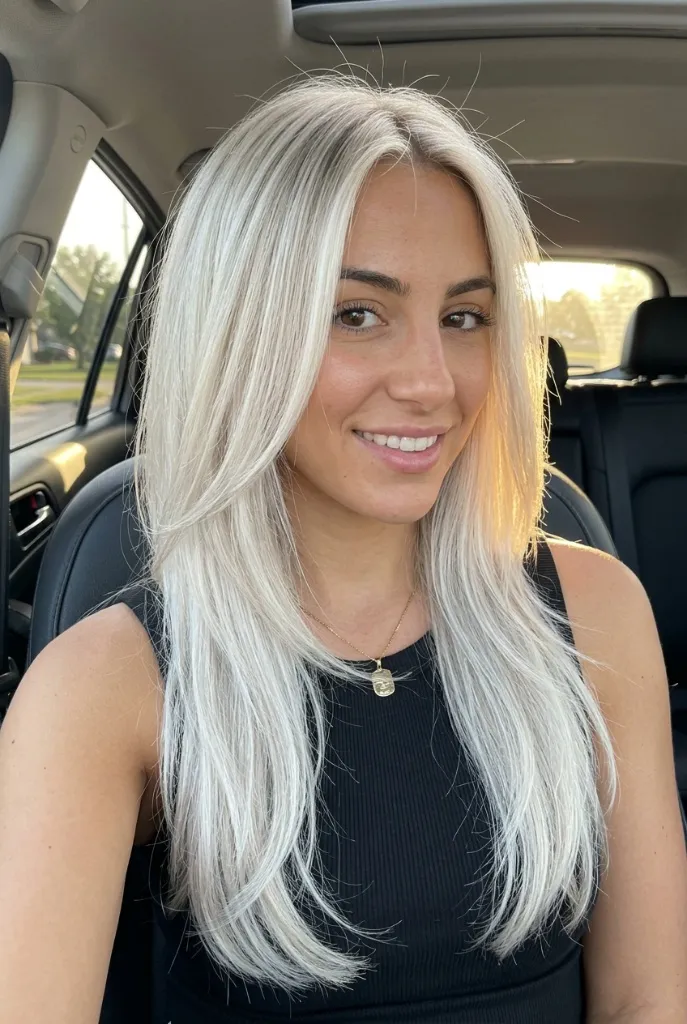
Going this light takes commitment — and a colorist who understands underlying pigment removal without compromising integrity. The cut uses ghost layers throughout: internal layers that don’t change the perimeter length but remove weight from within, creating movement and airiness on what would otherwise be a heavy, flat sheet of platinum. The shade is pure icy platinum with the slightest violet undertone to counteract warmth, achieved through a full balayage lift followed by a toning session. On medium hair with slight natural wave, the ghost layers allowed air-drying without that dreaded “block of blonde” flatness, and the tone held for about four weeks before needing a gloss.
Purple shampoo is your life now — every other wash, minimum. A lightweight mousse for root lift and air-drying works well, or a round brush if you want more polish. Trims every six weeks keep the ghost layers performing correctly. The internal layering is mechanically critical because it allows air to pass through the hair’s body, which creates the illusion of movement even in still hair — without it, long platinum just hangs. This is a high-maintenance color with a solid four-to-five-week toning cycle, so factor that into your budget (which is all my fine hair can handle, both structurally and financially). Not for anyone with dark natural hair who doesn’t want regular root appointments; the upkeep is real. Platinum commitment.
10. The Silver Pixie Sweep
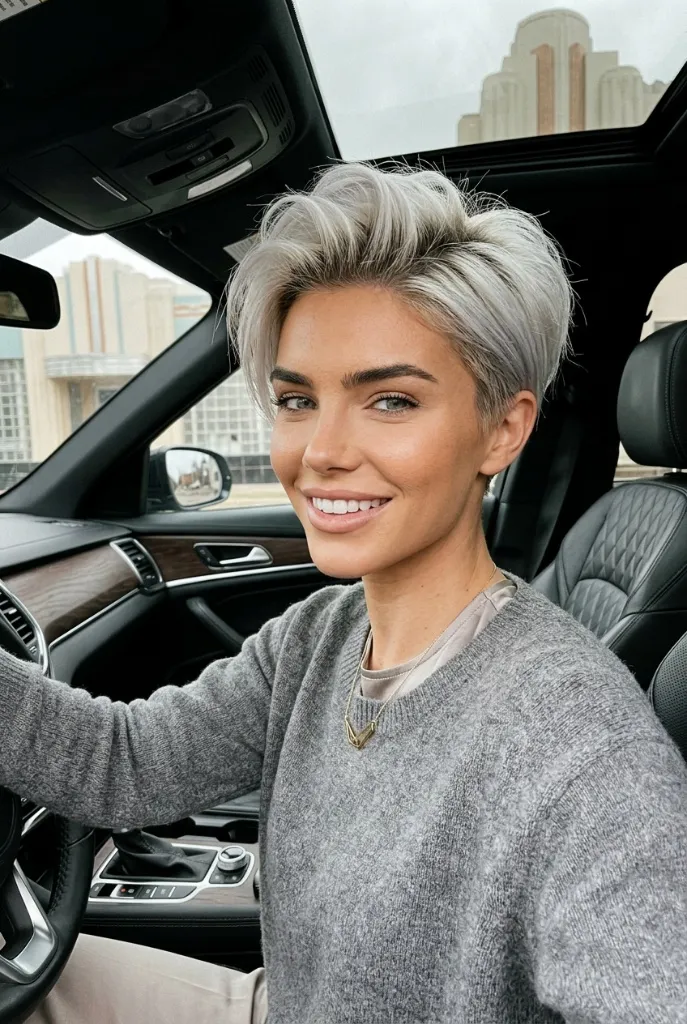
Pixies and blonde balayage don’t often appear in the same sentence, but this silver sweep proves they absolutely should. The cut is a disconnected pixie with longer top layers and closely tapered sides — scissor-over-comb work at the nape and temples, transitioning into finger-length pieces on top that are point-cut for directional texture. The color is a silver-white blonde with a cool graphite undertone at the roots, and the balayage is micro-painted in small, thin strokes to create movement on a very short canvas. On thick, straight hair, this cut held its shape and silver tone for six weeks, which is exceptional for a pixie. If you’ve been browsing short summer haircuts, this is the one that stops the scroll.
A matte texturizing paste — not a shiny pomade, not a wax — worked between fingers and pushed back through the top layers creates that swept, windblown structure. Trims every three to four weeks are essential; a pixie this precise goes from “intentional” to “growing out” fast. The scissor-over-comb taper at the sides is what keeps the proportions sharp, preventing that mushroom-cap look that happens when a pixie’s sides outgrow its top. Skip if your hair is fine with low density; the disconnected structure needs enough hair to create contrast between the longer top and shorter sides. Boldly silver.
11. The Sandy Wave Museum Lob
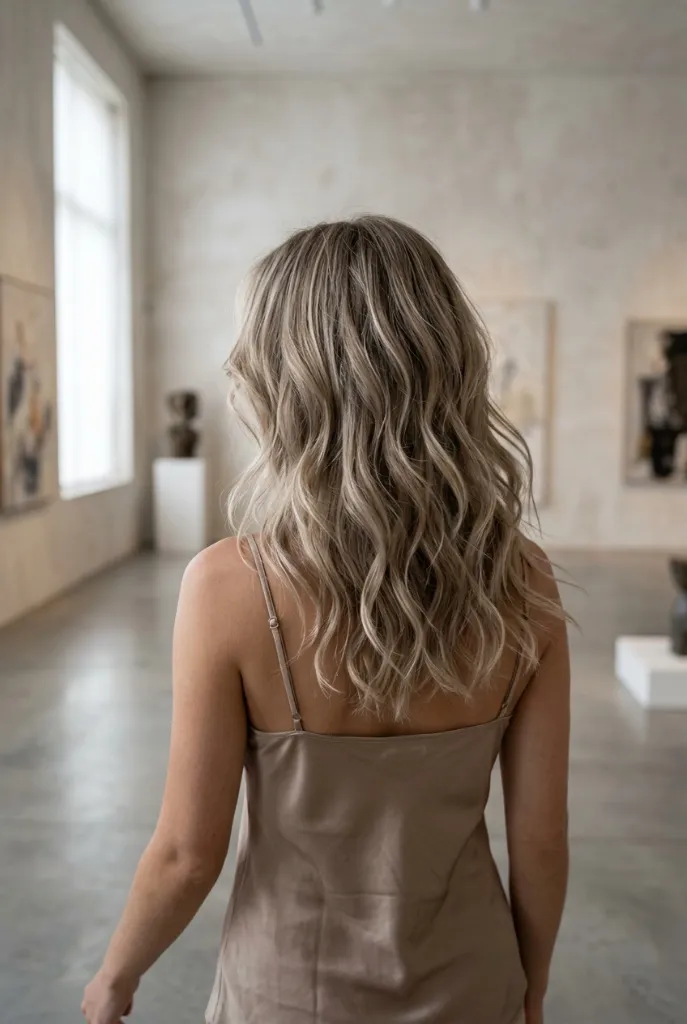
Seen from the back, this lob demonstrates exactly what good layering does to wave pattern. The cut uses long, weight-removing layers — not traditional graduated layers, but internal thinning concentrated in the lower third — to allow natural wave to form without building into a triangle. The color is a sandy bronde balayage: think raw linen mixed with wheat, with cooler ashy pieces woven through to prevent it from reading too warm. On wavy hair with medium density, the wave pattern fell into those effortless, unstructured bends for three days straight, which is the hallmark of well-placed internal thinning.
A salt spray scrunched into damp hair and air-dried is genuinely all this requires — it’s the kind of cut that was specifically engineered to look good without intervention. Trims every seven to eight weeks, because the layering is internal rather than visible at the perimeter, meaning growth doesn’t disrupt the shape as quickly. The internal thinning technique works mechanically by reducing density in the thickest zone of the hair (the lower third), which lets gravity and natural texture do the styling work. This is perfect if you’re exploring summer hairstyle options that don’t revolve around a blow-dryer. Avoid if your hair is stick-straight with no natural texture; you’ll just get limp ends. The air-dry dream.
12. The Glass-Finish Champagne Bob
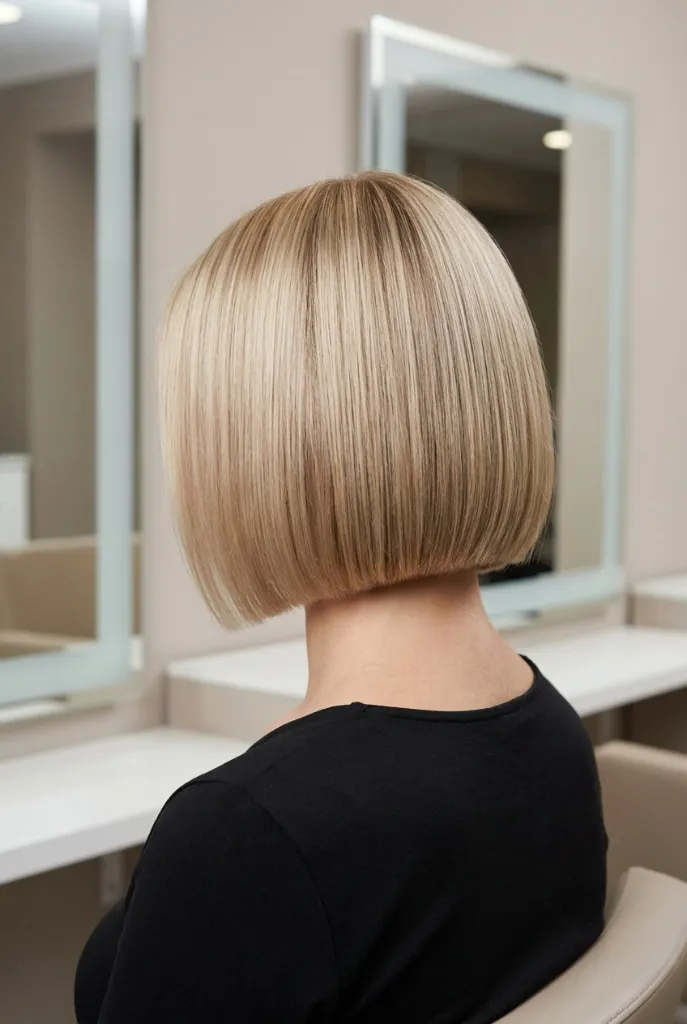
This back view tells you everything. The cut is a zero-layer blunt bob with a slightly graduated nape — the perimeter angles about half an inch shorter at the back center than at the sides — which creates that subtle inward curve without any layering whatsoever. The color is a champagne blonde with the faintest rose-gold undertone, applied as an all-over toner over previously balayaged hair, resulting in a uniform yet dimensionally rich finish. On fine-to-medium straight hair, this graduated angle held its inward-curving shape between washes, requiring only a flat iron touch-up at the perimeter every couple of days.
A smoothing serum and paddle brush blow-dry keeps this looking salon-fresh, though a flat iron pass at the ends is what really locks in that glass-like finish. Trims every four weeks — yes, four — because even slight growth at the nape disrupts the graduated angle and the hair starts flipping outward instead of curving in. That subtle nape graduation is the mechanical key: it forces the hair to fold inward rather than kick out, creating a self-contained shape that reads as intentionally architectural. This is for the person who doesn’t mind frequent trims in exchange for a cut that looks expensive every single day. Not for wavy or curly hair; the graduated angle is calibrated for straight texture only. Architectural precision.
13. The Highlighted Feather Pixie
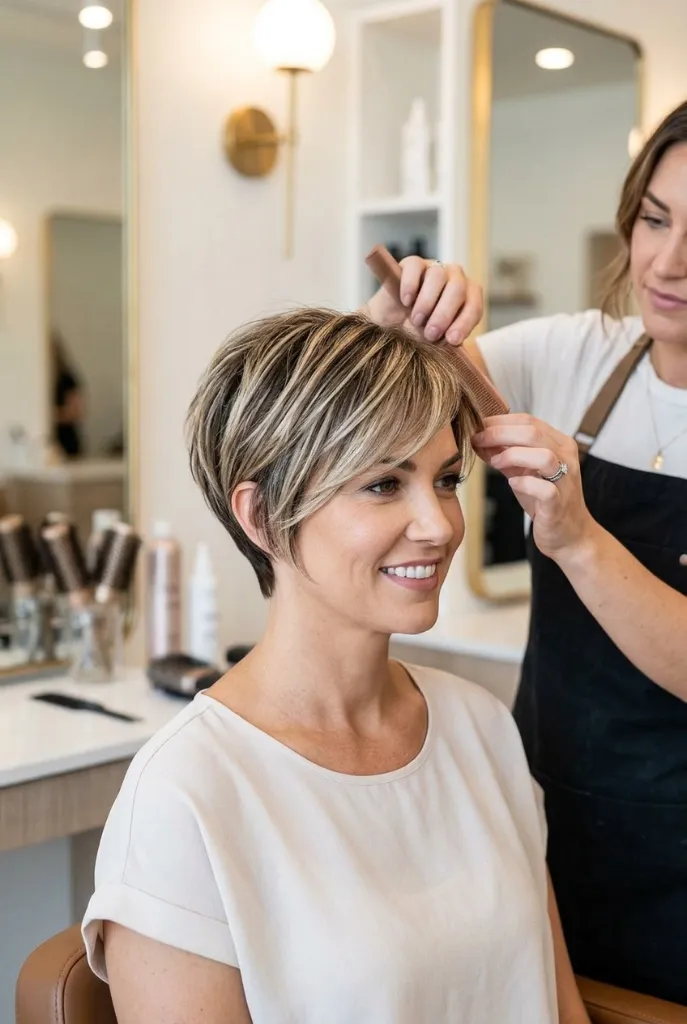
There’s something deeply satisfying about watching a stylist comb through a pixie this well-executed. The cut combines razored top layers with point-cut sides — the razor creates that feathered, piecey direction on the longer crown sections, while point-cutting at the sides reduces bulk without losing coverage. The color uses traditional foil highlights over a level-7 bronde base, placing lighter champagne blonde pieces strategically through the top where they’ll catch light and create dimension on such a small canvas. On thick, straight-to-wavy hair, the razored texture held its directional movement for five to six weeks, which is remarkable longevity for a short cut.
A light-hold texturizing paste distributed through dry hair is the finishing move — too much product on a pixie this short turns textured into greasy in seconds. Trims every three to four weeks, and honestly, this is the kind of cut worth booking a standing appointment for, because the razored layers lose their precision quickly. The combination of razor on top and point-cutting on the sides is what creates the contrast between airy crown texture and cleaner side profiles — it’s two techniques serving two distinct purposes on one head. If short haircuts for summer are on your radar, this is textbook. Skip if you have fine, low-density hair; the razoring will remove too much and leave gaps. Feathered precision.
14. The Textured Butter Lob
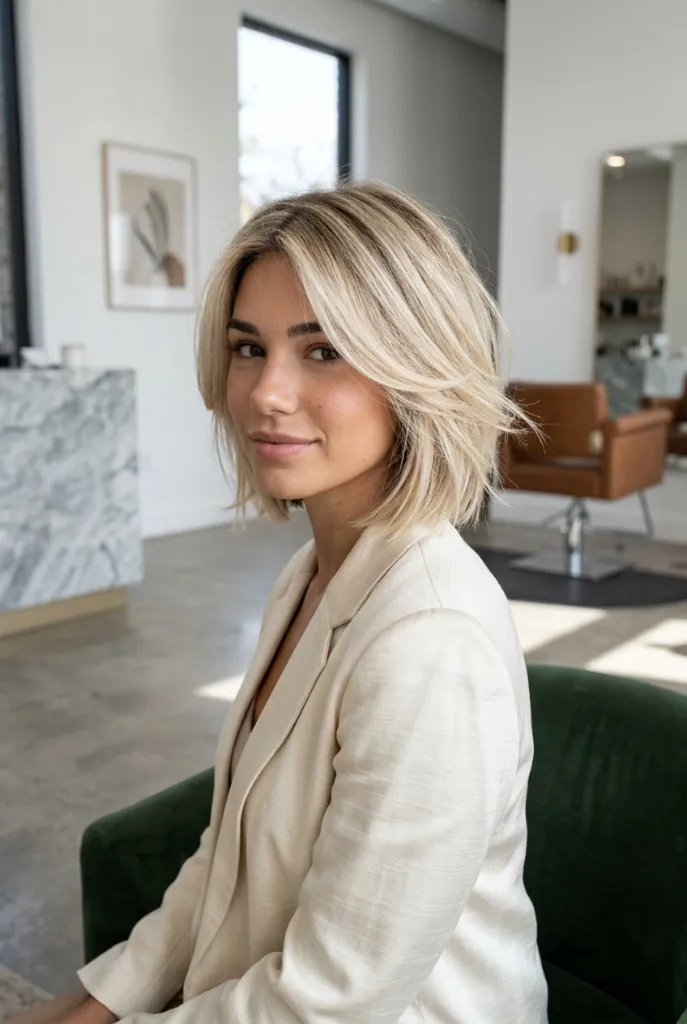
This lob sits between the chin and shoulder — that sweet spot where the hair has enough weight to behave but enough shortness to feel liberating. The cut uses dry-cutting with point-cut ends throughout, which creates irregular, piece-y tips that separate naturally and resist clumping. The balayage is a warm buttercream blonde melting from a darker sand-blonde root, and the placement is concentrated at the face-framing sections and surface layer, keeping the interior slightly deeper. On fine-to-medium hair with a slight wave, the point-cut texture meant air-drying produced a perfectly imperfect tousled look — no curling iron, no effort — that lasted through day two.
A texturizing spray on damp hair, scrunched and air-dried, is the primary styling method. A light dry shampoo on day two at the roots keeps it fresh. Trims every six to seven weeks, because the point-cut ends are forgiving as they grow — unlike blunt cuts, there’s no single sharp line to maintain. The point-cutting is mechanically essential here: it creates varying lengths within each section, so individual strands fall at different points and produce natural separation. This is an excellent choice for plus-size women looking for flattering summer styles because the face-framing highlights and textured movement create dimension around the face. Avoid if you want a sleek, polished look; this cut’s entire personality is tousled imperfection. Effortless, truly.
15. The Warm Balayage Butterfly Layers
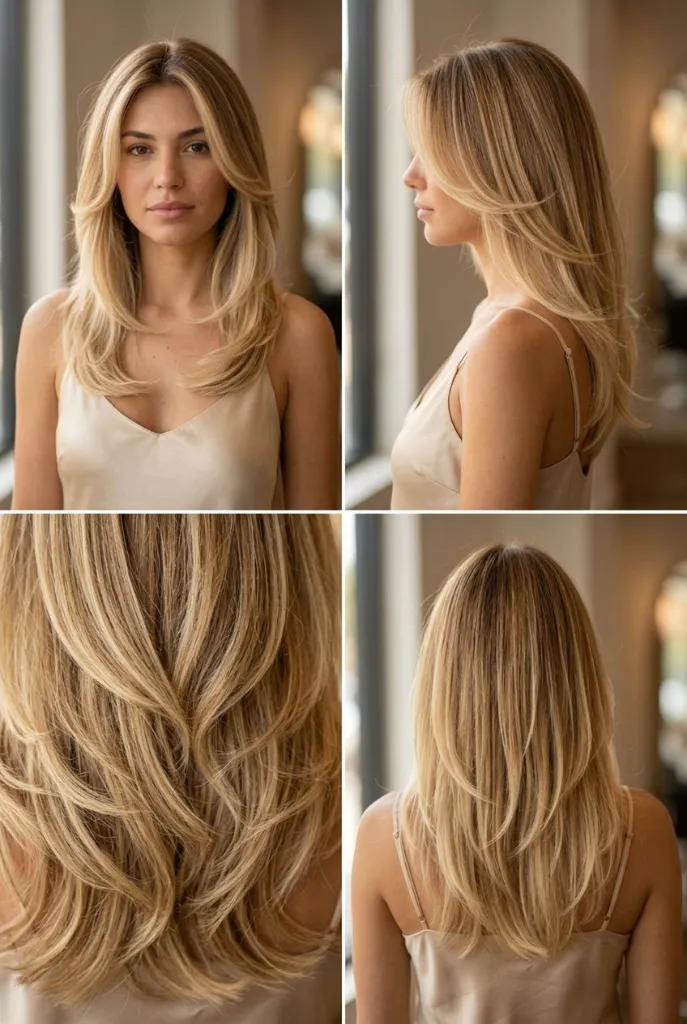
Butterfly layers — those shorter, face-framing pieces that “float” above the longer length — are the technique making this cut special. The face-framing layers were cut with a slide-cutting method to create tapered, wispy ends that sweep outward naturally, while the longer layers below use a traditional point-cut for subtle texture without disrupting the overall one-length appearance. The color is a warm golden blonde balayage over a level-7 sandy base, with apricot-toned money pieces framing the face. On thick, straight-to-wavy hair, the butterfly layers maintained their airy separation and face-framing effect for a solid eight weeks before needing reshaping.
A round brush blow-dry focused on flipping the face-framing layers outward — or a large-barrel curling iron used to bend just those front pieces — is the primary styling technique. The rest can air-dry or be loosely blow-dried with a concentrator nozzle. Trims every seven to eight weeks for the longer layers, but the face-framing butterflies might need a touch-up at six weeks to keep them from growing past their intended “floating” length. The slide-cut face-framing technique is what creates that feathered, curtain-like quality — it tapers each strand gradually rather than cutting it bluntly, so the pieces blend into the air rather than ending abruptly. Not for fine, thin hair; the butterfly layers need enough density to create visible separation from the longer lengths beneath them. Natural radiance, bottled.
16. The Cool Smoke Balayage
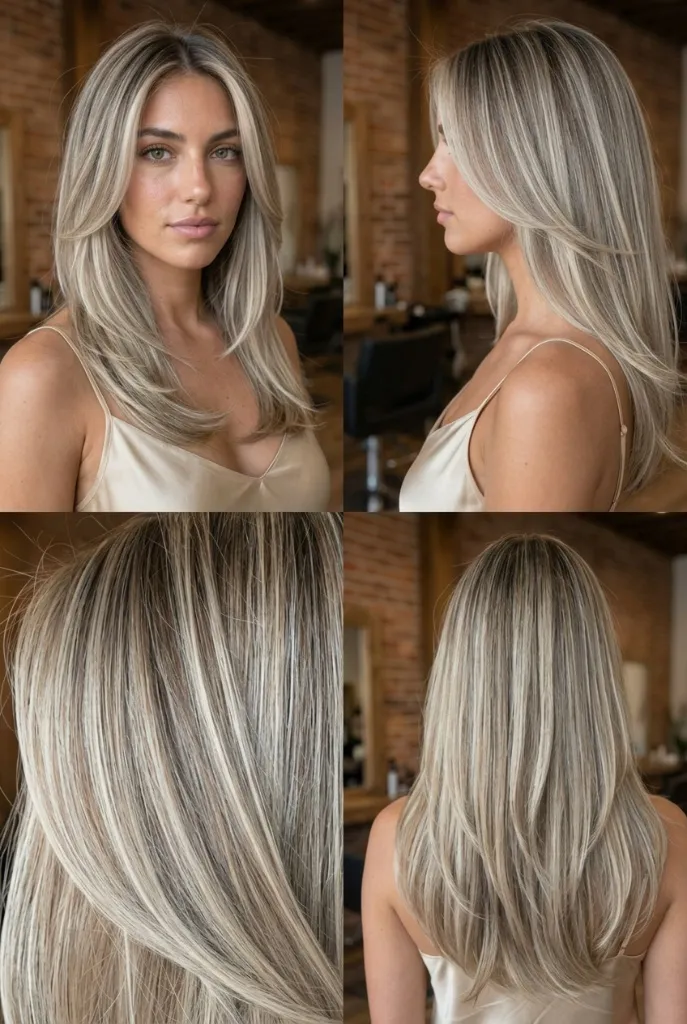
This four-angle view showcases one of the most technically precise balayage applications in this entire collection. The cut uses long, C-shaped layers — each layer curving slightly inward at the ends to create a subtle rounded shape when viewed from behind. The color is a smoky ash blonde with cool, almost steely lowlights threaded through — think silver birch bark mixed with pale mushroom — and the summer 2026 blonde balayage inspiration here is decidedly cooler than most of what’s trending, which makes it stand out. On medium-thick straight hair, the C-shaped layers held their inward curve for about a week between washes, and the cool-toned color maintained its smokiness for five weeks with regular purple shampoo use.
A paddle brush blow-dry followed by a flat iron bending the ends under — just the last two inches — is how you maintain those C-shaped curves between salon visits. Purple shampoo every second wash, plus a lightweight smoothing serum to enhance the reflective quality of the color. Trims every six to seven weeks keep the layers’ curved geometry intact. The C-shaped layering is mechanically designed to direct hair inward toward the center back, preventing the splayed, fan-like shape that long layers sometimes create when they grow out (or maybe it’s just that this colorist really understood shape-and-color synergy). Skip if you prefer warm, golden tones; this palette is deliberately cool and won’t be warmed up without fundamentally changing its character. Smoky sophistication.
17. The Shaggy Blonde Curtain Fringe
The shag is back — again — but this version is more refined than its 1970s ancestor. The cut uses heavy razor layering throughout, starting with curtain bangs that were cut dry and razored at the tips for that split, wispy separation, then continuing through disconnected layers that create visible texture from every angle. The color is a warm blonde balayage with honeyed mid-tones and darker, toffee-colored roots showing through — that deliberate root contrast is what gives the whole thing its undone, “I was raised at the beach” energy. On medium-density wavy hair, the razor-cut layers amplified natural texture so effectively that air-drying alone produced defined, separated waves for three days straight.
A wave-enhancing mousse scrunched into damp hair, then diffused or air-dried, is the ideal method. A texturizing paste can reactivate the second-day texture without re-wetting. Trims every six to seven weeks, with the curtain bangs potentially needing an interim trim at four weeks because they grow into your eyes faster than you’d expect. The razor layering removes interior weight while creating surface texture simultaneously — it’s doing double duty, which is why the cut looks so effortlessly layered without appearing thin. If you’ve been exploring this season’s biggest summer haircut trends, the shag with curtain bangs keeps appearing for good reason. Avoid if you have very fine, limp hair; the razor will strip too much density, and the shag will read as stringy rather than textured. Retro perfection.
18. The Caramel Bronde Lived-In Lob
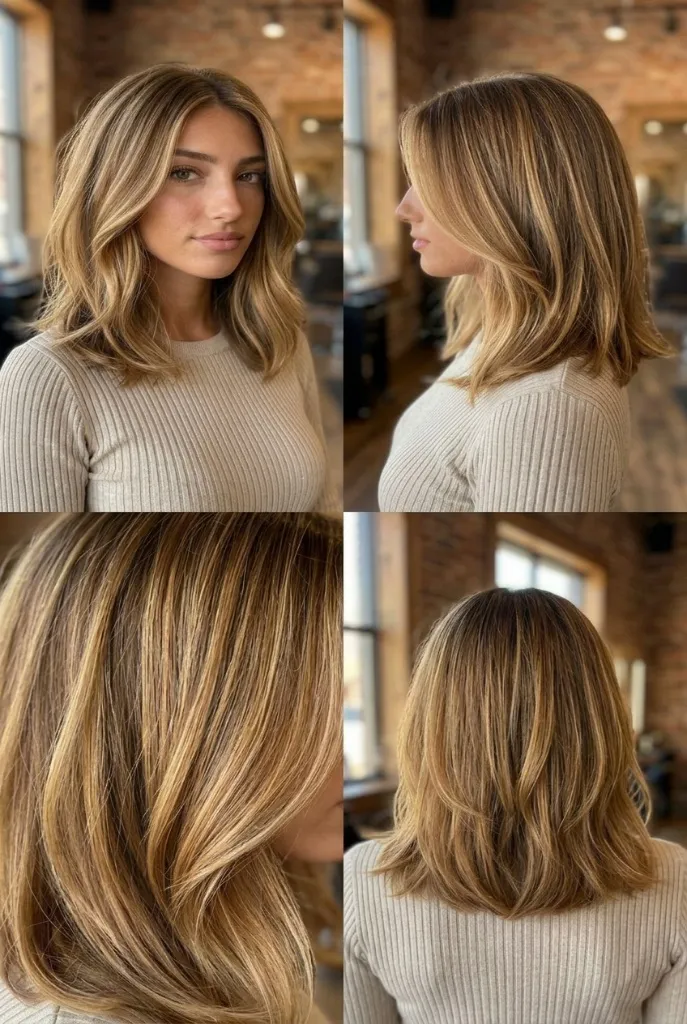
This lob is proof that balayage doesn’t have to mean “blonde.” The color sits firmly in bronde territory — a warm caramel base with syrup brunette lowlights and golden highlights that only emerge in direct light — and the balayage technique involves painting narrow sections with two alternating shades to create a woven, tapestry-like depth. The cut uses long, soft layers with a slightly shorter face-framing piece on each side, all cut with shears (no razor) and finished with point-cutting at the very tips. On thick, wavy hair, the layering distributed weight evenly enough that the natural wave pattern produced uniform, bouncy bends from crown to ends — holding that shape for two to three days without refreshing.
A curl cream on damp hair, scrunched and air-dried, enhances the wave pattern without crunchiness. Alternatively, a large-barrel curling iron on a few random sections creates a more structured version. Trims every seven to eight weeks, because the layers are long enough and the point-cut ends are subtle enough that growth doesn’t disrupt the shape quickly. The long layering works mechanically by removing just enough weight from the mid-section to prevent the triangle effect on thick, wavy hair — it’s the difference between hair that swings and hair that just sits. This warm palette works across a wide range of skin tones, making it one of the most universally flattering options in this collection. Not for anyone with straight, fine hair hoping for this wave pattern without heat tools; the texture here comes from the hair’s natural wave, not the cut alone. Warmth that moves.