Feeling lost is one of those universal human experiences that somehow manages to feel deeply isolating every single time it happens. That foggy, directionless sensation where decisions feel impossible and clarity feels miles away is more common than most people admit, and it is often the quiet beginning of something meaningful shifting in your life.
You do not need to have all the answers figured out right now, and that is genuinely okay. What you do need are small, gentle steps you can take today to start finding your way back to yourself. Here are eighteen things worth trying when life feels directionless.
Change Your Scenery

It is remarkable what a simple change of environment can do for a stuck mind. When you are trapped in your feelings, your physical surroundings can start to feel like they are closing in on you, reinforcing the same loops of thought.
Go for a walk and listen to something calming, sit near water, or work from a different spot than usual. Sometimes the newness of a place is all it takes to shake something loose in your thinking. It functions like a mini-reset button for your brain.
You do not need to book a flight or plan a grand adventure. Even walking to a cafe you have never visited or sitting in a different room can shift your perspective enough to let fresh thoughts in.
Brain Dump Everything

Grab anything you can write on and get every single thought out of your head. Do not filter, organize, or judge what comes out. Just let the mental clutter spill onto the page in whatever messy, stream-of-consciousness form it wants to take.
Writing things down is essentially hitting the declutter button for your brain. Thoughts that feel overwhelming when they are swirling around inside your head often shrink to a manageable size once they are on paper. Once they are externalized, they stop living rent-free in your mind.
Come back to what you wrote after an hour and look for patterns. Recurring worries or themes often reveal what is truly bothering you beneath the surface and can point you toward where to focus your energy next.
Reconnect with Joy

When you are feeling lost, joy can feel like something that belongs to a different version of you. But reconnecting with even the smallest source of happiness can be surprisingly powerful. Think of one tiny thing that used to make you smile, even if it feels insignificant right now.
Maybe you used to love painting, dancing, visiting plant nurseries, or binge-watching shows without guilt. Give yourself permission to do that thing again, even if it feels silly or pointless in the moment. Small sparks of joy are not going to solve everything overnight, but they remind you that happiness is still within reach.
That reminder, however small, is a bigger deal than it might seem when you are in the middle of feeling lost and disconnected from yourself.
Ask Yourself Grounding Questions
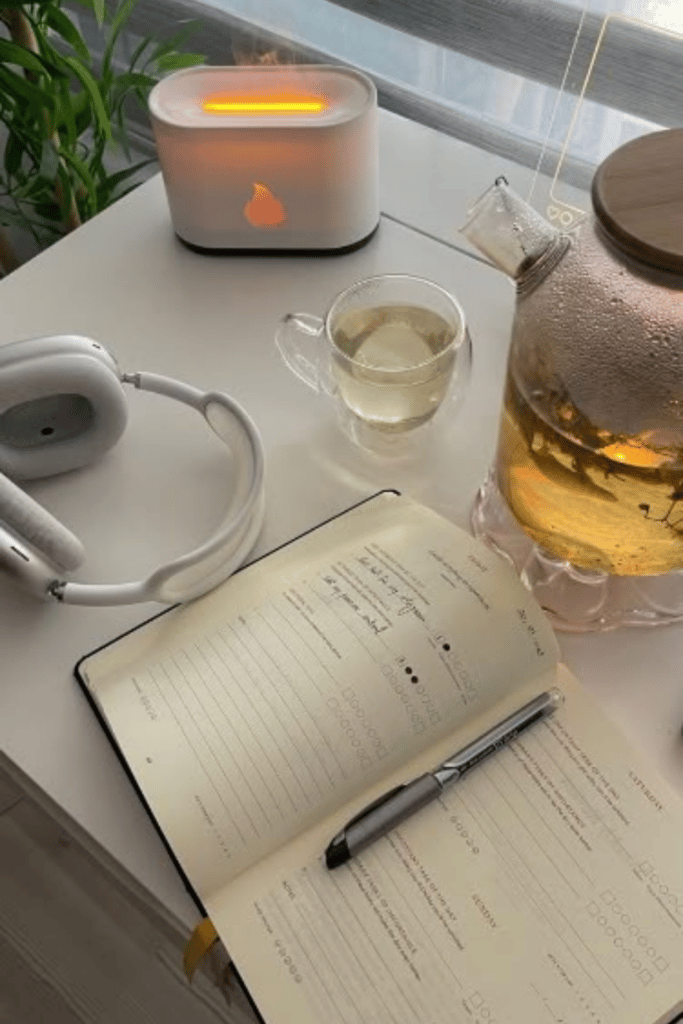
When everything feels chaotic inside your head, grounding questions can gently pull you back to reality. Sit somewhere quiet and ask yourself things like what am I avoiding, when did I start feeling this way, and what does my ideal day actually look like.
These are not comfortable questions, and the answers might not come immediately. But the act of asking them builds self-awareness, which is the essential first step toward moving forward. Think of it like untangling a knot, one strand at a time until something starts to give.
Recognizing that you have been avoiding a difficult conversation or realizing that this feeling started after a particular event can offer crucial clues about what needs your attention most.
Feel It Instead of Numbing It

Pretending everything is fine when it clearly is not is like putting a bandage over a leak and hoping for the best. Nobody enjoys feeling sad, frustrated, or confused, but suppressing those emotions only causes them to linger and grow messier over time.
Give yourself full permission to feel whatever is there. Cry, journal about your frustration, blast a melancholy playlist, or simply sit with the discomfort for a while. Suppressed emotions do not disappear just because you ignore them. They come back, often louder and at worse moments.
Once you have had your cathartic moment, treat yourself gently. A warm drink, a favorite comfort show, or a quiet evening can help you transition from processing to healing.
Zoom Out

When you are lost in the fog, everything can feel enormous and permanent. Your thoughts close in on you like you are staring at a zoomed-in section of a map with no context for the bigger picture. Taking a deliberate step back can change everything.
Ask yourself whether this particular situation will matter in five years. Consider what advice you would give a close friend who came to you with the same feelings. Shifting your perspective from first-person panic to third-person objectivity often reveals that things are less dire than they currently appear.
If you are struggling to gain that distance on your own, talk to someone you trust. They will almost certainly remind you that you are being harder on yourself than you need to be, and they will probably be right.
Limit Decision-Making

Feeling lost frequently comes hand-in-hand with decision fatigue, where even the smallest choices feel impossibly heavy. When your brain is already overloaded, every additional decision drains energy you do not have to spare.
Simplify wherever you can. Wear comfortable, go-to outfits. Eat simple, nourishing meals without overthinking recipes. Automate your daily routines as much as possible so that your remaining mental energy can go toward the things that actually matter.
When you remove unnecessary decisions from your plate, you create space to focus on the important work of figuring out your next step, or simply to rest without guilt until you are ready.
Get Off Social Media

Social media has a particular talent for making you feel like everyone else has their life figured out while you are the only one struggling. The truth, of course, is that you are seeing curated highlights and filtered moments, not reality. But knowing that intellectually does not stop the comparison from eroding your clarity.
Hit pause. Log out for a day, a week, or as long as you need. Use the time you would normally spend scrolling to do something grounding like journaling, walking, or simply being present with your own thoughts without external noise.
When you eventually return, you will likely do so with fresher eyes, a clearer head, and a much better sense of what actually matters to you versus what social media made you think should matter.
Try Something New
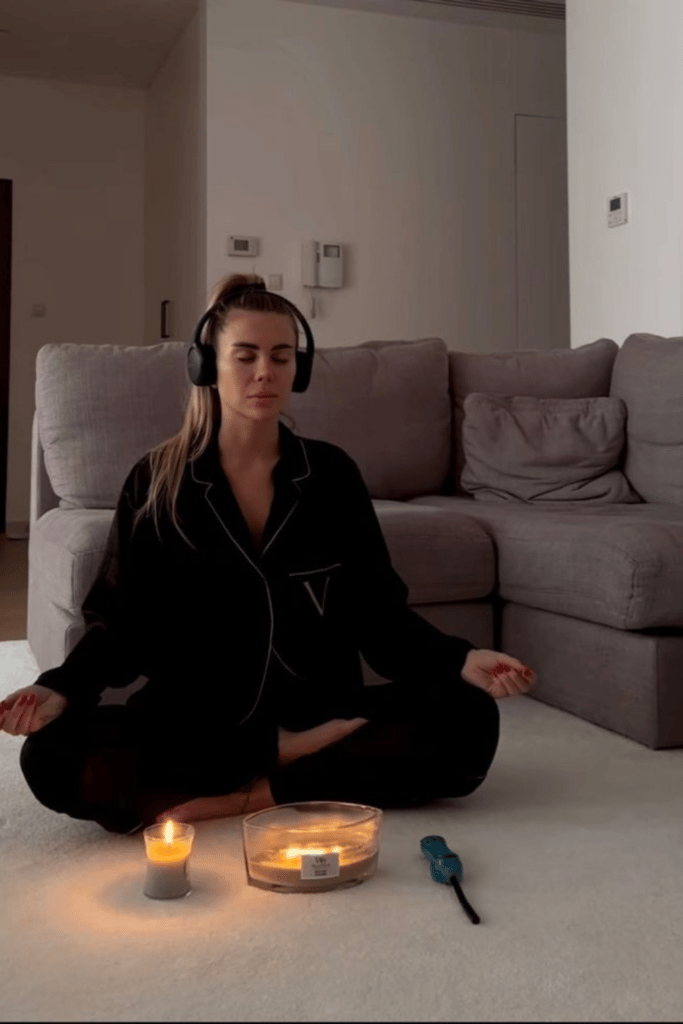
Feeling stuck often means you have fallen into a routine that no longer serves you. The antidote does not have to be dramatic or life-altering. Small changes can create surprisingly large ripple effects that shift your energy in unexpected directions.
Try a new recipe, sign up for a class you have been curious about, or take a completely unfamiliar route home. New experiences introduce fresh stimulation to your brain and can spark creativity, connections, or insights that your usual routine simply cannot provide.
The goal is not to reinvent your entire life overnight. It is to remind yourself that discovery still brings joy and that the world is bigger than the mental loop you have been stuck in.
Meditate Even for Five Minutes

Meditation does not require you to sit cross-legged in complete silence for an hour. Even five minutes of sitting quietly with your eyes closed, focusing on nothing but your breath moving in and out, can create a meaningful pause in the chaos.
When everything feels overwhelming, that tiny moment of stillness helps your brain slow down and reset. It is like pressing pause on a movie that has been running at double speed. The plot does not change, but suddenly you can actually follow what is happening.
If sitting in silence feels uncomfortable, guided meditation apps offer beginner-friendly sessions that walk you through the process step by step. No experience or special knowledge required, just a willingness to be still for a few minutes.
Journal Your Younger Self

When was the last time you checked in with the ten-year-old version of yourself? Grab a journal and write a letter to that younger you, or simply imagine them sitting across from you and having a conversation about what they dreamed of becoming.
There is something genuinely powerful about reconnecting with the kid you used to be. They might remind you of passions you have buried, boldness you have forgotten, or dreams you quietly abandoned along the way without ever making a conscious decision to do so.
You will also quickly discover whether you are making that younger version of yourself proud, or whether there are small adjustments you could make to get closer to the person they imagined you would become.
Practice Intuitive Living
We live in a world saturated with shoulds. You should be more productive. You should have this figured out by now. You should be further ahead. But what if you let go of all that pressure, even just for today, and asked yourself what actually feels right in this moment.
Maybe the answer is a nap. Maybe it is baking cookies, going for a drive, or calling a friend you have not spoken to in months. Intuitive living is about tuning into your own internal compass and following where it points, even when it seems illogical or unproductive.
Trusting that what feels genuinely good today can guide you closer to clarity tomorrow is a small act of faith in yourself, and those small acts add up over time.
Revisit Your Values
Feeling lost often happens when you realize you have been chasing someone else’s version of success without stopping to ask whether it actually aligns with what matters to you. Taking time to define and revisit your core values can dissolve that confusion faster than almost anything else.
Write down what genuinely matters to you. Freedom, creativity, health, connection, adventure, security, family. Then honestly assess how aligned your current life is with those values. The gap between what you value and how you are actually living is usually where the lost feeling lives.
Once you see that gap clearly, the path forward often becomes much more obvious than it seemed when everything felt like an indistinguishable fog.
Make a Lost List
Get specific about what is making you feel this way. Write down every single thing that is contributing to your sense of being lost, no matter how big or small. Financial stress, career uncertainty, feeling disconnected from friends, a relationship that is not working. Put it all on paper.
Then go through each item and ask yourself what one small action could ease this particular pressure. Financial stress might mean calling a friend who is good with budgeting. Career confusion might mean spending thirty minutes exploring online courses or job boards.
Naming your struggles takes away some of their power and transforms abstract overwhelm into concrete, actionable problems. That shift alone can make things feel significantly more manageable.
Talk It Out
Sometimes the most effective thing you can do is simply say out loud what you have been holding inside. Whether that means talking to a therapist, a trusted friend, a mentor, or even recording a voice note to yourself, speaking your thoughts externalizes them in a way that sitting silently with them never can.
There is a particular kind of clarity that comes from hearing your own thoughts spoken aloud. Patterns emerge, feelings crystallize, and solutions sometimes appear in the very act of articulating the problem for the first time.
If you are not ready to share with another person, journaling those thoughts is a powerful starting point that can prepare you for deeper conversations when the time feels right.
Volunteer or Help Someone
Feeling lost tends to pull your focus inward, which is natural but can also intensify the spiral. Shifting that focus outward, even briefly, can work wonders for your perspective and your sense of purpose in the world.
Volunteer at a local organization, help a friend with something they need, or simply do something kind for a stranger. The scale does not matter. What matters is the shift in attention from your own uncertainty to someone else’s needs.
Knowing that someone smiled today because of something you did creates a warmth that reconnects you with a sense of meaning, which is often exactly what feels missing when you are lost.
Embrace the Unknown
It is genuinely okay not to have all the answers right now. Feeling lost is often the messy middle chapter between who you were and who you are becoming, and resisting that uncertainty only makes the experience more painful than it needs to be.
Instead of fighting the discomfort of not knowing, try leaning into it. Trust that this unclear period is a legitimate and necessary part of your story. You do not have to see the entire path stretching out ahead of you to take one small step forward today.
Every great journey and every meaningful transformation started with someone standing exactly where you are right now, saying honestly, I have no idea what I am doing. And then they took a step anyway.
Take Micro-Steps
Forget the five-year plan for now. Instead, ask yourself what is one single thing you can do this week. Maybe it is taking a morning walk, signing up for a class that interests you, or reading a book about something you are curious about.
Micro-steps do not have to be perfect, and they do not have to change your entire life. What they do is build momentum, proving to your brain that forward movement is happening even when it feels like everything is standing still.
More importantly, they remind you that yes, you are making progress, even if it is measured in inches rather than miles. And sometimes, an inch is exactly what you need to start believing that the miles ahead are possible too.
Final Thoughts
Feeling lost is uncomfortable and sometimes frightening, but it is also one of the most human experiences there is. It often signals that you are outgrowing something, that a shift needs to happen, or that you are ready for a chapter you have not written yet. Be patient with yourself through the process.
You do not have to do all eighteen of these things at once. Pick one or two that resonate with where you are right now and start there. The clarity you are looking for is closer than it feels, and every small step you take is proof that you are already finding your way.