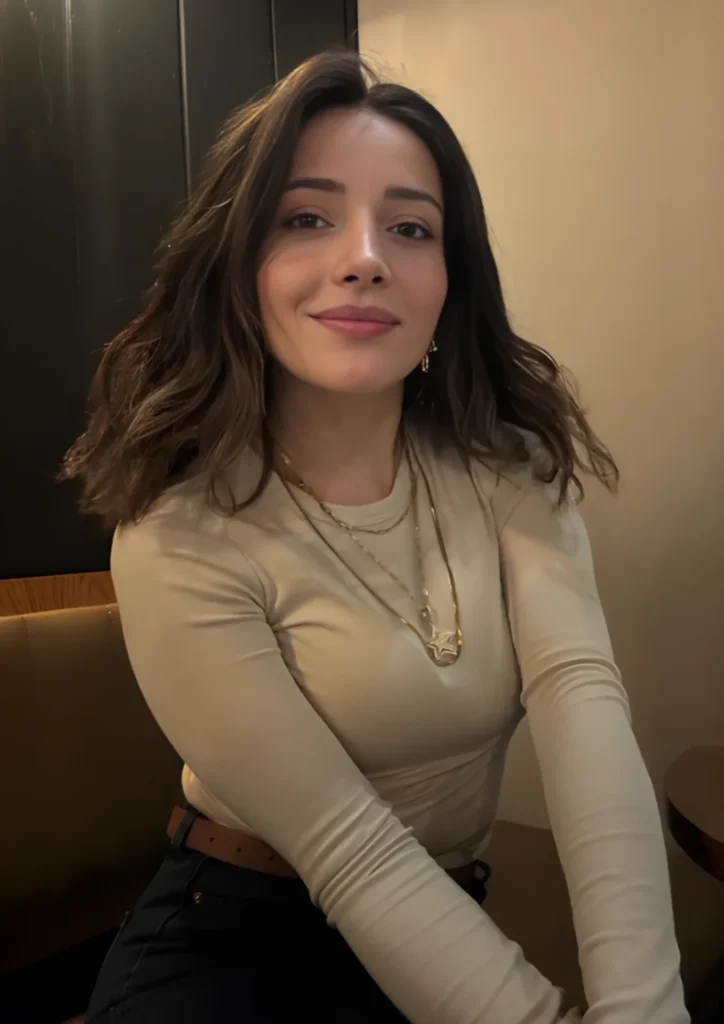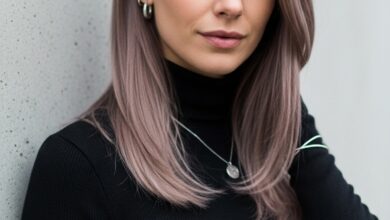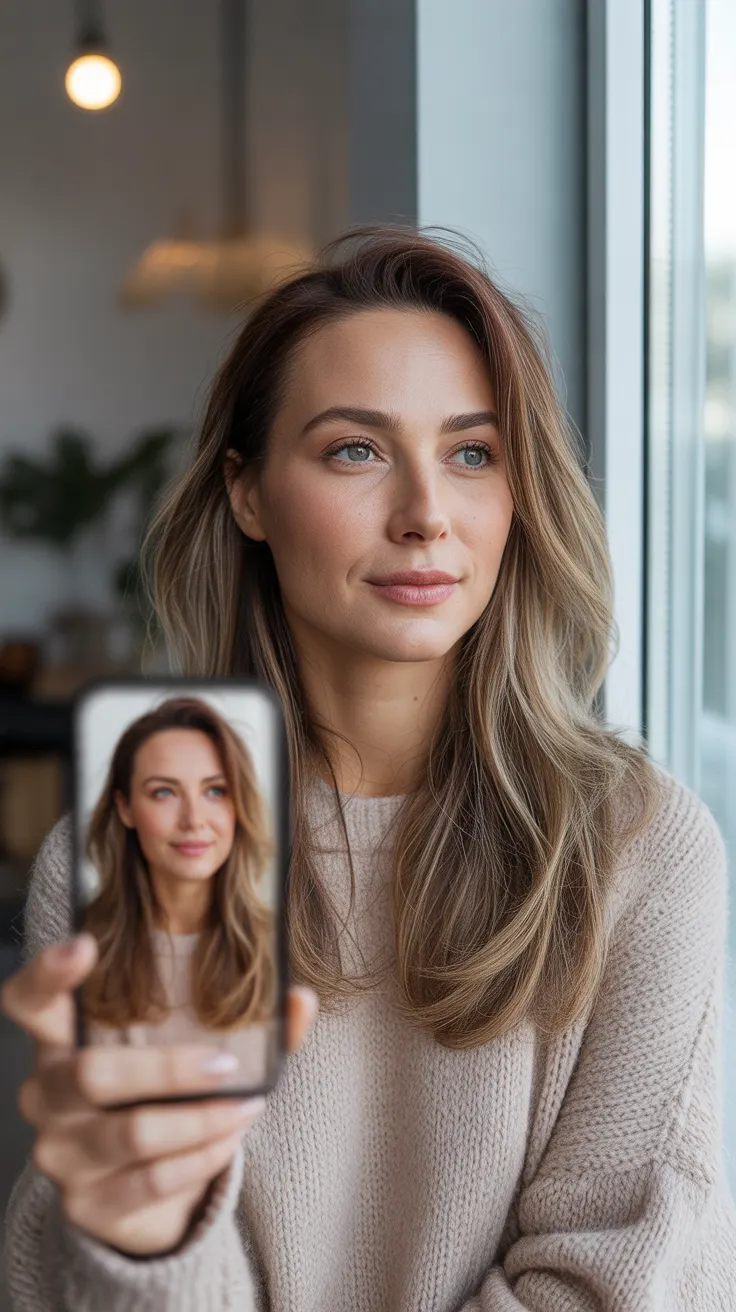
I was scrolling through my camera roll last October—looking for a photo to send my mom—when I stopped on a picture from my friend’s birthday dinner. The lighting was warm. My outfit was cute. But my hair looked… flat. Dull. Like it belonged on a completely different version of me, one who was ten years older and infinitely more tired. That single photo sent me down a rabbit hole of salon consultations, color swatches, and an embarrassing number of “hold this shade up to my face” selfies. What I learned along the way completely changed how I think about hair color to look younger, and I wish someone had told me all of this sooner.
So here’s the guide I needed. No fluff, no sponsored shade recs, no “just add highlights and you’ll glow.” Just the real, sometimes surprising truth about which colors actually take years off your face—and which ones are secretly adding them.
The One Rule That Changed Everything for Me
Before we get into specific shades, I need to share the single piece of advice that rewired my entire approach. My colorist in Brooklyn—her name is Sara, she’s brilliant and terrifyingly blunt—told me this: “Stop choosing hair color based on what looks pretty on Instagram. Choose it based on what makes your skin look alive.”
That hit me. Because I had been chasing shades I thought were gorgeous in general—cool ash blondes, inky espresso—without ever considering whether they were making my face look brighter or more washed out. The difference between hair colors that make you look younger and ones that quietly age you almost always comes down to how the shade interacts with your skin’s undertone. Warm skin with a cool ashy shade? You’ll look grayish. Cool skin with an overly brassy gold? You’ll look sallow. It’s not about light vs. dark. It’s about warmth, dimension, and where the color sits against your face.
Warm Shades That Genuinely Brighten Your Face
Okay so here’s the thing that surprised me most during my deep-dive: warmth is almost universally flattering when it comes to anti-aging hair color. I’m not talking about orange-warm or brass-warm. I mean honeyed, toasty, golden warmth that catches light and bounces it back toward your face.
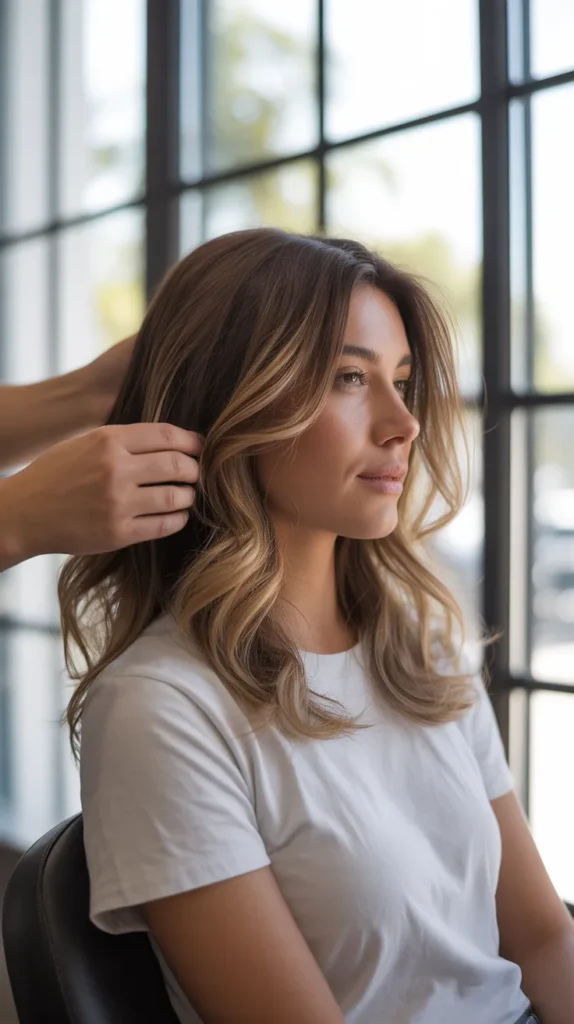
Caramel highlights on a brunette base are one of the most reliable youthful hair color ideas I’ve seen work across different skin tones. They break up a flat, single-process brown and create the illusion of movement and light—two things that your hair naturally had more of when you were twenty. I got caramel face-framing pieces last November and my coworker genuinely asked if I’d been on vacation. I hadn’t. I’d been eating soup on my couch all week.
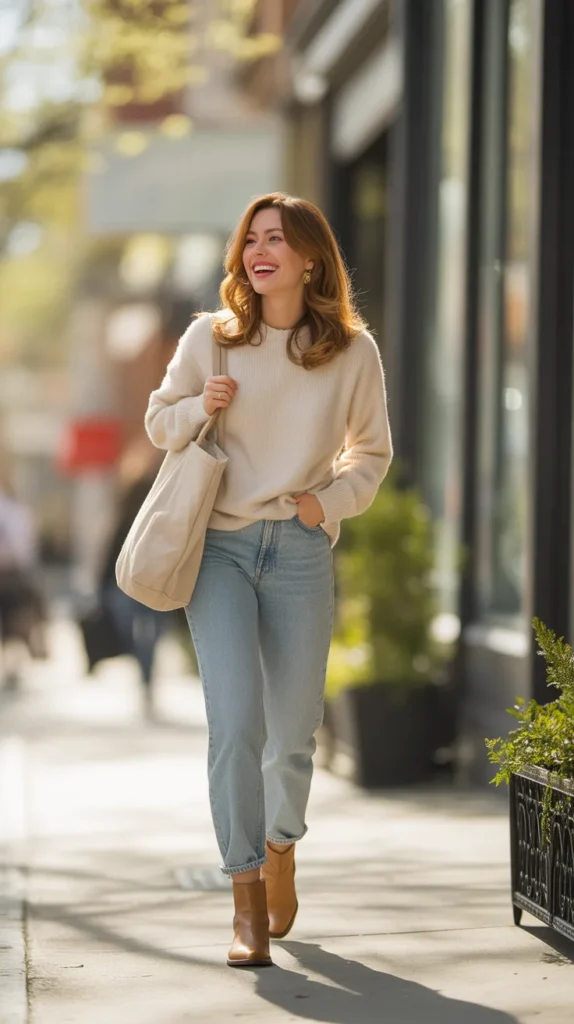
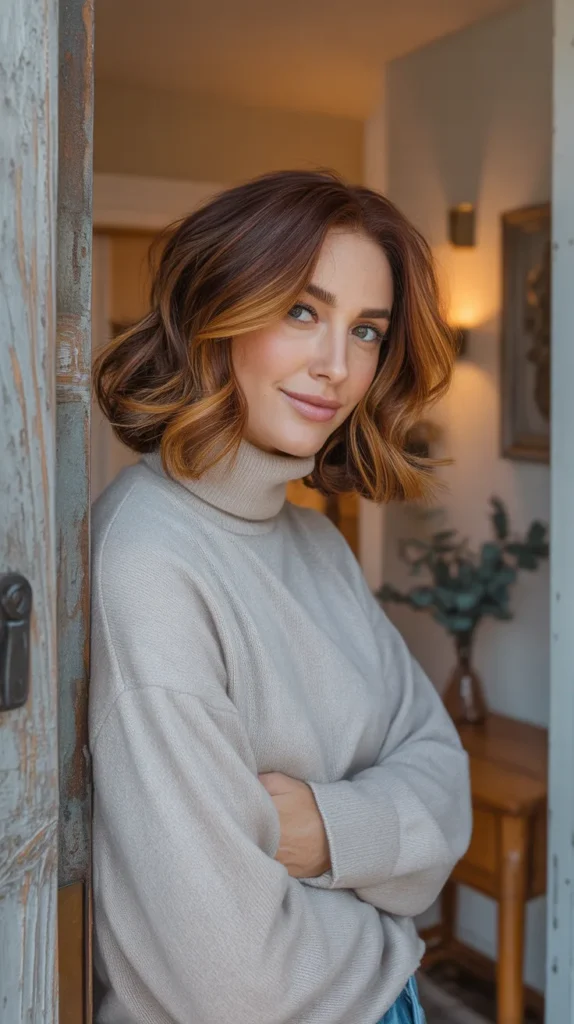
Honey blonde is another shade that just works. It’s softer than platinum, less stark than bleach-blonde, and it has this warm, lit-from-within quality that smooths out the look of fine lines. Teak is one of the biggest shades for 2026—a golden-brown base with honey-amber reflection—and it’s essentially the perfect middle ground if you want warmth without going full blonde. Think of it as the color your hair would be if you lived in permanent golden-hour lighting.
See More: Low Maintenance Short Hair with Bangs: An Honest Guide
Why Going Darker Isn’t Always the Answer
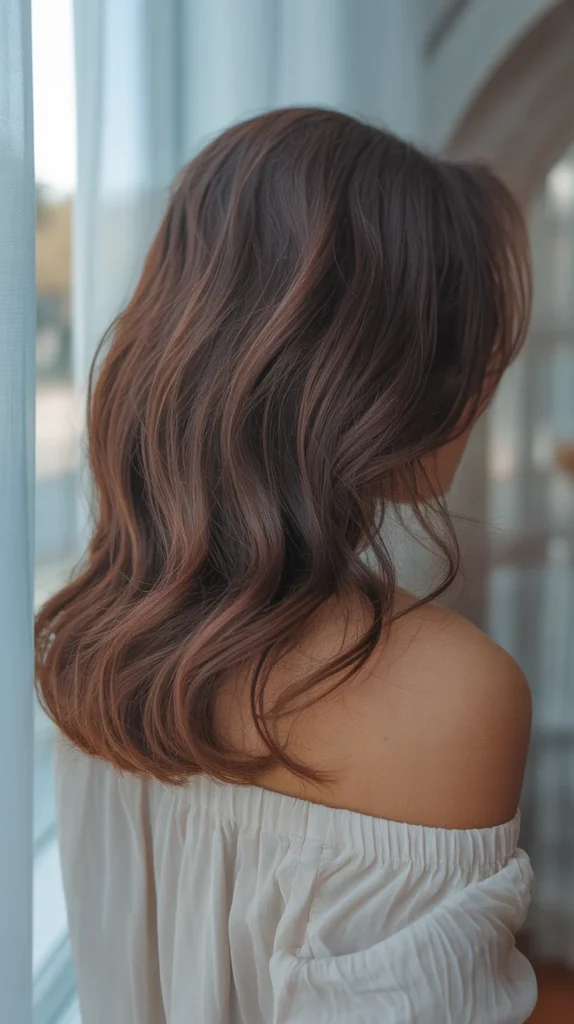
I used to think that darkening my hair was the safe, sophisticated route. Rich brunette equals timeless, right? Not always. Here’s something nobody talks about: a flat, uniform dark color with no dimension can actually cast shadows on your face and emphasize every line, every under-eye circle, every area where your skin has lost some bounce.
This was a hard lesson. Two winters ago, I went with a deep espresso single-process because I wanted that sleek editorial vibe. And in photos, I loved it. But in real life—in the fluorescent lights of my office, in my bathroom mirror at 7 a.m.—it made me look exhausted. My colorist explained that jet black or flat dark brown absorbs light instead of reflecting it. If you love being a brunette (I do), the key is choosing a shade that has some internal warmth or dimension. Multidimensional brunette is a major 2026 trend for exactly this reason: it starts with a deep base but weaves in lighter, warmer brunette tones that prevent that flat, aging effect. Think of it as the difference between a matte wall and one with a subtle sheen.
The Blonde Shades That Actually Work (And the Ones That Don’t)
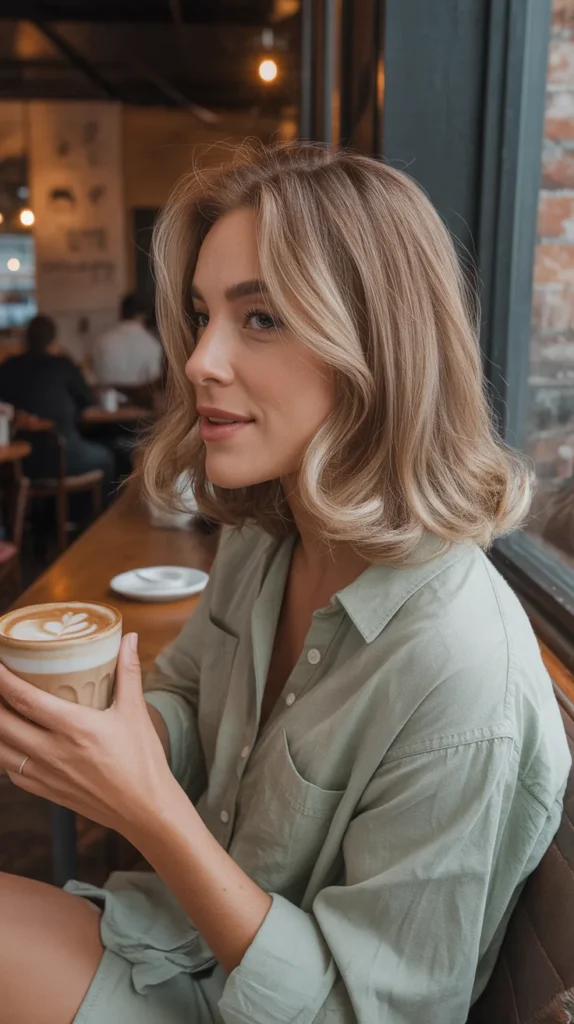
Can we talk about blonde for a second? Because I feel like every “look younger” article just says “go lighter” as if that’s a complete sentence. Going lighter can absolutely be one of the best hair color choices for your age—but only if you go the right lighter.
Icy platinum, for example, is stunning on some people. But if your skin has any warmth at all, that ultra-cool silver-blonde can make you look washed out rather than youthful. Butter blonde and soft apricot blonde are the 2026 shades I’m watching because they have that glow—almost like your hair has been dipped in warm candlelight rather than fluorescent office lighting.
I tried a champagne blonde balayage about eight months ago, and I genuinely felt like I looked three years younger. It wasn’t dramatic. Nobody asked me if I’d “done something.” But I looked at photos from that month and my face just looked… fresher. More awake. That’s what the right blonde does—it’s not screaming for attention, it’s quietly doing its job.
If you’re a natural brunette considering blonde, my one piece of real talk: the maintenance is no joke. I was touching up roots every five to six weeks and spending money on purple shampoo like it was a subscription service. Know what you’re signing up for before you commit. Cashmere brunette—a dark base with very fine, subtle blonde wisps—might give you the brightening effect without the full-time job.
Red and Copper: The Underrated Anti-Aging Hair Color
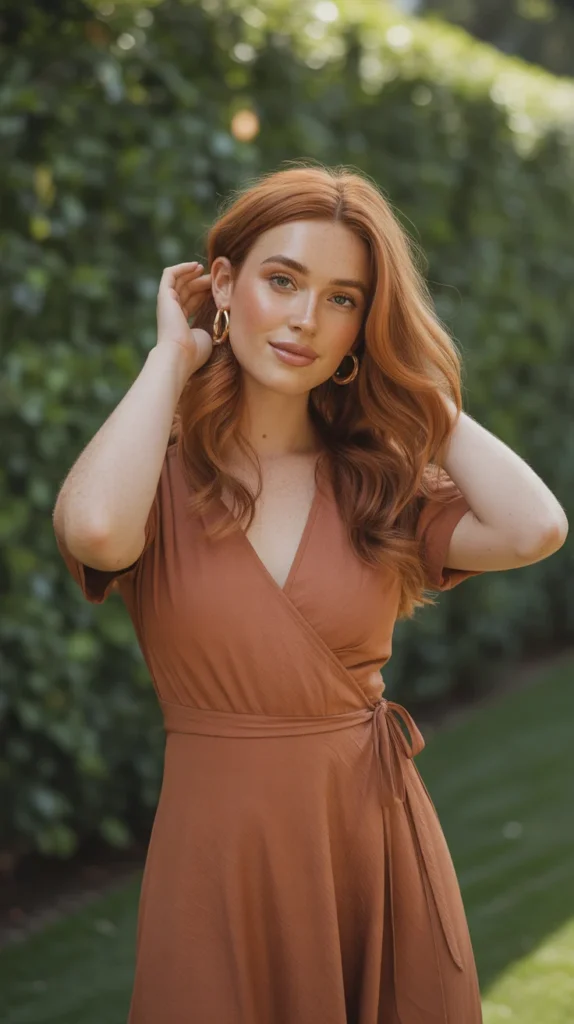
Now this next one surprised me. I always thought red hair was bold and editorial—something that required a certain confidence and a very specific skin tone. But soft copper and warm auburn are having a genuine moment in 2026, and colorists keep saying the same thing: these shades make skin glow.
Burnt sienna, strawberry blonde, carnelian orange—these aren’t the fire-engine reds of decades past. They’re nuanced. They catch light in a way that mimics what a warm blush does for your cheeks. My friend Leah switched from her lifelong ash brown to a warm copper balayage last summer, and I’m not exaggerating when I say she looked like a different person. Not different-bad, different-alive. Her eyes looked brighter. Her skin looked warmer. She got carded at a restaurant and almost cried happy tears in the parking lot.
If you’ve always been curious about red but felt intimidated, a soft copper gloss over your existing brunette base is the lowest-risk entry point. It adds warmth and vibrancy without the full commitment, and it washes out gradually rather than leaving you with a harsh grow-out line.
See More: Spring Haircuts I’m Actually Asking For in 2026 (Medium Length)
Hair Color Mistakes That Age You (The Ones Nobody Warns You About)
Alright, let’s get into some real talk. These are the hair color mistakes that age you that I see constantly—and that I’ve made myself.
Going too uniform. A single, flat, all-over color with no variation looks artificial. Real hair—young hair—has natural dimension. Subtle shifts in tone, lighter pieces around the face, darker roots. When you eliminate all of that, you get a helmet effect. It doesn’t matter if the shade itself is beautiful; if there’s no movement, it reads as older.
Matching your hair to your eyebrows exactly. This sounds counterintuitive, but when your brows and hair are the exact same shade, it can flatten your whole face. A slight contrast—lighter hair, slightly darker brows, or vice versa—creates definition and draws attention to your eyes.
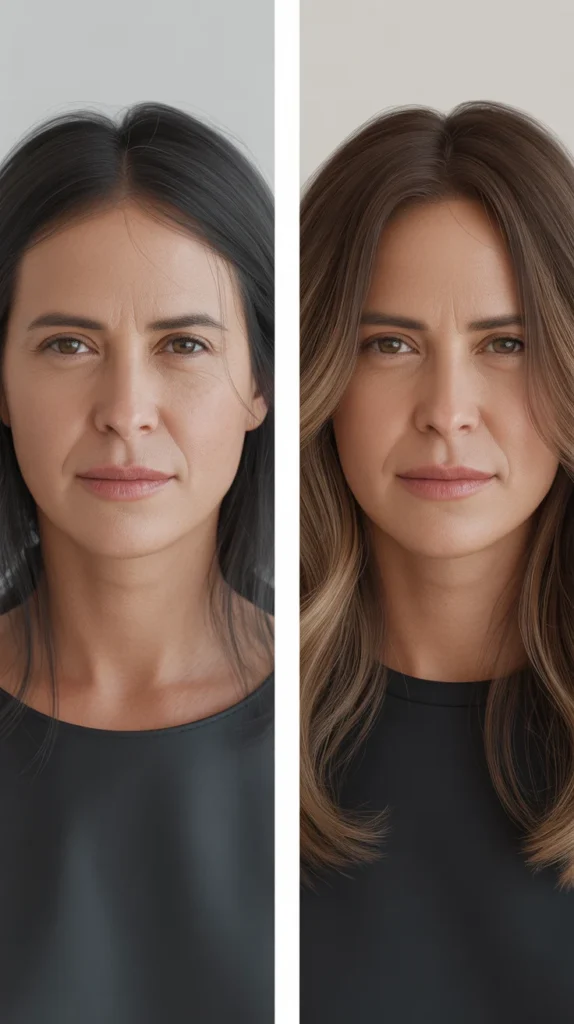
Ignoring your gray pattern. If you’re covering grays, ask your colorist to work with where your grays are growing in, not just paint over them. Strategic placement of lighter pieces where your grays concentrate creates a natural, blended look rather than that telltale line of demarcation at two weeks post-color. The grungy, grown-out color trend of 2026 actually leans into this beautifully—it embraces visible roots and natural regrowth as a style choice rather than a flaw.
Over-processing to get a trendy shade. I know those blanche-blonde Instagram photos are calling your name. But if getting there requires four rounds of bleach and your hair feels like straw afterward, the damage itself will age you more than the color brightens you. Healthy, shiny hair in a “less perfect” shade will always look younger than fried hair in a Pinterest-perfect tone.
How to Talk to Your Colorist (What to Actually Say)
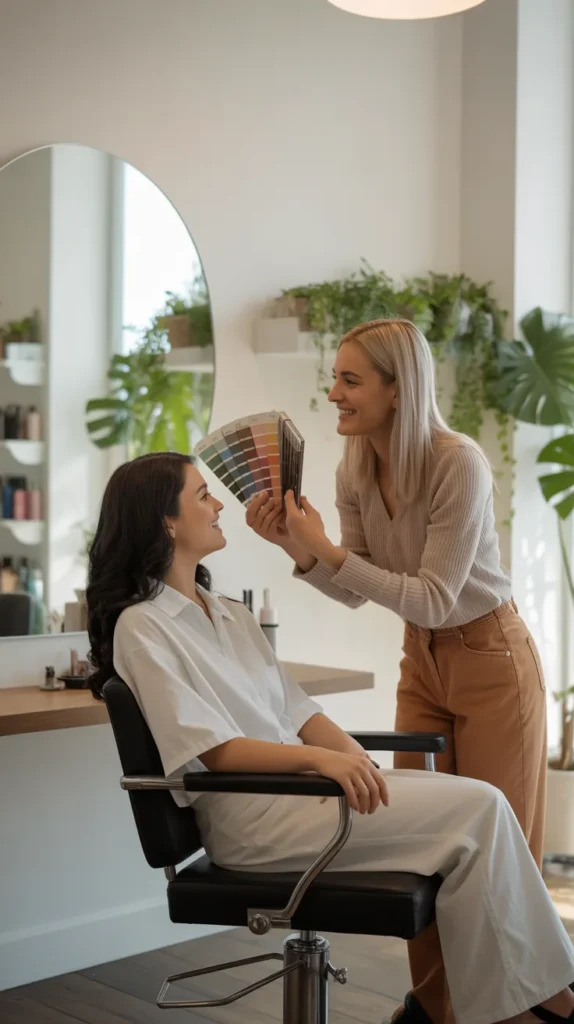
One of the best things I did during my color journey was learning how to communicate with my stylist beyond just showing her a photo and saying “this one.” Photos are helpful, but they can also be misleading—different lighting, different skin tones, different base colors all change the result.
Instead, try telling your colorist what effect you want. “I want my face to look brighter” is more useful than “I want honey blonde.” “I want dimension but low maintenance” is more useful than showing a photo of someone with salon-fresh balayage and expecting it to look that way at week six. Ask about your undertone. Ask what happens as it grows out. Ask how the shade will look under indoor lighting, not just in the golden-hour selfie you’re imagining.
I also learned to say, “What do you think would actually suit me?”—and then really listen. My colorist steered me away from a shade I was dead-set on (a cool mocha) and toward something warmer. I was annoyed at first. Then I saw the result, and I understood. Sometimes the best hair color for your age isn’t the one you think you want. It’s the one a professional can see will actually harmonize with your face.
The 2026 Shades I’m Personally Eyeing
I try to update my color at least twice a year—once in late winter and once in early fall—and right now, for 2026, I’m honestly torn between two directions.
The first is teak. That golden-brown-with-amber glow that Allure’s colorists have been raving about. It feels like the perfect evolution of my current warm brunette, and I love that it’s basically “golden hour in hair form.” It’s dimensional without being high-contrast, warm without being brassy, and it photographs like a dream. For someone like me who wants youthful hair color ideas that still feel grounded and natural, teak checks every box.
The second option pulling at me is soft apricot blonde. It’s warmer and brighter than anything I’ve tried, and there’s a small, terrified part of me that thinks it might be the best thing I’ve ever done—or a total disaster. My colorist says we could ease into it with a gloss first to test the tone. That feels like the smart move. I’ll probably chicken out and go teak. But if I’m feeling brave after a glass of wine at my next appointment? Apricot blonde, here I come.
See More: Bob Haircuts for Spring 2026: An Honest Style Guide
What About Gray? The Conversation We Should Be Having
I almost didn’t include this section because it felt like it might derail the rest of the article. But then I thought about it and realized: any honest guide about hair color to look younger in 2026 needs to address the fact that many women in their 30s and early 40s are actively choosing to embrace some gray—and they look incredible doing it.
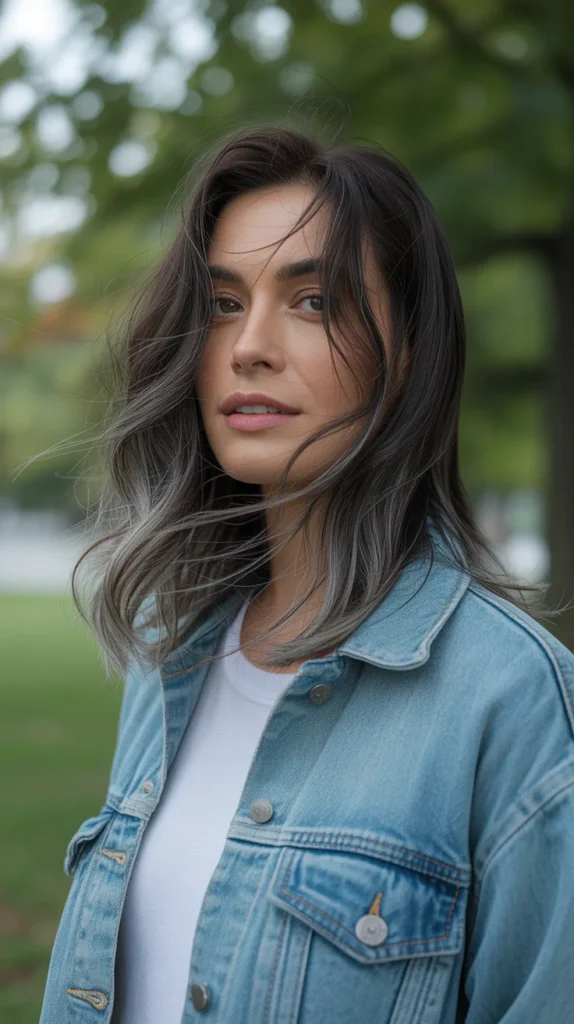
Cool gray was named one of the most flattering “younger-looking” shades by multiple publications last year, and the grown-out, grunge-inspired color trend that’s dominating 2026 runways celebrates visible roots and natural silver rather than hiding it. Blending your gray with strategic highlights rather than covering it completely can actually create the kind of natural dimension I’ve been talking about this whole article. And there’s something undeniably youthful about confidence—about a woman who looks at her hair and says “this is me, and I look great.”
I’m not fully gray yet. I have a few strands around my temples that catch the light in a way I’ve started to kind of love. Whether you cover, blend, or flaunt your grays is deeply personal, and none of those choices is wrong. The only wrong move is doing something with your hair that makes you feel less like yourself.
Final Thoughts
Here’s my last reflection, and I mean it. The best hair color to look younger is the one that makes you catch your own eye in a mirror and think, “Oh, there I am.” Not a shinier, filtered, Instagram version of you. Just you—but with hair that makes your skin glow a little brighter, your eyes pop a little more, and your whole face feel a little more awake.
I’ve spent too many years and too many salon appointments chasing shades that looked beautiful on other people. The moment I started choosing color based on what my skin actually needed—warmth, dimension, softness—everything shifted. I stopped looking older in photos. I stopped feeling like my hair was fighting my face. And honestly? I started getting compliments again, the kind that aren’t about your hair specifically but about you as a whole. “You look great” is better than “cute color” every single time.
Whatever shade you’re considering, bring your questions to a colorist you trust, be honest about your maintenance tolerance, and remember that healthy hair in a thoughtful shade will always beat damaged hair in a trendy one. Now go book that appointment. You deserve hair that makes you feel like the best version of yourself, not someone else entirely.